Table of Contents
What Is Holistic Medicine
History And Development
How It Works
Benefits
Holistic Treatment Modalities
The American Holistic Medical Association
Principles And Ideology
The Holistic Approach Beyond Illness
What Is A Holistic Practitioner?
What Type Of Doctors Practice Holism
What Holistic Practitioners Do
When To See A Holistic Practitioner
What To Look For In A Holistic Practitioner
Locating A Practitioner
Holistic Versus Alternative and Complementary Care
The Basics
Holistic Medicine
Alternative Medicine
Complementary Medicine
Summary
Statistics
What Is Integrative Medicine
Treatment Approach
Every Day Uses
What Is Homeopathy
Principles of Homeopathy
Remedies
Statistics Of Use
Specific Uses
Precautions
Therapies Used In Holistic Care
Acupuncture And Chinese Medicine
How It Works
View Of Acupuncture By Western Medicine
Uses
Criticism
Safety
Acupressure
Benefits
Uses
Safety
Tai Chi
Uses
Benefits
Safety
Medical Qi Gong
What Is It?
Uses
Who Can Perform Medical Qigong?
Safety
Herbal Medicine/Herbalism
From Ancient To Modern Times
Benefits
Uses
Safety
Reiki
How It Works
Uses And Benefits
Reflexology
What Is Reflexology
How It Works
Uses And Benefits
Practitioners Of Reflexology
Safety
Hypnosis
What Is Hypnosis
How It Works
Uses And Benefits
Hypnosis Practitioners
Safety
Hydrotherapy
How it Works
Uses And Benefits
Safety
Chiropractic Treatment
History
Spinal Manipulation
Education Required To Become A Chiropractor
Treatment Methods
The Need For A Chiropractor
Consulting With A Chiropractor
Aromatherapy
How It Works
Uses And Benefits
Aromatherapy Specialists
Safety
Yoga and Meditation
How It Works
Uses And Benefits
Meditation
Guided Imagery And Visualization
How It Works
Uses And Benefits
Safety
Alternative Therapies for Mental Health
Exercise
Dietary Supplements
Relaxation Techniques
Yoga and Eating Disorders
Alternative Mental Health Professionals
Holistic Medicine For Children
How It Works
Uses And Benefits
Holistic Pediatric Practitioners
Summary
Disclaimer: This information is not intended as medical advice. You should always seek the advice of a licensed medical doctor for any medical issues or problems that you may have.
Please be advised that the information included in this publication is for informational purposes only!
What Is Holistic Medicine
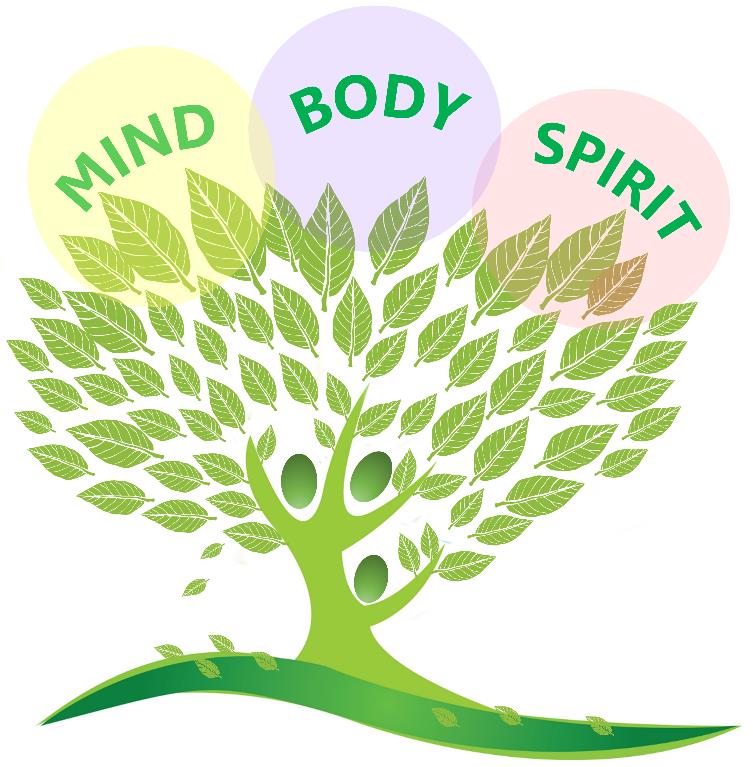
Holistic medicine does not just focus on the disease, injury, ailment, or overall problem, but instead focuses on the person as a whole—mind, body, and soul.
Holistic treatment is a form of healing that takes the entire person into account.
The idea that all the elements of a human being must be considered in order to promote optimal health and wellness comes from holism. Holism is a philosophy that promotes the primary goal of ultimate health and wellness. Working in unison with conventional medicine, holistic treatment is designed to incorporate various forms of “alternative therapies” to reach its aims.
Holistic treatment is a medical treatment option that promotes healing by treating the entirety of the person based on the principal that when one part of the person is ignored or out of balance, it causes the entire system to become imbalanced.
If treatment is only given to one part, the patient cannot really experience full healing because other aspects of their being are being ignored.
Holistic treatment has a few main principles that make up the philosophy behind it, including:
➢ Achieving Optimal Health: This is the main goal of holistic treatment. Optimal health, or when the person is doing well mentally, physically, and spiritually is the epitome of a successful holistic treatment.
➢ Love: Holistic practitioners believe that love has monumental healing powers that can be used to help patients fight disease. Health care providers who practice holistic treatments focus on interacting with their patients in a way that promotes kindness, grace, unconditional acceptance, and abounding spirit. They believe that love, like laughter, is one of life’s most potent healers.
➢ Relationships: In modern medicine, it’s easy for a patient to become another number or a statistic. Holistic treatment strives to treat every patient as the unique individuals they are in order create close relationships. Holistic care practitioners believe that this deep patient-doctor relationship will allow patients to have a hand in their treatment.
“The doctor of the future will give no medicine, but will instruct his patient in the care of the human frame, in diet, and in the cause and prevention of disease.” ~ Thomas Edison, 1902
History and Development
Healing traditions that date back as far as 5,000 years and originating from India and China centered on the concept of living in harmony with nature.
The philosopher Socrates in all his wisdom, stated, “for the part can never be well unless the whole is well.”
The term “holism” was first coined by Jan Christian Smuts in 1926 to describe a “whole that is greater than the sum of their parts.” But, the term holistic did not reach modern vocabulary until the 1970s.
With the advent and great advances in modern Western medicine the holistic approach took a backseat as people’s excitement over medical fixes grew. But, once it became evident that modern medicine could not cure everything, and that certain chronic conditions did not respond to conventional treatments and that some treatments may actually cause more harm than good, the holistic approach was revived.
The holistic approach as it applies to curing and treating various diseases and conditions became a much more attractive option, but, it goes even further.
Today, a holistic health lifestyle meets the growing demands of those looking to reach a maximum level of vitality, well-being and general health.
How It Works
Holistic treatment is used to explore the entirety of the person to find potential underlying problems of their disease or affliction and to then address those as applicable in the treatment plan.
When a patient walks into a holistic practitioner’s office, they will receive a complete evaluation, including, an in depth look into their history, lifestyle, thoughts, and feelings and be given treatment options based on who they are as a person.
Holistic doctors also work to help their patients help themselves. They do this through a few different options such as:
➢ Patient education for lifestyle changes and self-care
➢ Different therapies and treatments
➢ Medications, surgeries, and other procedures
➢ Exercise and diet change
➢ Spiritual counseling
➢ Mental health, and relationship counseling
Each of these options is used to explore the inner corners of the patient’s life in order to rule out other causes and underlying problems. It’s all part of the unique holistic treatment.
Benefits
The main benefits patients can receive from undergoing holistic treatment include the following:
➢ A direct hand in their treatment so that they are included and consulted every step of the way.
➢ Alternative medications and treatments that are effective, but also gentle, non-invasive, natural and ensure the lowest possible risk of harm.
➢ Being seen as a person and not a disease.
In short, holistic treatment comes with the benefits of complete health and wellness through a variety of treatment options that best suit the patient.
These are designed to address and heal the whole person by including their mind, body and spirit in all treatment options and plans.
“The body is one integrated system, not a collection of organs divided up by medical specialties. The medicine of the future connects everything.” ~ Dr. Mark Hyman, M.D.
Holistic Treatment Modalities
The National Center for Complementary and Alternative Medicine (NCCAM) divides holistic medicine into 4 modalities, which, are specific approaches or methods for healing. Here are a just a few examples within each modality.
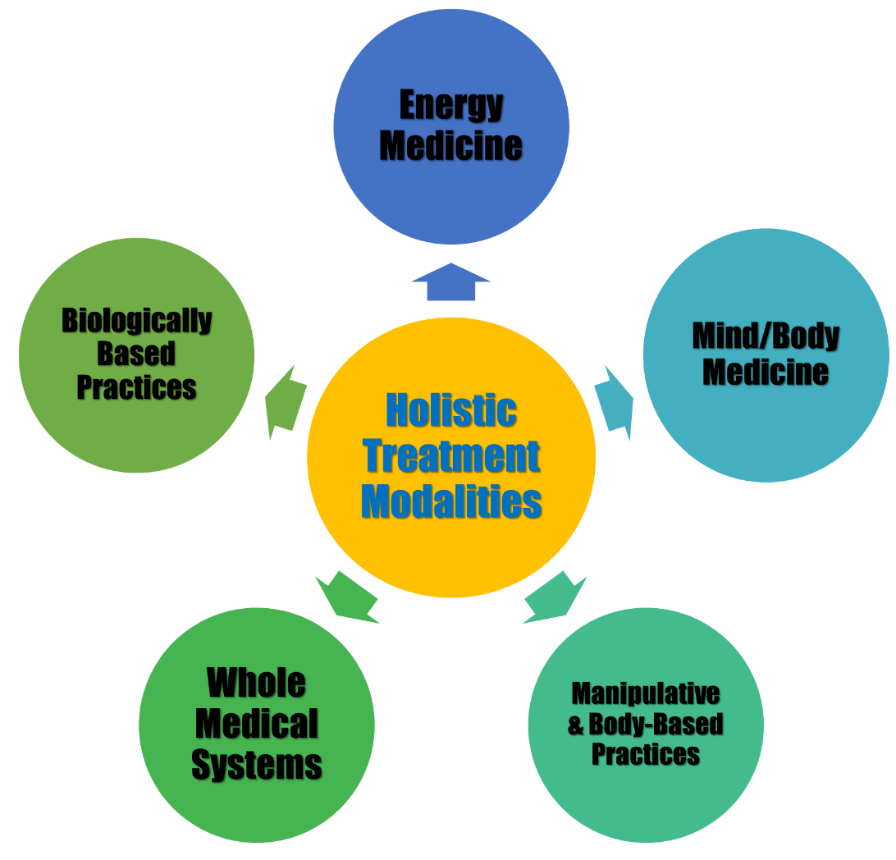
1. Whole Medical Systems:
▪ Ancient healing systems
▪ Homeopathy
▪ Naturopathy
▪ Osteopathic Medicine
2. Manipulative And Body Based Practices
▪ Acupressure
▪ Acupuncture
▪ AMMA Therapy
▪ Aromatherapy
▪ Body Work
▪ Massage
▪ Breema Bodywork
▪ Qi Gong
3. Mind Body Medicine
▪ Art Therapy
▪ Color Therapy
▪ Counseling/Psychotherapy
▪ Eye Movement Desensitization and Reprocessing (EMDR)
▪ Guided Imagery
▪ Hypnotherapy
▪ Interactive Imagery
▪ Meditation
▪ Neuro-Linguistic Programming (NLP)
▪ Stress Management
▪ T’ai Chi (Chuan)
▪ Yoga
4. Biologically based practices
▪ Biofeedback
▪ Herbal Therapy
▪ Hydrotherapy
▪ Nutritional Counseling
5. Energy Medicine
▪ Chi Kung Healing Touch
▪ Energy Work
▪ Healing Touch
▪ Magnetic Therapy
▪ Prayer
▪ Reiki
▪ Therapeutic Touch
▪ Touch for Health
The American Holistic Medical Association
The American Holistic Medical Association is a nonprofit organization that was founded in July, 1978 and deals with all aspects of holistic care. The organization is comprised of holistic practitioners, leaders in the field, authors and supporters.
They provide support to the public in regards to holistic treatment and collaborate with various medical professionals and entities in a continuing effort to transform and improve health care.
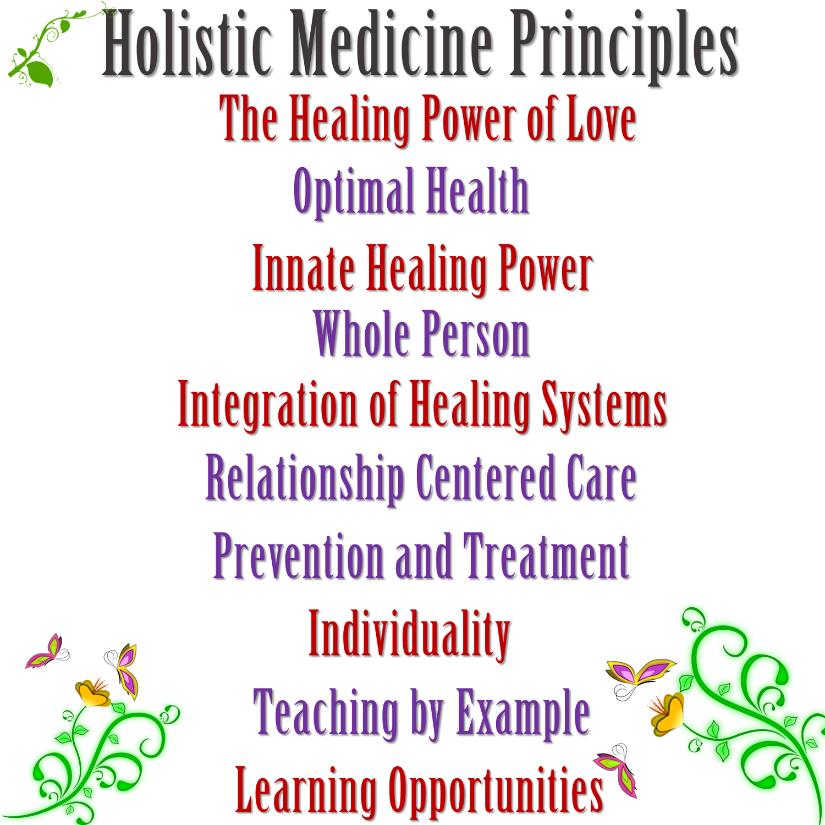
“Consider that people are like tea bags. They don’t know their own strength until they get into hot water. ~ Dan McKinnon Here are the 10 principles of Holistic Medicine as set forth by the American Holistic Medicine Association.
Principles And Ideology
1. Optimal Health is always the first and main goal of the holistic medical practice. This means that the overall well-being and balance of the person, including, physical, environmental, social, mental, emotional, and spiritual must be addressed and healed, regardless of whether or not there is a presence of disease.
2. The Healing Power of Love. One of the hallmarks of holistic care is to treat all patients with kindness, acceptance, and love.
3. Whole Person. The patient is always viewed as a whole person, and so assessment and treatment plans are based on all aspects of who they are, and the general unity of body, mind, spirit and the environment in which they reside.
4. Prevention and Treatment. As opposed to the traditional medicine mentality of treating and addressing symptoms, holistic health care practitioners take the approach of promoting well-being, and disease prevention through awareness. By addressing symptoms along with various contributing factors they strive to enhance all aspects of patient’s lives for optimal well-being.
5. Innate Healing Power. The holistic model believes that all people have innate healing powers, and so it strives to allow people to get in touch with those and utilize them in the healing process.
6. Integration of Healing Systems. Holistic health care practitioners include all types of treatment methods in their care plans. They embrace all options viable as they pertain to the patient, and use those in diagnosis and treatment. These include, uses of various alternative therapies, complementary treatments and conventional methods, such as, medication and surgery.
7. Relationship Centered Care. As opposed to what you will likely find at your MD’s office, the relationship between a holistic practitioner and their patient is based on open communication, patient autonomy, and a general respect for and value of the insights provided by both the practitioner and the patient. This type of quality relationship is at the center of the effectiveness of holistic treatment.
8. Individuality. All patients are unique individuals and in holistic health care, as opposed to conventional medicine, the particular needs and circumstances of the individual are addressed rather than the particular illness they suffer from.
9. Teaching by Example. Holistic health care practitioners must strive to incorporate all the principles of holistic health into their own lives.
10. Learning Opportunities. Holistic philosophy believes that every single life experience is an opportunity to learn, and this applies to both the patient and the practitioner.
The Holistic Approach Beyond Illness
As you can see holistic medicine goes well beyond treating someone with an illness, be it chronic, terminal or otherwise.
In fact, many people without a particular disease or illness seek out the services of holistic practitioners to simply improve their overall vitality and well-being.
What Is A Holistic Practitioner?
Those who believe in the holistic approach to health believe that the entire body must be functioning in the best possible way. This includes the mind, body, and spirit.
They believe that if any of these areas are not working properly it will affect the rest of the body. So, a holistic practitioner addresses the wellness of the entire body instead of focusing on one specific part of the body or illness like traditional medicine practices do.
Holistic Practitioners must be board certified to practice, must attend an accredited college, and many are required to maintain continued education credit hours each year.
What Type Of Doctors Practice Holism
There are many different doctors and specialists that practice holism, here are a few examples.
• Holistic Practitioners (MD)
• Chiropractors
• Naturopathic physicians
• Energy healing specialists
• Mental health professionals
• Nutritionists
• Registered Nurses
• Acupuncturists
• Pediatricians
• Herbalists
• And more
What Holistic Practitioners Do
➢ A holistic practitioner focuses on the entire person instead of focusing on the symptoms a person is experiencing. Doing this helps them to promote the overall well-being of the patient instead of simply treating symptoms.
➢ They teach their clients how to live a healthy lifestyle while using herbs, aromatherapy, nutrition, exercise and various other methods.
➢ Holistic practitioner’s help their clients understand the balance that is needed in life in order to maintain proper health and helps them reach and sustain that balance.
➢ They also understand that the client may need to be treated by conventional medication and refer them to appropriate doctors when needed.
When To See A Holistic Practitioner
You should see a holistic practitioner if you want to create a healthier lifestyle that will bring balance to your mind, body, and spirit. You should also see holistic MD doctor if you want a holistic approach to treat a condition or disease you may have.
What To Look For In A Holistic Practitioner
When you are looking for a holistic practitioner there are a few things you need to ask before you make your decision.
1. What are the practitioner’s credentials? You want to make sure the practitioner holds a license in the state that they are practicing in and has had at least 2-3 years of clinical training.
2. How does the practitioner determine which treatments will be used for each patient? You want to ensure that you are not going to see a practitioner who treats each patient with the same treatment, but, looks at each patient separately to determine which treatments would benefit them most.
3. You need to look at the physical appearance of the practitioner. If they look sickly, over or underweight, or just look unhealthy it is best that you continue your search. It is critical that the practitioner practices the craft in their own lives, otherwise they cannot be an effective guide.
4. Evaluate The First Meeting.
▪ Did you feel heard, respected and attended to in the first appointment?
▪ Was it rushed?
▪ Did you feel a connection with the practitioner?
▪ Did you feel that you can talk freely about your concerns and needs?
If not, keep looking.
Locating A Practitioner
You can search the American Holistic Medical Association website by zip code to find qualified holistic professionals,
http://www.holisticmedicine.org/AF_provider.asp?version=1.
Holistic Versus Alternative and Complementary Care
Patients have choices in how they manage their health care, and these are:
✓ Holistic
✓ Alternative
✓ Complementary
The one thing holistic, alternative and complementary medicine share in common is that they are all options to simply using only conventional medicine and treatments.
While these terms are often used interchangeably, they are quite different.
The Basics
Complementary and alternative medicines have more similarities with one another than with holistic medicine. This is because holistic medicine refers to a treatment system that encompasses various modalities that address the entire person, body, mind and soul with methods that are not typically a part of conventional medicines.
One of the main differences between these three types of medicines is the philosophies behind them.
Holistic Care
Holism is grounded in complete healing of the individual on all levels rather than the incremental treatment of symptoms of some type of illness or disease as seen in conventional modern medicine.
Alternative medicine rejects conventional medical treatment altogether.
Complementary medicine works together with conventional treatment.
Holistic Medicine
Holistic medicine branches from the holism philosophy which promotes the belief of treating, and therefore healing the whole person. A large part of holism focuses on the idea that in order to accomplish full healing, these three parts of a human being must be treated in unison.
It is thought that if one or more parts is ignored, it can throw the person and their entire system off balance, thus making full healing impossible.
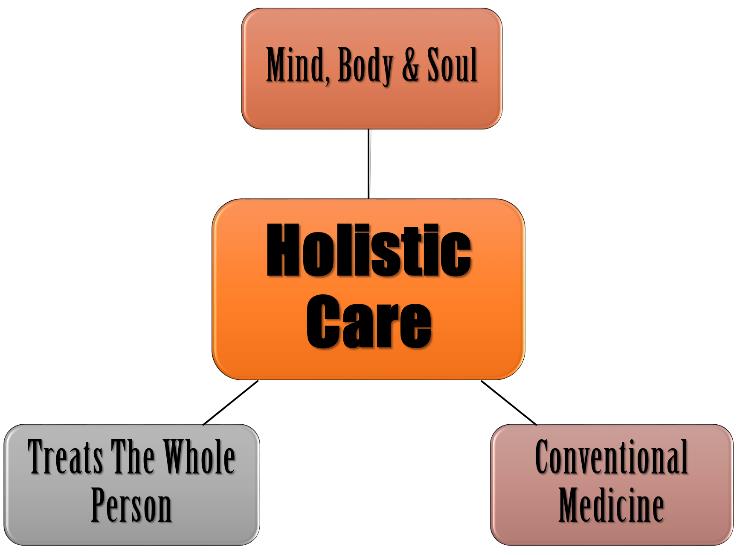
The combination of these practices is ultimately used to encourage health and wellness while preventing and treating disease by identifying all causative elements.
One of the most attractive aspects of this form of treatment is the way the patient is treated. While modern medicine seems to view the sick person as an example of an illness, holistic medicine views the person as an individual with thoughts, feelings and a history. When looking at the patient as a person, practitioners are able to develop a treatment plan that embodies each individual patient’s mind, body and spirit.
Alternative Medicine
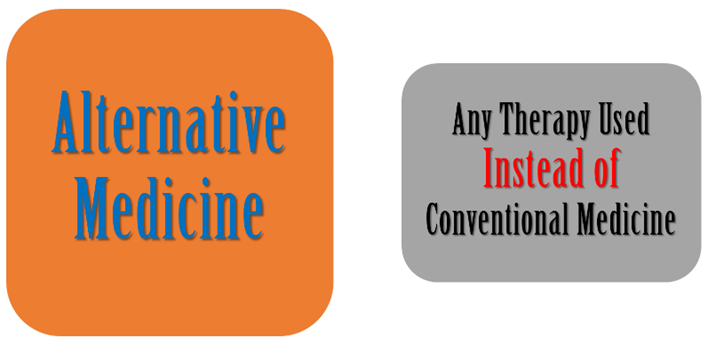
Alternative medicine refers to some type of treatment or therapy that is used instead of conventional Western medicine.
Alternative medicine is viewed as the direct opposite of conventional medicine.
Many alternative treatments are derived from eastern practices like Herbalism, Traditional Chinese Medicine, Homeopathy, and others that are also used in holistic care.
Practitioners of this form of medicine are known as doctors, however they may be referred to as “Naturopathic” or “Chiropractic” doctors.
Many alternative medicines look to nature for cures, which is where herbalism and homeopathic treatments come in.
Some of the best herbs used in alternative medicines are those typically seen used in teas, foods, and natural supplements: ginseng, saw palmetto, Gingko Biloba, garlic, soy, cranberry, and more.
The term “alternative therapy” is commonly misused outside of its exact meaning to describe therapies that are outside of those used in conventional medical care, when in reality, the official definition means that conventional medicine is excluded.
The Alternative model is used much less in comparison to holistic and complementary care.
Complementary Medicine
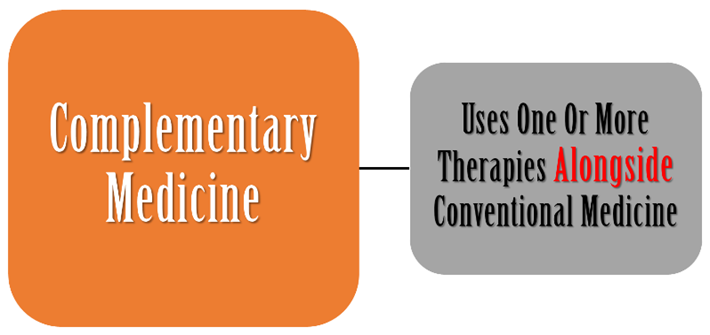
Complementary care is applied alongside traditional Western medicine, hence, the name complementary, as it used together with conventional medicine.
Complementary medicine incorporates various non-conventional therapies that are used alongside conventional medical treatments. The purpose is to utilize non-invasive and non-pharmaceutical options that strengthen the primary source of treatment a patient is receiving.
Some forms of complementary medicines include:
➢ Massage therapy
➢ Chiropractic therapy
➢ Acupuncture
➢ Herbalism
➢ Reiki
➢ And others
Summary
▪ Holistic medicine uses various therapies to treat the whole person, but, does not ignore conventional Western medicine, instead it uses various therapies outside of its scope – Very Commonly Used.
▪ Complementary medicine includes the use of one or more therapies that go alongside conventional medicine – Very Commonly Used.
▪ Alternative therapy is where the only therapies or treatments used are those outside of conventional medicine – Rarely Used.
“What lies behind us and what lies before us are tiny matters compared to what lies within us.” ~ Oliver Wendell Holmes
The last comprehensive research done on complementary and alternative treatment was back in 2007. The results showed that Americans spend about $34 billion on various complementary care methods.
Use By Age
➢ 0 – 4 – 7.6%
➢ 5 – 11 – 10.7%
➢ 12 – 17 – 16.4%
➢ 18 – 29 – 36.3%
➢ 30 – 39 – 39.6%
➢ 40 – 49 – 40.1%
➢ 50 – 59 – 44.1%
➢ 60 – 69 – 41%
➢ 70 – 84 – 32.1%
➢ 85 and older – 24.2%
Conditions Treated
➢ Back Pain 17.1%
➢ Neck Pain 5.9%
➢ Joint Pain 5.2%
➢ Arthritis 3.5%
➢ Anxiety 2.8%
➢ Cholesterol 2.1%
Most Used Therapies
➢ Natural products 17.7%
➢ Deep breathing exercises 12.7%
➢ Chiropractic and Osteopathic manipulation 8.6%
➢ Massage 8.3%
➢ Yoga 6.1%
➢ Nutritional Therapies 3.6%
➢ Progressive Relaxation 2.9%
➢ Homeopathic Treatment 1.8%
Most Commonly Used Natural Products
➢ Fish Oil/Omega 3 37.4%
➢ Glucosamine 19.9%
➢ Echinacea 19.8%
➢ Flaxseed Oil 15.9%
➢ Ginseng 14.4%
➢ Herb Pills 13%
➢ Ginkgo Biloba 11.3%
➢ Chondroitin 11.2%
➢ Garlic Supplements 11%
➢ Coenzyme Q-10 8.7%
Sources: Center For Disease Control and the National Center For Complementary And Alternative Medicine (NCAAM).
What Is Integrative Medicine
Medicine is both a science and an art. It is a science because it relies upon systematic research and experimentation to investigate diseases and conditions that ail the body and it relies upon empirical evidence to provide treatment for those diseases and conditions. It is also an art because the practice of medicine also affects people’s emotions, psychology, emotions and social dynamics.
When we feel ill, we go and see a doctor. Depending upon which part of our anatomy feels out of sorts, we go to a doctor that specializes in treating a particular part of our body. Often, doctors, especially doctors who practice Western medicine focus on symptom relief and on dealing with specific illness. This focus saves lives that is true.
However, for some diseases and conditions which are chronic, and, for which there is no instantaneous relief or cure, there must be more to medicine than just relief of symptoms.
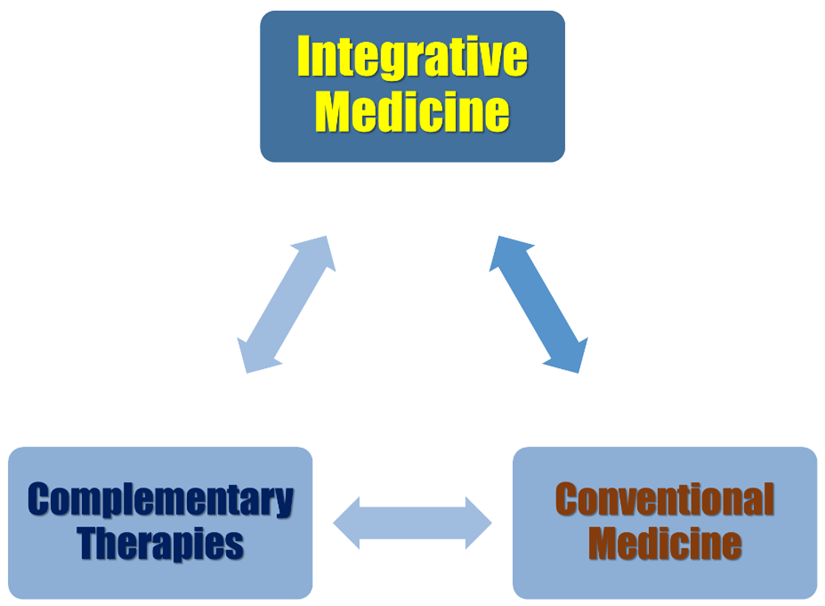
Integrative medicine refers to the use of all types of therapies, even those outside of the scope of conventional medicine.
For example, cancer treatment centers often offer integrative health care programs that include, nutrition, mental health, acupuncture and meditation to assist in treating various aspects of cancer on the patient’s lives.
Integrative medicine is really synonymous with complementary medicine, it is just a difference in terminology.
NCCAM prefers the term “complementary health approaches” when they discuss and study the practice and related treatments for various health conditions.
It includes practices such as:
➢ Prescription medication
➢ Surgery
➢ Acupuncture
➢ Nutritional therapy
➢ Aromatherapy
➢ Mental health counseling
➢ Herbal medicine
➢ Massage
➢ and even yoga
These Eastern practices may not offer instantaneous relief of symptoms, but they work long term toward boosting the immune system so that the body can be in a better shape to fight disease. These also help the patient reduce the effects of stress which exacerbates and aggravates existing medical conditions.
Treatment Approach
Integrative medicine treats the person as a whole instead of merely treating a disease. The aim of integrative medicine is to make the person feel better by integrating certain practices that promote the wellbeing of the mind, as well as, the body.
Integrative medicine is also called complementary medicine.
It complements established scientific modes of treatment, but, it does not replace them.
Example
A person with migraine headaches can see a doctor and get a brain scan. The doctor can then prescribe medication. If the patient also receives integrative care they can get help through meditation practice or natural pain management.
In this way, the patient can still take medication for when they experience migraines, but they can practice relaxation techniques to manage their pain.
Studies have shown that yoga and meditation can help in pain management. The patient can also use calming essential oils (aromatherapy) to feel a sense of wellbeing to help fight the pain.
Acupuncture can help stimulate nerves also to help manage pain.
Every Day Uses
Integrative medicine is not such an alien concept. Even after we see a doctor, we use various home remedies and complementary therapies to alleviate our woes.
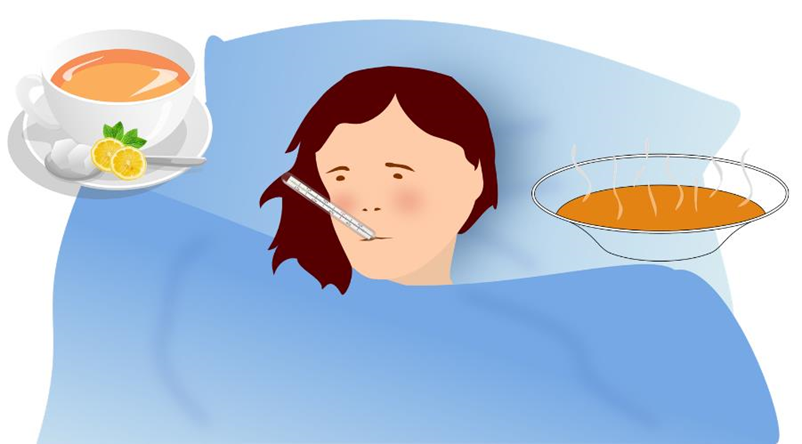
➢ We drink hot tea with lemon to heal a sore throat.
➢ We do yoga to relive stress.
➢ We eat chicken soup when we have the flu.
➢ We use steam inhalation to help us when our noses are stuffed and we have a bad cough.
➢ We use hot or cold compresses to relieve aches and pains.
➢ We exercise to improve heart disease and high cholesterol.
➢ We take hot baths for muscle pains.
➢ Cancer patients typically seek the services of a holistic nutritionist.
➢ We use acupuncture for various conditions.
Most of these are remedies will not be prescribed by a doctor, but, they are time tested ways to find relief.
They do not cure the diseases directly, but, they do help us feel a little better; sleep and rest a little better. When we feel better, we are able to heal, recuperate and recover faster.
Homeopathy is a whole medical system under the umbrella of holistic medicine and is a popular practice that claims to address a variety of conditions.
It is a medical approach and practice that is based on the concept that the body has the capacity to heal itself.
A lot of people think that homeopathy, also called homeopathic medicine, works similarly to herbal medicine. But, in reality, this medical system is quite different.
Discovered by Samuel Hahnemann in the later parts of the 18th century, this medical practice is based on the philosophy that the human body has the ability to cure itself naturally.
In homeopathic medicine, symptoms of ailments are viewed as typical human responses as the body tries to regain its health.
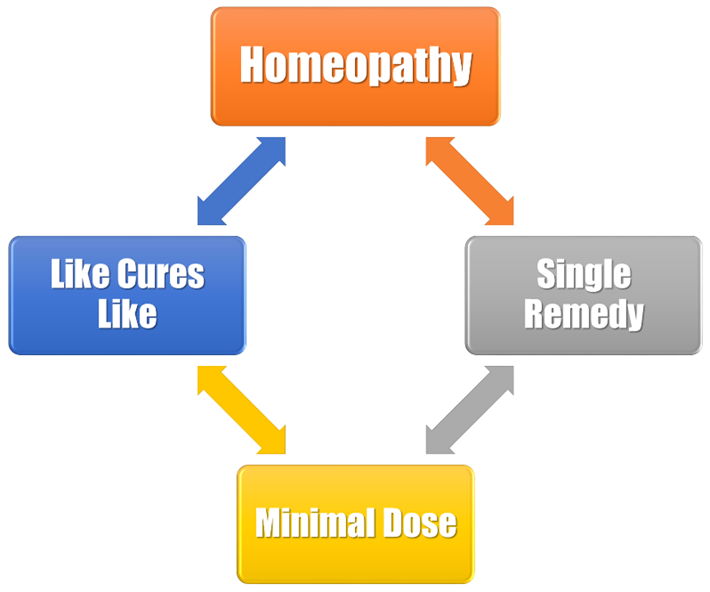
Principles of Homeopathy
➢ The Law Of Similars – Homeopathic medicine is based on Hippocrates’s ‘like cures like’ principle. According to this ancient medical principle, if a substance is causing a problem or symptom in a healthy individual, giving a small dose of such substance to the person may treat the ailment. The homeopathic physician prescribes the appropriate medicine to match the symptoms a patient is experiencing.
➢ Single remedy – this means that only one medicine is required to treat all the symptoms a patient may be experiencing, including, those that are mental, emotional and physical in nature.
➢ Minimum dose – Part one is that the medicine is only prescribed in a small dose to evaluate the effect. Part two is all medicine is given in infinitesimal doses.
Examples
If, for instance, you are suffering from a lack of sleep due to excess intake of caffeine, consuming a small amount of caffeine may help you get a good night’s sleep.
Remedies
Remedies for this medical system are made from animals, minerals and plants, such as, stinging nettle, belladonna, poison ivy, white arsenic, crushed whole bees, arnica, and red onion.
Statistics Of Use
As reported by the 2007 National Health Interview Survey, which was a detailed study on the use of complementary health methods by Americans, approximately 3.9 million adults and 910,000 children employed homeopathy in 2006.
These estimates consist of usage of over-the-counter products that were labeled “homeopathic,” and also visits to a homeopathic practitioner. Adult expenditures totaled $2.9 billion for medicine and $170 million for practitioner office visits.
Specific Uses
Since its advent in 1796, homeopathy has been used to treat a wide array of conditions, including:
➢ Irritable bowel syndrome
➢ Rheumatoid arthritis
➢ Atopic dermatitis
➢ Allergies
➢ Bed wetting
➢ Atopic dermatitis
➢ Infertility
➢ Sleeping disorders
➢ Migraines and headaches
➢ Minor cuts and scrapes
➢ Muscle strains
Homeopathy is never appropriate for serious conditions, like, cancer, major infections, emergencies or heart disease. It is advised that if the condition is not self-limiting, then a qualified medical professional should be consulted.
Precautions
➢ There is little scientific evidence that supports the effectiveness of homeopathy for any condition. Many medical professionals agree that any healing that occurs during this type of treatment is pure coincidence that coincides with the natural healing ability of the body, as well as, time.
➢ Many extensive clinical trials and systematic studies of research on homeopathy have determined that there is very little data to support homeopathy as an effective treatment for any sort of condition.
➢ Licensing – Laws and regulations governing the practice of homeopathy in the United States differ from state to state. Generally, those who are licensed to practice medicine or some other medical care profession can lawfully practice homeopathy. In a few states, non-licensed individuals can also practice treatment modality.
➢ Homeopathy continues to be a controversial topic in complementary medicine research.
➢ While the U.S. Food and Drug Administration (FDA) regulates homeopathy, they do not test any remedies for safety or effectiveness.
➢ Some may assume that because homeopathic remedies are highly diluted they cannot be harmful, but, actually some contain substantial amounts of active ingredients that can cause adverse side effects and drug interactions.
➢ A number of essential principles of homeopathy are not consistent with fundamental concepts of chemistry and physics.
➢ Scientific research on homeopathic remedies is very difficult.
➢ According to the National Center For Complementary And Alternative Medicine (NCCAM) Homeopathy is not recommended as the sole treatment method for serious illness and conditions, and any such treatments that are employed should be reported to one’s primary care physician.
Therapies Used In Holistic Care
Acupuncture And Chinese Medicine
“When the wind of change blows, some build walls, while others build windmills.” ~ Chinese Proverb
Acupuncture is a natural treatment method which has been used in traditional Chinese medicine for more than 2000 years.
Traditional Chinese medicine teaches that the human body has qi which is the flow of life energy. Qi flows in set pathways throughout the body. These pathways, called meridians are usually traceable from the head to the soles of the feet.
In a healthy body, the qi flows in a balanced and harmonious manner, thus, enabling the body to repel sickness.
Stress, lack of sufficient exercise, poor eating and
sleeping habits, substance abuse, infection and other lifestyle factors disrupt the flow of qi rendering the human body susceptible to disease, injury and other medical conditions.
How It Works
Acupuncture is just one component of traditional Chinese medicine but it has been proven most effective.
➢ When a patient sees a traditional Chinese medical practitioner, the Chinese doctor will first observe the patient’s eyes, tongue, skin and general disposition.
➢ He may also ask about the patient’s urine and fecal output as well as daily habits and lifestyle.
➢ The Chinese doctor will then feel the patient’s pulse.
➢ All these observations plus the patient’s complaints enable the doctor to determine what part of the patient’s body has been affected by the imbalance in his qi.
➢ Traditional Chinese Medicine is conservative and minimally invasive.
➢ The Chinese doctor will recommend foods that the patient must avoid or must eat more of.
➢ The Chinese doctor will also prescribe natural herbs for the patient to take as tea. If these do not balance the patient’s qi the Chinese doctor will raise the treatment to the next level which is acupuncture.
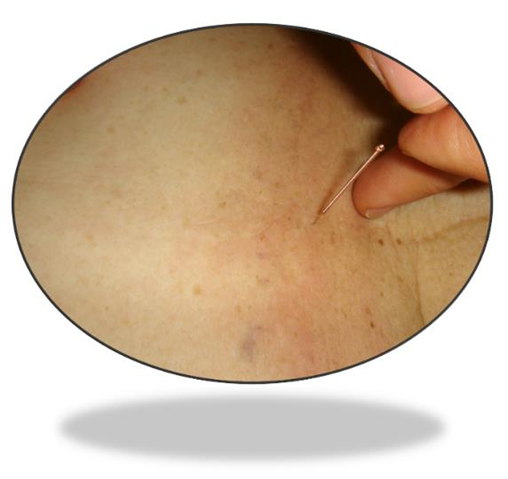
➢ Acupuncture involves the patient lying supine with his back exposed. The acupuncturist will then insert sterile needles into the pathways of the qi so as to stimulate the return of the balanced and harmonious flow of q i.
View Of Acupuncture By Western Medicine
➢ Acupuncture has been extensively researched and studied in Western medicine and it has determined that qi may well be the nerve impulses that flow through the human body. The nerve impulses affect the functioning of nerves, tissues, muscles and organs. When the nerve impulses are disrupted pain results. Thus, Western medicine has accepted acupuncture as an alternative method of pain relief.
➢ Western medicine theorizes that stimulation of nerves boosts the body’s immune system and releases hormones, which, act as natural painkillers.
➢ It is also thought to increase blood flow to areas of the body which are affected by disease or injury, thus promoting healing.
➢ When acupuncture is accompanied by medication or physical therapy, it ensures holistic healing.
Uses
✓ It has been recommended as an alternative to drugs for the treatment of chronic lower back pain, neck pain, and osteoarthritis.
✓ It is recommended also for neuralgia (nerve pain), migraines and tension headaches; and as therapy following stroke or paralysis due to injury.
✓ It has also been found to be effective in addressing the effects of polio
✓ It is also useful for digestive disorders.
✓ Urogenital disorders, such as male impotence.
The efficacy of acupuncture is still being investigated as viable treatments for the discomforts of menopause; as well as the pain and discomfort associated with chemotherapy.
It is theorized that acupuncture’s efficacy lies in the fact that it treats the underlying cause of illness, as well as, relieves the symptoms associated with the illness.
Criticism
Some critics of acupuncture have asserted that the insertion of needles does not really effect treatment, but like a placebo, it induces feelings of well-being which accord with the patient’s expectations and belief.
Safety
▪ While acupuncture has been found to be safe as it has no known complications except those associated with needles that are not sterile; treatment using acupuncture from a practitioner who is not qualified, registered, licensed or experienced may cause injury to the central nervous system.
▪ It is wise to consult your physician before using acupuncture.
Having originated in China over 5,000 years ago, acupressure is considered as one of the ancient arts of healing. Similar to acupuncture, it works around the principle of stimulating the body’s self-healing abilities by regulating the flow of the body’s life force known as chi.
It is a belief in the traditional Chinese medicine that the chi flows through the body’s pathways known as “meridians”, and a disruption in this flow can cause discomfort and even illness.
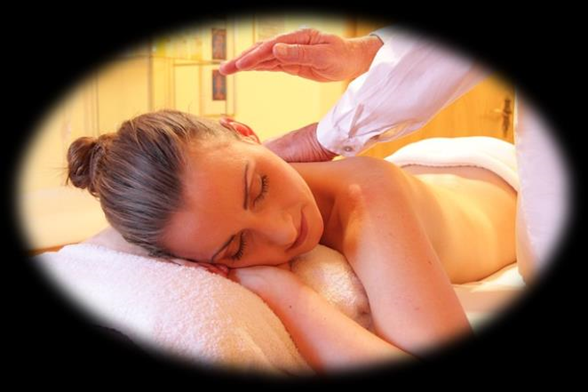
The aim of both acupuncture and acupressure is to remove blockages along these pathways.
The only difference is that the former is done by inserting needles on specific “potent points” in the body, while the latter is performed by applying pressure to these points using the fingers.
Benefits
✓ Boost in immune system. Acupressure therapy employs gentle to firm pressure that when applied to specific potent points can improve blood circulation, release muscle tension, and aids in the body’s detoxification, which, improves the body’s natural healing capabilities and resistance to diseases.
✓ Youthfulness and beauty. Traditionally, the Chinese have used acupressure as a beauty treatment. By applying finger pressures, the therapy has been known to increase circulation, tone the facial muscles, prevent wrinkles, and release toxins.
✓ Better sexual drive. Acupressure can improve arousal, sexual endurance, and enhances sexual pleasure. It can even help with sexual problems, such as, decreased libido, impotency, premature ejaculation, and infertility through a deeper understanding of how to release blocked sexual energies.
✓ Mental and emotional wellness. Aside from the physical benefits of acupressure, it has been known to alleviate emotional and mental pain as well. From day to day work conflicts to trauma caused by abuse, divorce, and death, all of these negative feelings are kept buried, which can cause physical and emotional imbalances.
Uses
These stresses can cause the body’s muscles to tighten and contract, preventing the life energy from flowing freely. This may lead to depression, anxiety, and other disorders.
Acupressure can bring an overall feeling of wellness by promoting positive thoughts, relaxing the muscles and relieving any associated symptoms of stress.
There’s no scientific evidence that acupressure can treat a specific ailment, but it has been found effective in addressing certain disease-related symptoms.
Colds. A c old is not a disease in itself, but, rather the body’s natural response when viruses invade the mucous membranes. By performing acupressure, the cold symptoms may seem worse than before, but, in reality, acupressure aims to stimulate the body to expel the viruses faster, thus allowing the symptoms to progress more quickly. Additionally, acupressure can relieve that “stuffed” feeling on the sinuses by pressing on specific points.
Nausea. Acupressure has been widely used in relieving nausea and vomiting resulting from spinal anesthesia, surgery, chemotherapy, and motion sickness.
Cancer symptoms. While there is no specific medical evidence proving the effectiveness of acupressure in treating cancer, it has been known that acupressure has been effective in reducing cancer-related symptoms, increasing energy levels, and eliminating stress.
Pain. Headache, low back pain, and any other type of pain resulting from other medical conditions can also be alleviated with the help of acupressure. By stimulating the body’s pressure points, it triggers the release of endorphins, a neurotransmitter, which, is known to have pain relief properties.
Safety
Acupressure is a non-invasive form of alternative medicine, and is generally considered safe. However, be sure to consult with your physician first before undergoing the therapy.
Acupressure is contraindicated if you are pregnant, if you have varicose veins, if you have a tumor that has metastasized to the bones, or if you have any condition that can be aggravated by physical manipulation such as rheumatoid arthritis and spinal disc injury.
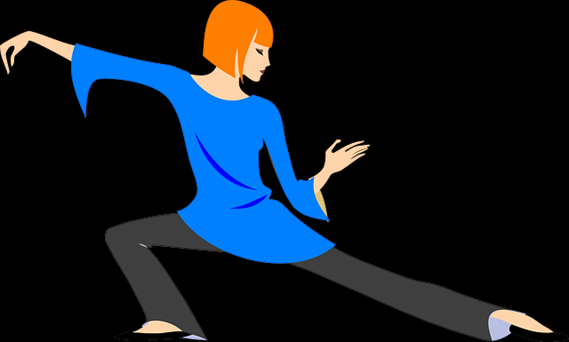
If the spelling of these words isn’t familiar, it’s probably because they are Chinese phrases. What may be familiar to you is seeing these in real life. If you’ve ever visited a park in a culturally diverse city like Los Angeles or New York, you would probably observe a group of mostly elderly people lined up like a platoon but they look like they are slowly dancing. They are probably doing Tai Chi.
What Westerners know of Tai chi is that it is an exercise regimen. It is, but, it’s more than just an exercise regimen.
It is an ancient martial art that teaches its adherents discipline of mind.
Tai chi is also a spiritual discipline involving meditation and deep breathing. It is a healing art that facilitates wellbeing in those who practice it.

The ancient Chinese believed that in every living thing, a life force which they called “chi” flows. If the flow of chi is blocked, an imbalance is created and the body becomes susceptible to disease and to injury. Tai chi helps in aiding the free flow of the chi so that the body can experience wellbeing, calmness and long life.
The Chinese martial art of Kung Fu is a vigorous and advanced form of defensive tai chi. You have probably heard how Kung Fu masters use their expertise only to defend themselves. They can discipline their bodies such that their bodies become lethal weapons.
The theory is that Kung Fu masters can calm their minds and concentrate their chi at one point of their body. If the chi is concentrated in the fists, the fists can deal a blow so powerful enough to be fatal.
While those elderly practitioners of tai chi in the park are not the same as Kung Fu masters, the basic principles and theories underlie the practice.
Deep breathing and slow movements calm and clear the mind so that the body can respond to the mind in harmony.
Uses
Even if you do not believe or subscribe to the spiritual aspects of tai chi, and even if you do not believe in meditation, you will have to concede that the slow, low impact aerobic exercise can improve blood circulation.
“All diseases begin in the gut.” ~ Hippocrates
Benefits
✓ Scholars and scientists have discovered that practitioners of tai chi have lower incidence of lifestyle diseases, such as hypertension, coronary artery disease and diabetes.
✓ They also have amazing balance and agility which precludes them from injury through accidental falls—a common hazard for the elderly.
✓ You would think, at first glance, that you won’t work up a sweat with the slow movements, but, the slow movements use most of the muscles of the body without straining them.
✓ The graceful movements cannot be executed without strength in the bones and muscles of the ankles, knees and hips.
✓ Also, the slow movements allow adherents to complete their exercise for longer periods of time thereby burning more calories and building up endurance and stamina.
✓ The slow movements are gentler on the ankles and the knees than walking, jogging, running or biking and yet, they allow for weight bearing which strengthens these joints. These movements also improve posture allowing better blood circulation.
✓ One other significant finding of scholarly studies on the health benefits of tai chi is that those who practice it have significantly lower incidence or perception of pain. Scientists cannot be sure if the better blood circulation allows for less muscle strain which prevents pain; or if the meditative breathing fosters calmness and thus, the perception and threshold of pain is lowered.
For all these health benefits, even if you do not believe in the spiritual aspect of the practice of tai chi, the physical workout it gives cannot be dismissed as a mere fad or a fable.
Safety
Overall Ta Chi is a perfectly safe activity, though it is important to learn the proper methods, moves and poses in order to get the most out of it.
Medical Qi Gong
Exercise has always been viewed as an activity that can help keep the body healthy and strong. All kinds of exercise can be effective to tone muscle, lose a few pounds, maintain a healthy heart, and promote inner strength. Unfortunately, there are plenty of people who suffer from conditions which make it difficult, if not impossible, to practice regular exercise which could cause them to suffer both physically and mentally.
This is where Medical Qi Gong comes in. This gentle exercise type is perfect for those with sensitivities, lower resistance, and muscle or joint disorders that make regular exercise painful and harmful.
What Is It?
Alongside acupuncture and many herbal remedies, Medical Qi Gong is one of the core medical treatments in Chinese medicine. It is described as a gentle form of exercise that is specifically geared toward treating specific illness and symptoms of certain diseases.
What these diseases have in common is that they effect one’s ability to endure pain and engage in strenuous activity. Since most exercises regimens are rigorous and therefore tough on bodies that are more sensitive, Medical Qi Gong is a great alternative to keep the body in shape while simultaneously helping the muscles to loosen and relax through gentle but effective movements.
Similar to some physical therapies, Medical Qi Gong incorporates specially designed exercise routines that are meant to treat disease and other medical conditions.
How It Works
Through gentle movements, a meditative state of mind to maintain vital energy (Qi) flowing through the body, and deep breathing, you can perform the gentle routines that make Qi Gong. When disease and other medical problems arise, it is seen as an indicator that a person’s Qi has become blocked.
Therefore, Medical Qi Gong aims to clear these obstructions through their gentle movement and exercise routines in order to allow the energy to naturally flow throughout the body once again.
When this has been executed correctly, Qi Gong should help to improve or even remove symptoms and discomforts caused by disease. When used along with proper diet, medication, education, and other activities as prescribed by your doctor, Qi Gong can make a big difference.
Medical Qi Gong treats a range of medical conditions. It is most effective in treating chronic disease that traditionally require a lot of treatment and monitoring.
➢ Breast Cancer
➢ Arthritis: A painful and debilitating disease, arthritis is a joint disorder that is characterized by serious joint inflammation. When treated by Qi Gong, studies have shown that pain, fatigue, and stiffness were greatly improved.
➢ A Weakened Immune System: This is often caused by age, stress, and medication. These exercises can help rebuild the immune system to fight against certain diseases.
➢ Hypertension: Also known as high blood pressure, hypertension is a dangerous and sometimes debilitating condition. Qi Gong exercises can helper lower blood pressure as well as improve cholesterol levels.
➢ Parkinson’s Disease: A condition that targets the central nervous system, Parkinson’s is defined by tremors, stiffness, a decline of cognitive ability and more. Practicing these exercises can help improve overall functional capacity.
➢ Fibromyalgia: Defined by chronic widespread pain, fibromyalgia is a non-debilitating muscular disorder that can affect various aspects of one’s life.
With Qi Gong, the chronic pain, sleep problems, and mood irregularities can be improved significantly.
➢ Depression: Depression is a mood disorder that can negatively alter one’s outlook on life. Sadness, anxiety, irritability, and hopelessness are the most common symptoms. QI Gong can help by improving performance in cognitive tests and reducing depression symptoms.
➢ Diabetes: This metabolic disease can be improved by Qi Gong a few different ways. These exercises can help reduce fasting blood sugar levels, improve one’s quality of life, and help patients learn new self-are activities.
➢ Chronic Fatigue Syndrome: This syndrome is defined by persistent fatigue that is not caused by common causes like lack of sleep, medical conditions, or physical exertion. Qi Gong can help by reducing symptoms of fatigue by up to 39% as well as help improve mental component scores.
Who Can Perform Medical Qigong?
Medical Qigong is not regulated in the United States. So, while anyone can claim to be an expert, it actually takes years of study to become a master.
Therefor it is crucial to choose a practitioner carefully and to find someone with both knowledge and experience.
You can learn to do the exercises and perform them at home, but, it is important to learn proper form and technique, which, is where a skilled master can be imperative.
Safety
Qi Gong should only be taught by a certified master.
While effective, these exercises can be harmful when not practiced correctly. Taking classes or lessons from a professional or asking your doctor is highly recommended to ensure safety and promote an effective treatment plan.
Herbal Medicine/Herbalism
The uninitiated and the doubting Thomases may be quick to dismiss it as plain quackery, but, the truth is that herbs have played an important role throughout thousands of years of medical practice and across diverse cultures all over the world.
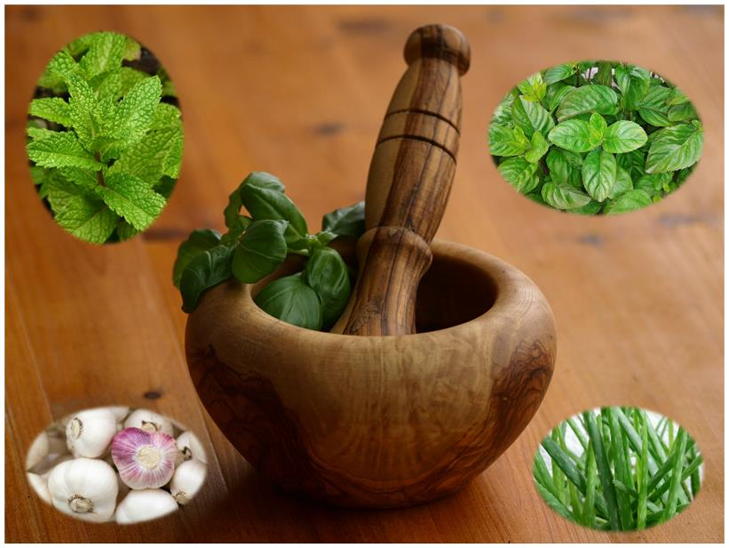
Since ancient times, healers and doctors have been relying in the potency of various botanicals to treat almost every kind of infirmity known to man. Even today’s modern pharmaceutical assembly line churn out a hefty chunk of medicinal drugs derived from plants with therapeutic properties.
From Ancient To Modern Times
Herbal medicine, or the use of plants for their therapeutic benefits, has been practiced since the ancient times across differing cultures and medicinal systems.
The earliest healers known to men as far back as the Paleolithic era some 60,000 years ago were already intimately studying the therapeutic properties of various plants. Medicinal systems that sprung from ancient Chinese and Ayurvedic societies methodically studied the medicinal properties of plants and made it a cornerstone in their respective healing cultures and techniques.
When the Western world developed conventional medicine, much of the early drugs invented and mass produced were derived from years of studying the properties and chemical composition of plants and their medicinal uses. Today, even as chemists learned to make plant compounds using synthetic substances, a quarter of pharmaceutical drugs are still derived from plants. Modern man’s Aspirin is derived from willow bark, the cancer therapy drug Taxol is extracted from Pacific yew, and the heart muscle strengthener drug Digitalis has its origins from foxglove.
Benefits
Indeed, many of us may be unaware but herbal medicine continues to be a solid foundation of our contemporary healing practice.
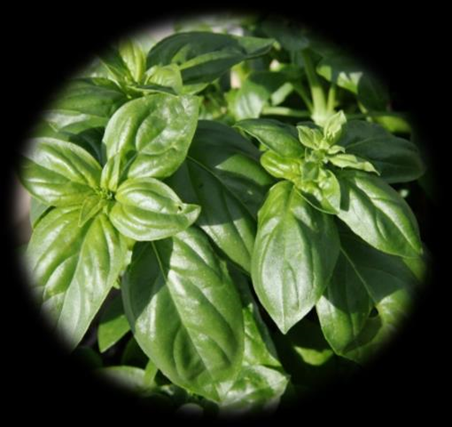
Healing with herbs remain a popular practice today, as about 80% of our global population are finding the costs of pharmaceutical drugs prohibitive and are thus turning to herbal preparations as their primary source of health care.
We can in fact even argue that conventional medicine sits securely on the shoulders of this ancient practice, administers its marriage with the convenience of science and modern technology and markets it just like any regular store bought therapeutic drug to those who have means to access pharmaceuticals.
Although medical researchers and botanists have yet to discover and document exhaustively the intricate medicinal properties of our whole plant system, there are now hundreds of medicinal herbs for a wide variety of illnesses from burns and minor bruises to more severe diseases that are known to man.
There are also a handful of herbal medications associated with the treatment of chronic illnesses such as arthritis, migraines, menstrual cramps, depression and hypertension.
Uses
Some of these remedies are accessible through herbs that can be easily grown at home and prepared as homemade decoction, tinctures, infusions or poultice, while others are easily procured in health stores and alternative clinics as herbal capsules, tablets, teas or dietary supplements.
Some herbal remedies are also available as topical oils and ointments, salves or aromatherapy essences.
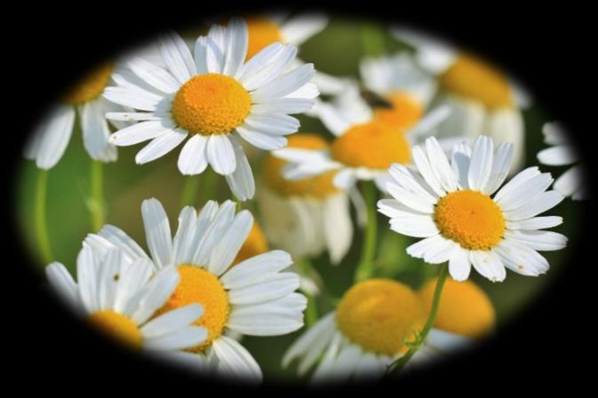
Not all herbs are created equal, and some are more capable of curing specific symptoms and health conditions. Particular parts of some herbs are also best used in specific modes of ingestion or application to achieve proper results.
Chamomile – The top portion of the plant gathered during the early stage of flowering is best taken as tea infusion to treat anxiety, indigestion, insomnia, muscle pain and cramps.
Gingko – When prepared as a tea infusion or tincture, the young leaves of the Gingko tree could ease the neurological symptoms of aging by improving circulation to the brain, thus improving memory and alleviating depression and hearing loss.
Echinacea – Echinacea tea is often described as awful in taste, so this herbal remedy is more commonly taken as tincture or capsulized powder derived specifically from its roots and young flowers.
Echinacea is used as a potent treatment for colds, flu, bronchitis and other types of infections because it boosts the immune system and the body’s capacity to ward off infections.
Ginger – Ginger root can be taken fresh, dried or as tea to relieve colds, fever and nausea.
Lavender – Oil from the leaves and flowers of the lavender plant is a popular medication for headaches, depression and indigestion. It also has great antibacterial properties. The use of lavender oil in creams, lotions, massage oils and other aromatherapy.
Uses
As in other self-medication techniques, the use of herbs is best practiced with caution. Although herbal medicine as a natural way of healing is for the most part safe, certain chemicals found in plants react differently when combined with other natural substances and chemical compounds in the body.
➢ Some herbs have side effects that can be unpleasant.
➢ Dosage is also important when using herbs.
➢ Some herbs also contraindicated with certain medications and health conditions.
➢ As with any other medical preparation, herbal medicines could only be efficacious when symptoms are properly diagnosed. When dealing with herbal medicines, remember to stay safe by doing deep research or seeking the guidance of knowledgeable herbalists and alternative doctors.
“A faithful friend is the medicine of life.” ~ Apocrypha
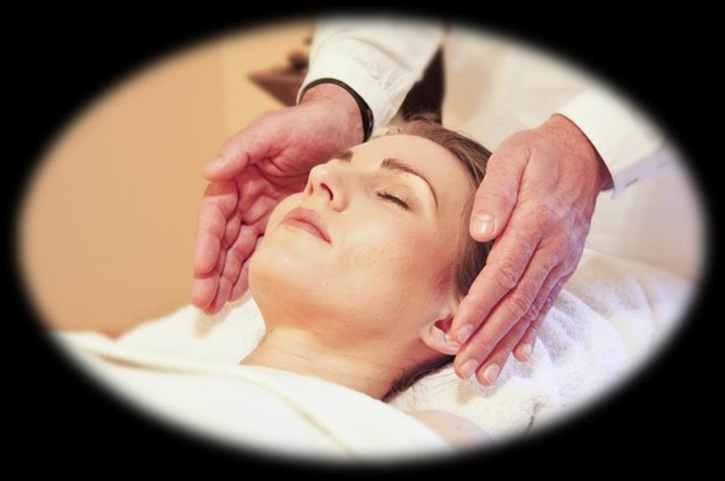
Some people may try traditional remedies to feel better such as a quick nap, supplements, massages, medications, or other forms of treatments meant to soothe and calm the body.
While these options may be effective for some people, they do not work for everyone. Some people suffer from muscle disorders like fibromyalgia that make it difficult for them to have physical manipulation therapy, and others live with sensitivities to medicines and other applicable substances.
When the standard treatments
don’t work for everyone, there must be an alternative that enhances wellbeing, improves the immune system, and brings the peace and calm the body requires in the midst of a hectic lifestyle.
What Is Reiki
Reiki is a completely natural treatment method for those who suffer from tension, fatigue, low energy, and even depression.
It is used to promote balance throughout the system on all levels through the healing touch of a Reiki professional, whether they are a trained friend, family member, or even yourself.
Reiki is meant to help patients feel at ease, comfortable, and healthy. This treatment method is a spiritual, vibrational practice that is designed to heal the body of all discomfort and pain in the most natural way possible.
The process is executed through subtle touch that is meant to lightly influence the vibrational field believed to exist within and around the body. This field is known as the human universal life energy, and it exists in all people.
This treatment option can help you get in touch with your inner spirituality while healing you of all the aches, pains, and stress you carry throughout the day.
How It Works
The Reiki treatment is performed by implementing a light, healing touch to the clothed patient in a non-manipulative, soothing way.
When undergoing a Reiki treatment, many people have expressed a feeling of deep connectivity to their inner spiritual selves.
This connection is not grounded in any religion or belief system, but is simply a byproduct of the therapeutic effects of the natural Reiki treatment. A standard Reiki session takes place in an area of the patient’s choosing. Many Reiki masters are willing to visit their patients in their homes, or they invite them into their own studios.
Many treatments are performed by having the patient lie down on a soft surface while the Reiki master administers the treatment.
The ambiance in which Reiki takes place is often a room with low light, calming music or sounds, and little to no distractions so that once the patient begins their session, they can enjoy the full benefits of this spiritual practice.
Uses And Benefits
People can benefit from using or practicing Reiki for a number of reasons. If mainstream treatments are not working for them, a more natural approach may be exactly what they need.
Reiki was developed as a way to get in touch with one’s self on a deeply intimate and spiritual level.
Reiki is especially useful as it helps with:
➢ Physical and Mental Wellness
➢ Ease when coping with chronic symptoms
➢ Relentless pain and fatigue
➢ Chronic Illness like Cancer, Lupus, and other Auto-Immune Disorders
➢ End of Life Transitions
➢ Reiki gives people a chance to connect with their inner energy and realize their full spirituality. It acts as a way to promote health and wellness through only natural means.
Anyone can learn to perform Reiki, no matter their age or stage in life. From children to the elderly, the healing power of Reiki can be mastered and shared with everyone in need.
From reducing stress to boosting your energy levels, reflexology is truly a relaxing massage therapy that can be of great benefit in many different ways.
As a reflexology practitioner applies pressure to certain points on your ears, hands, and easy, you get to relax your senses as well as alleviate stress.
Furthermore, reflexology is a therapeutic modality that can be used to help people who suffer from ankle injuries and plantar fasciitis.
The perks of reflexology, however, go beyond reducing stress and managing pain.
What Is Reflexology
Reflexology, also referred to as zone therapy, is a holistic massage therapy that applies pressure to certain areas and points on your ears, hands and feet, without the use of lotion or oil.
Reflexology practitioners believed that these reflex points and areas correspond to several different systems and organs in the body. Thus, with the appropriate amount of pressure, reflexology can provide a beneficial effect in the person’s organs and overall well-being.
Reflexology is considered a form of alternative medicine. In ancient times, this medical system was widely used and practiced in several countries, including India, Egypt and China. Today, millions of people all over the world are taking advantage of this ancient practice to boost their body’s healing process.
As matter of fact, it is one of the world’s fastest growing health trends and medical practices. In Denmark, for instance, over 20% of the country’s total population had used reflexology to improve their overall well-being.
How It Works
Your body becomes imbalanced when it is under a great deal of stress, or suffers from any injury or disease.
Reflexology helps restore the body’s balance, and reinstates its equilibrium.
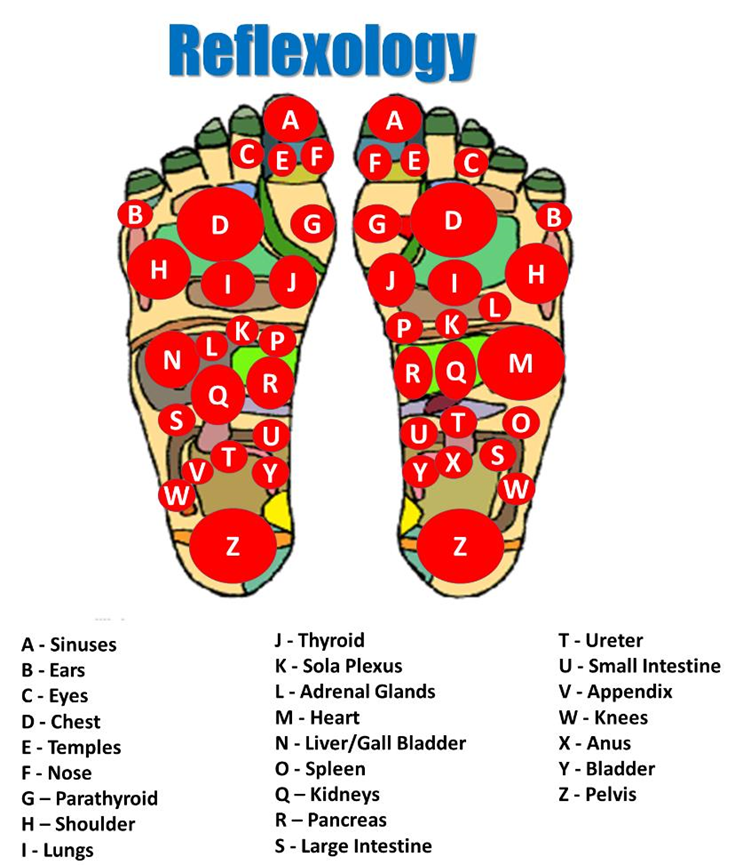
This treatment is, obviously, carried by a licensed reflexologist, a certified and trained professional who has the know-how of the pressure zones and areas of the feet and hands.
➢ In this medical practice, the patient is required to lie down on a reflexology treatment bed.
➢ Afterwards, the reflexologist applies an appropriate amount of force on particular points on the patient’s feet using only his or her hands, stimulating the nerves’ sensory receptions in the patient’s foot.
➢ Then, the nerves impulse is transmitted to the patient’s spinal cord, allowing the body to distribute it to the whole nervous system.
➢ This, in turn, causes a release of pain-relieving into the bloodstream, giving a soothing sensation and effect to pains, and aches in the body.
Reflexology practitioners use foot charts as a guide, as they apply the appropriate pressure to certain reflex areas and zones. In some cases, they use items to help them in their work, such as sticks of wood, rubber bands and rubber balls.
Uses And Benefits
There are a lot of benefits that can be offered by the ancient practice. With reflexology, you get to alleviate stress by creating relaxing your senses, helping your body restore its balance and allowing the healing energy to discharge and flow.
Moreover, it helps improve circulation, increase energy, stimulate nerve functions, and boost the immune system.
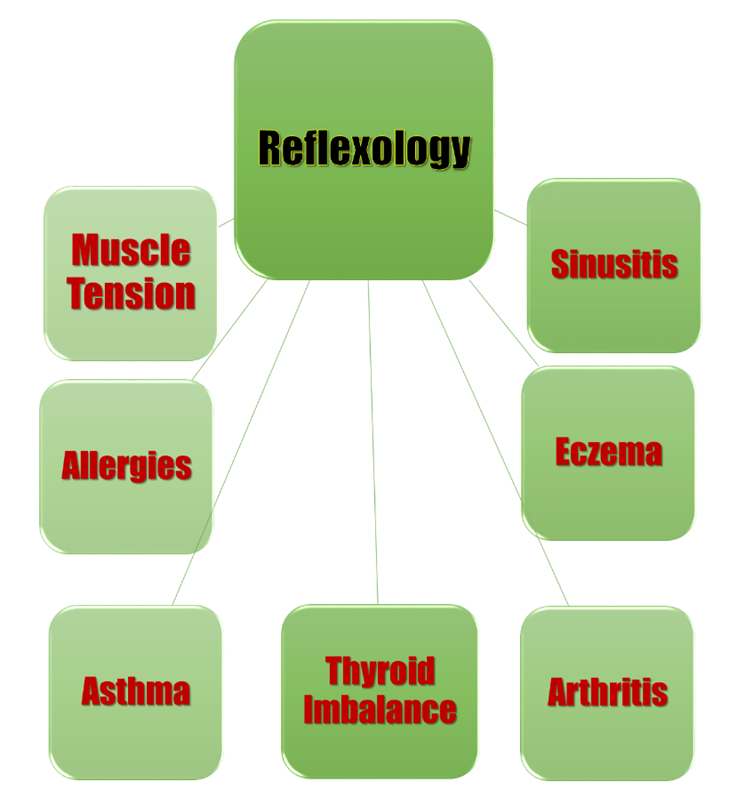
Medical experts and reflexologists say that it can also be used to address a broad range of symptoms and medical conditions, including:
➢ Diabetes
➢ Headaches
➢ PMS
➢ Cardiovascular issues
➢ Asthma
➢ Enhance sleep
➢ Help with depression and anxiety
➢ Thyroid imbalance
➢ Sinusitis
➢ Respiratory problems
➢ Neck problems
➢ Muscle tension
➢ Multiple sclerosis
➢ Constipation
➢ Bowel disorders
➢ Hypertension
➢ Back problems
➢ Arthritis
➢ Allergies
➢ Hormonal problems
➢ And others
Practitioners Of Reflexology
➢ Trained massage therapists (reflexologists)
➢ Physical therapists
➢ Chiropractors
Safety
Reflexology is considered safe when administered by a trained expert.

Hypnosis
Hypnosis often conjures images of contrived amusement best done in magic shows and sleazy nightclubs. But once you get past your prejudices and fear of the often misunderstood if not unknown, you may discover in hypnosis a potent treatment method for alleviating a host of symptoms and disorders.
What Is Hypnosis
Hypnosis is more than hocus pocus and is not quackery when done correctly with the proper goals in mind.
Hypnotherapy, or the use of hypnosis to treat pain and other symptoms, is a valid medical intervention that has been practiced in various cultures for thousands of years long before traveling circuses featured it as a sideshow during the late 19th century.
Today, hypnosis is acknowledged by the scientific community as a veritable alternative treatment method usually used in conjunction with conventional psychological, medical and dental practice.
It is considered an effective method in treating a host of psychological and medical problems from anxiety, insomnia, linguistic stuttering and smoking to chronic pain, migraine, asthma and high blood pressure.
Recent studies also explore the potency of hypnosis in treating behavioral disorders such as ADHD and autism.
How It Works
When used by competent and trained professionals, hypnotherapy is able to induce a state of trance, or an altered state of consciousness similar to dream consciousness and deep relaxation to treat disorders that are largely psychological or emotional in origin.
Hypnotherapists use a variety of techniques to make the most of the connection between mind and body in order to promote healing.
The human brain has the capacity to assume different levels of consciousness, alternating from being completely alert to lethargic to effusively asleep and several variations of awareness in between.
The brain naturally switches to states of hypnosis when we daydream, are absorbed in what we are doing that we are sometimes able to block off notions of time and space and even when we listen to boring speeches that make us feel drowsily asleep.
Being in a state of hypnosis as a form of treatment is similar to being in a state of daydreaming; hypnotherapy, however, is governed by specific and definite goals as oppose to daydreaming mindlessly.
Uses And Benefits
Although hypnotherapy is still quite a controversial practice because conclusive research on exactly how hypnosis as a process treats specific disorders and conditions is still unavailable, several scientific inquiries into the effects of hypnosis underline altered brain activity as the key to this treatment method’s efficacy.
Brain imaging in patients undergoing hypnotherapy shows that particular hypnotic recommendations decreases activity in specific areas of the brain either associated with responses to pain or directly engaged in the production of physical pain sensation.
Psychologically, being in a state of hypnosis is also believed to access the more perceptive unconscious mind which in turn promotes brain wave activity that makes individuals more open to therapeutic suggestions and altered perceptions, attitudes and behaviors.
A therapy consisting of somewhere between four and ten sessions is usually needed to realize this healing potential of hypnosis.
Conditions Typically Treated With Hypnosis
The hypnotic state basically facilitates a person to be open to suggestion. It can improve the success of other treatments in several conditions, such as:
➢ Weight Loss
➢ Smoking cessation
➢ Phobias, fears, and anxiety
➢ Sleep disorders
➢ Depression
➢ Stress
➢ Post-trauma anxiety
➢ Grief and loss
Hypnosis Is Not For Everyone
Contrary to popular belief though, hypnosis will not make you do or say things against your will. You cannot be forced into a state hypnosis either.
A hypnotherapist simply guides you in reaching an altered state of consciousness by using techniques such as talking, imagery, breathing exercises and deep concentration. Different persons require different techniques and lengths of time to reach a hypnotized state and some people are said to be more resistant to hypnotism than others.
While the ability to be hypnotized is also believed to be a learned skill, people who have an excellent imagination and are able to keep a strong mental focus are said to experience the best results from hypnosis.
Hypnosis Practitioners
Hypnosis should be performed only by licensed and certified mental health professionals who are trained and who specialize in this technique.
Safety
Hypnosis is generally considered as a safe treatment method although on rare occasions, patients report experiencing associated side effects such as headaches, dizziness, anxiety, upset stomach and false memories.
While hypnosis offers a host of medicinal benefits, it is standard practice to avoid using this kind of treatment among those who are suffering from psychosis, severe depression and alcohol or drug addiction.
“It is more important to know what sort of person has a disease than to know what sort of disease a person has.” ~ Hippocrates (460-377 B.C.)
Hydrotherapy
Hydrotherapy is a holistic healing method that uses water to combine the therapeutic benefit. “Hydro” is a prefix from the Greek tied to many words meaning “water.”
Hydrotherapy is a form of naturopathy, an alternative treatment method that relies on non-invasive methods to treat patients or clients without the use of drugs or surgery.
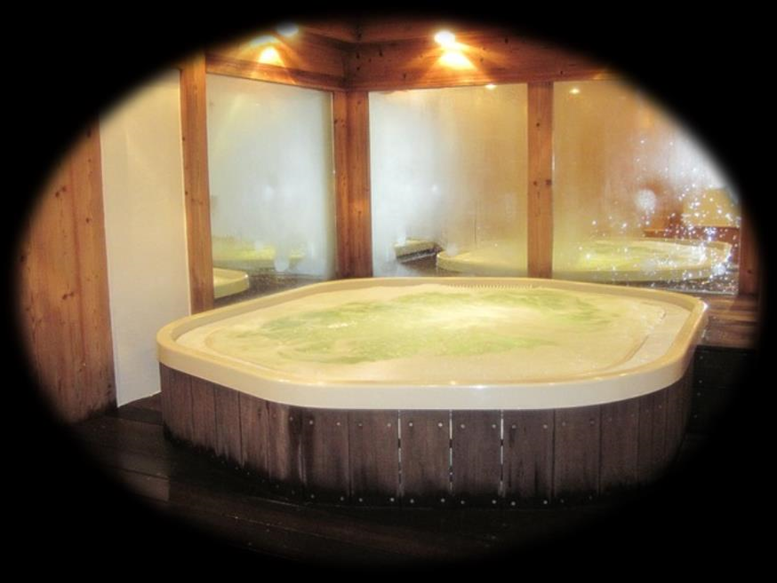
Water therefore is used to provide, in many circumstances, pain relief for people who would rather not rely on pain medication.
Naturotherapists and naturotherapy have become more popular in the past decade as another option to battle typically muscle pain rather than having to rely on medication that can eventually become habit forming.
Many people do not want to be chained to a medication, so it’s no wonder that naturotherapy has found its place as a reputable method amongst healing methodology.
How it Works
Hydrotherapy is a broad term that describes a method using water for healing.
Patients are encouraged to immerse themselves into a tub or shower of moderate temperature.
Whirlpool for instance is a form of hydrotherapy. The water jets that are part of Whirlpool’s apparatus serve to apply direct pressure to the body’s afflicted area(s).
For instance if it’s your lower back that is making it difficult to ambulate, sitting down in a hot tub with pulsating jets manipulating the injured back area will hopefully provide relief, which, obviously can be equated to any body part, including, calves, thighs, feet, hands, shoulders.
If you enjoy showering and you’re having upper or lower back pain, consider a shower head that rotates from pulsate to straight water, back to pulsating. If you’ve ever stood under a warm shower and let the water hit your shoulders and because it felt great, whether you realized it or not you were enjoying hydrotherapy.
It’s not habit forming, other than you might love your bath or shower, but it’s not something you’ll have to have or else you’ll suffer the consequence of physical withdrawal. It’s economical. If water immersion works for you rather than a visit to the doctors you are of course saving money not having to see the doctor on a regular basis for drug prescription management and therapy.
There are different hydrotherapy options, such as, massage while lying in mineral-treated water.
There’s even a method referred to as the “cold plunge,” which is self-explanatory.
Whatever method you decide on will be agreed upon by you and your therapist.
Uses And Benefits
➢ Pain is probably one of the most common reasons anyone would use hydrotherapy.
➢ Besides physical pain there is the mental aspect.
➢ Stress relief is also at the top of the list for many who employ this tactic.
➢ Another significant reason to give hydrotherapy a try is simply to do something nice for yourself that is natural, calming and healing.
➢ Physical therapy is another use of this treatment modality.
Hydrotherapy is an excellent alternative to customary Western medicine techniques.
Hydrotherapy that combines natural minerals along with massage can do wonders for both mind and body. It’s certainly worth exploring if you’ve been looking for an alternative from traditional resources available to you.
A visit to the naturotherapist might be, in fact, just what the doctor ordered.
Safety
In general hydrotherapy is a perfectly safe practice.
“Most over-the-counter and almost all prescribed drug treatments merely mask symptoms or control health problems or in some way alter the way organs or systems such as the circulatory system work. Drugs almost never deal with the reasons why these problems exist, while they frequently create new health problems as side effects of their activities.” ~ John R. Lee, M.D.
Chiropractic Treatment
Those who practice chiropractic treatment, referred to as chiropractors, provide a drug free, hands on approach to healthcare.
Chiropractors are able to examine, diagnose, and treat patients as well as provide information related to rehabilitation exercise, diet, nutrition, and lifestyle changes.
History
Chiropractic treatment began in 1895 when a man named Daniel David Palmer performed the first chiropractic adjustment on the partially deaf Harvey Lillard.
Lillard reported to Palmer within a few days of the adjustment that his hearing seemed to improve. Two years later, Palmer opened the first school of chiropractic.
In 1963 the American Medical Association formed a committee that was designed to eliminate the chiropractic profession and referred to chiropractic treatment as an unscientific cult. In the 1980’s chiropractic treatment gained mainstream support and has flourished ever since.
Complementary Treatment Method
In the United States, chiropractics is considered to be a complementary health practice, one that supports other more traditional medical practices.
Spinal Manipulation
Most of the chiropractic treatment research has focused on spinal manipulation which is used to relieve neck and back pain. It has also been proven to help with reoccurring headaches, joint pain, and whiplash.
Spinal manipulation is simply a quick thrust to spinal joints that moves the joints slightly beyond their normal range of movement allowing the release of built up joint fluids.
Spinal manipulation can be followed by a few side effects which include discomfort in the area, slight headache, or tiredness. These side effects are temporary and should dissipate within a few hours of the adjustment.
In 2009 a study found that a patient receiving chiropractic care was at no greater risk than a patient who was receiving care from a primary care physician which has helped lay to rest the claims that chiropractic treatment has severe life long side effects.
Education Required To Become A Chiropractor
In order to practice chiropractic treatment, chiropractors must attend an accredited chiropractic college that offers a doctor of chiropractic degree program.
This is a four-year training program that involves both in class learning and gaining experience from working directly with patients.
Most states require chiropractors to earn annual credits in order to maintain their license, and in order to acquire a license, chiropractors must pass an examination that is administered by the National Board of Chiropractors.
Treatment Methods
When you go to see a chiropractor for the first time, they will look at your medical history and do a physical examination. They may also want an X-ray of your spine.
If the chiropractor feels that chiropractic treatment will benefit your condition than a treatment plan will be developed.
During your following appointments, you can be treated with several different adjustment techniques along with other treatments such as electrical stimulation, counseling about diet and weight loss, or information on rehabilitation exercises.
The Need For A Chiropractor
➢ Chronic pain in joints, back, or reoccurring headaches and traditional medical treatments are not helping.
➢ If you doctor recommends it.
➢ When an injury to a muscle, joint, or to your spine has not healed with traditional medical treatment.
➢ You have sharp pain shooting from your hip down your leg.
➢ Pain or stiffness comes and goes in different parts of your body.
➢ If one of the soles of your shoes wears out quicker than the other.
Consulting With A Chiropractor
➢ Your head leans forward instead of being positioned directly on top of your shoulders.
➢ One shoulder is lower than the other.
➢ As your primary care doctor for any information they can give you on local chiropractors. You may not need a referral to a chiropractor but your doctor may know of someone that is worth your time and money.
➢ Look into the background of the chiropractor before you make an appointment. Check to see if there are any malpractice suits filed against them, and look for reviews online.
➢ Ask your chiropractor about their education and license.
➢ Ask if the chiropractor is trained to treat the condition you are seeking care for.
➢ Tell the chiropractor of any medications you are taking as well as any medical conditions you have.
➢ Ask about any out of pocket expenses that may not be covered by your insurance.
➢ Make sure you tell your primary care doctor that you are seeing a chiropractor. You want to ensure they know everything you are doing to manage your health.
Aromatherapy
Have you ever noticed how when you smell fried chicken, you remember your mom because when you were small, Friday night was fried chicken night at your house? Or, have you ever noticed how the smell of mothballs reminds you of your grandmother’s attic where your bully of a brother locked you in when you were 5 years old?
Smells trigger memories.
This is because the nerves in your nose process smells and stores the memories associated with that smell right next door to the part of your brain where your memories are stored.
Smells and scents affect us long after they have faded into thin air.
This is the basic principle of aromatherapy.
Aromatherapy is the use of essential oils from plants for their medicinal and healing properties.
The Egyptians concocted mixtures of oils in which they dipped strips of linen cloth which they use to wrap the bodies of the dead for burial. The oils inhibit the stench of decay and keep away insects that may feed on the dead tissue.
Also, the essential oils preserve the skin which is useful for mummifying it. If essential oils can delay decay in a corpse long enough for mummification to set in, it can also heal live bodies. That, in a nutshell is what aromatherapy can do.
How It Works
Plants from which essential oils are derived have been used as medicine for centuries. For example, in Asia, the leaves of the guava tree are boiled until they produce a deep brown liquid. This liquid contains iodine which is used as an antimicrobial wash for open wounds; mothers give their children ginger tea for indigestion.
It is the essential oils in ginger that steep in the tea which calms the stomach. In the book The Long Winter written by Laura Ingalls Wilder, she and her father were making hay in the sun and they were so hot and thirsty. Her mother sent them a jug of cool well water that was flavored with sugar and lots of ginger. Ginger-water is something the pioneers drank to restore electrolyte levels when they were working under the sun.
It is the same principle when herbal teas with chamomile are taken right before bedtime – the essential oils in chamomile promote relaxation. Incense is burned in temples because they calm and relax the mind so that worship can be possible.
Essential oils are also used as active ingredients in perfumes and colognes because they stimulate moods. In food preparations, baked goods such as cookies and pies incorporate cinnamon and vanilla because these do not only smell good, but, they also aid digestion.
Essential oils are obtained by distilling plant roots, berries, leaves or bark. The plant parts are put to slowly boil in a covered vat with tubing sticking out of it. The tubing is attached to another pot.
What happens is that as the plants slowly boil in water, steam rises up through the tubing. The steam is a mixture of water vapor and some molecules of the plant’s extracts.
The steam travels down the tubing and cools so that when it reaches the covered pot on the other end, they become fat heavy droplets of liquid once more.
In the other pot, the droplets of liquid accumulate. As oil cannot mix with water, the essential oils rise to the top of the water.
As you can see, aromatherapy is not such an alien concept. However, in aromatherapy, essential oils are mixed and applied as lotions or balm on the skin or, they are dropped into boiling water to release the molecules which are then inhaled.
Essential oils are concentrated. When using essential oils, these must be mixed in and diluted with other oils to prevent burns should the essential oils be used directly on the skin.
Uses And Benefits
Research has shown aromatherapy to be effective in these ways:
➢ Black pepper vapor may reduce nicotine cravings
➢ Camphor, menthol, cajaput, and clove oil relives tension headaches
➢ Lavender oil—may reduce anxiety, may also reduce agitation in people with Alzheimer’s disease (lemon oil may also be beneficial for this purpose)
➢ Peppermint oil can improve irritable bowel syndrome symptoms
➢ Eucalyptus to relieve coughs
➢ And others
➢ Tea tree oil to treat athlete’s foot
➢ Eucalyptus oil to prevent mosquito bites
➢ Rosemary, lavender, cedarwood and thyme oils can help with the hair loss condition, known as, Alopecia Areata
Aromatherapy For Other Conditions
Anxiety: essential oils include, lavender, myrrh, bergamot, chamomile, cypress, rose, pine, vanilla, marjoram, neroli, orange and lime.
Headaches: For headaches effective essential oils are basil, eucalyptus, chamomile, ginger, lemon grass, lavender, marjoram, peppermint, thyme, ylang ylang, and others, including various combinations.
Menstrual Cramps: angelica, caraway, chamomile, ginger, lavender, rose, rosemary, sage and others.
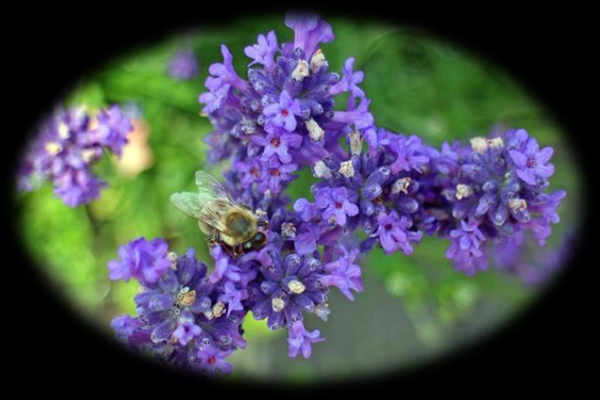
Depression: patchouli, rosemary, sandalwood, angelica, lemon, marjoram, neroli, peppermint, bergamot, jasmine, lavender, ylang ylang, clary sage and others.
Fatigue: jasmine, frankincense, lemon, basil, angelica, cedarwood, clove, eucalyptus, marjoram, vanilla, peppermint, and others.
Lung and Sinus Congestion: fennel, ginger, hyssop, juniper, tea tree, basil, cedarwood, clove, cypress, eucalyptus, marjoram, and others.
Indigestion: rose, rosemary, sandalwood, lavender, juniper, lemon grass, lemon verbena, orange, thyme, anise, fennel, ginger, basil and many more.
Muscle Pain: lemon grass, lemon verbena, sandalwood, bay, caraway, chamomile, eucalyptus, ginger, geranium, juniper patchouli and several others.
And thousands more….
Aromatherapy Specialists
You can definitely do Aromatherapy at home on your own by doing research, buying essential oils and a diffuser or using diluted topical mixtures.
But, the best strategy in ultimate healing is to obtain the services of a professional who has been trained in aromatherapy.
No license is required in the United States to practice aromatherapy. But, the National Association of Holistic Aromatherapy (NAHA) does offer certification programs and training. Often massage therapists, nurses, and professionals in holistic treatment and alternative medicine are certified in aromatherapy.
You can ask your doctor for a referral, or visit http://aromatherapycouncil.org/ that offers a searchable database of aromatherapists who have met particular requirements.
Safety
Aromatherapy is generally safe. Though dilution is required when using essential oils topically as it can cause burns and skin irritations otherwise.
Yoga And Meditation
Holistic medicine is a practice of medicine that advocates not only established Western approaches to medicine which includes diagnosis and treatment using surgery or pharmacology; but also includes Easter medicine approaches to wellbeing which includes acupuncture, herbal medicine, aromatherapy, yoga and meditation.
Yoga is a practice from India which promotes the health and wellbeing of the body by engaging in exercises that involve poses.
The regular practice of yoga builds endurance, agility and flexibility of the muscles. It is usually practiced in conjunction with meditation.
How It Works
In both yoga and meditation, the emphasis is on deep and controlled breathing.
The deep and controlled breathing helps the body achieve strength, balance and agility in order to do all the yoga poses.
At the same time the deep and controlled breathing helps the person sort out the thoughts and emotions that stress the mind. Both yoga and meditation with their use of controlled breathing help the person control his muscle movement with the same efficiency and calmness as he controls his thoughts and emotions.
It is difficult for some people to imagine yoga and meditation as “medicine” since it is more popularly advertised as a kind of exercise or workout. It is true, yoga and meditation can help lower blood pressure and manage pain but these effects are not the main reason why they are considered as part of holistic medicine.
The principle of yoga and meditation revolves around encouraging a feeling of wellbeing of the whole person: body, mind and emotions.
Both yoga and meditation help the person achieve wellness of body by addressing the anxiety and turbulence of the thoughts and emotions.
It is the theory of yoga that disease in the body is caused by disturbances in the mind and emotions.
In modern medical terms, the stresses that the mind and the emotions are exposed to trigger physiological responses in the body such as increased heart rate, faster breathing, tensing up of muscles and the secretion of hormones like adrenaline which enables us to move quickly to avoid or face danger.
Unfortunately, when the mind and the emotions are exposed to chronic stress, the body’s stress response becomes a way of life. This translates in hypertension, lowered resistance to infection and poor digestion in the long term. These conditions inevitably set up the human body for increased wear and tear, thus, rendering it vulnerable to disease.
Uses And Benefits
In order to neutralize stress or the perception of danger, a calm mind is necessary.
In order to forestall the triggering of the physiological stress response, the emotions and the mind have to learn how to be calm even in the midst of crises.
These will keep the body from wearing itself out and it will keep the body from being vulnerable to disease.
Thus, when a patient presents at the doctor’s clinic with complaints of palpitations, anxiety and inability to concentrate or inability to sleep, holistic medicine will not only order blood work or scans, it will not only prescribe blood pressure, sleep and anti-anxiety medication – holistic medicine will encourage a lifestyle change.
Part of the lifestyle change is getting regular exercise, learning how to control one’s breathing and learning how to breathe deeply so as to get the most benefit from oxygen.
Yoga is not too strenuous especially at the beginner’s level. It will encourage efficient blood flow while increasing strength, agility and endurance of the body.
Meditation allows the patient to label the myriad emotions he feels so that he achieves calmness of mind. The result is that the patient feels better and better as the body heals itself.
Meditation
According to the National Institutes of Health, more than 10% percent of the U.S.
population has tried meditation at some point in their lives, making it one of the most widely practiced forms of alternative medicine.
During meditation the patient focuses on breathing and clears the mind of all distraction. There are also visual focal points that maybe used or chanting.
Mediation is an all-around stress reliever that can be practiced anywhere and at any time.
Its healing effects are numerous and far reaching, and can also improve one’s quality of life.
Growing scientific evidence shows how effective it can be for:
➢ Attention-deficit disorder
➢ Asthma
➢ High blood pressure symptoms
➢ Stress reduction
➢ Depression
➢ Insomnia
➢ Anxiety
➢ According to the Mayo Clinic, meditation can also lower the risk of disease.
Guided Imagery And Visualization
Visualization, also known as, guided imagery, is a practice that is used in holistic care, and complementary medicine.
How It Works
In guided imagery the person is directed to focus on a specific image or concept that takes them through a journey. This allows for complete peace, calm and detachment as one glides through the meditative process.
Uses And Benefits
✓ Stress
✓ Anxiety
✓ Overall wellness and wellbeing
✓ Medical studies have shown that brain scans of patients who do guided imagery have the same brain activity as those who are actually performing the particular activity.
Safety
This means that the use of guided imagery can help stroke patients relearn basic actions. It can also help those who suffer from post-traumatic stress disorder.

✓ According to the Mayo Clinic, there is hope that visualization techniques can ease cancer treatments and help patients deal with related psychological and stress- conditions.
There is no risk to this healing method and so it is ideal for a wide audience.
“The treatments themselves do not ‘cure’ the condition, they simply restore the body’s self-healing ability.” ~ Leon Chaitow, N.D., D.O.
Alternative Therapies for Mental Health
Having mental health problems is indeed a serious concern.
In modern times a deeper understanding of and acceptance towards mental health conditions has taken place and along with it the proper resources and services for its care and rehabilitation.
However, in today’s world there are many triggers and causes that may mental health disorders more of an issue than ever.
The rat race and competition for success, as well as, lessening intimacy with humans coupled with growing intimacy with work and less time for doing things that one truly enjoys has made a lot of people fall prey to problems, such as, stress, insomnia, depression, etc.
There are plenty of people who have battled many mental health concerns and come out on the other side victorious. Wherever you look there is a story that will inspire and motivate you to lead a better life.
An alternative or holistic approach to mental health can go a long way to bringing cure and recovery, and relief and management of symptoms for conditions that have no cure.
It has been found that proper exercises and a more active lifestyle reduces depression and stress and paves the way for a healthier life. Exercise also keeps the body and mind fit and sharp, which, helps in the long run. The mind becomes more active and the body has more energy to sustain itself.
Dietary Supplements
Melatonin, SAMe, St. John’s Wort, Valerian and others are some of the common dietary supplements that could be taken to tackle mental health problems.
Relaxation Techniques
Various relaxation techniques can be used to manage mental health issues. It is a fact that when on is stressed, or anxious it can exasperate depressive, personality and other mental disorders.
To this end holistic mental health includes, yoga, breathing methods, massage and meditation. They have a calming effect and literally provide peace of mind for a while.
Yoga
Under relaxation techniques and alternative medicine, yoga is a powerful healer. It combines a series of poses called asanas and certain methods of yogic breathing called pranayama.
When used properly and regularly yoga has been proven to put people on the road to both physical and mental recovery.
Yoga and Eating Disorders
Yoga is also helpful in curing eating disorders. I bring in a wholesome and optimistic outlook towards life that is so very important in the 21st Century.
Secondly, one could incorporate yoga in their eating habits as well. They can do it by taking in deep yogic breaths in between their foods and savoring each and every bit to the fullest. The moment when the mind concentrates on nothing but the food, there is a positive development from eating disorders to a healthier lifestyle.
Alternative Mental Health Professionals
There are mental health practitioners who specialize in holistic care and are considered to be alternative mental health professionals.
Visit the International Guide To The World Of Alternative Mental Health website to find one near you, http://www.alternativementalhealth.com/directory/search.asp.
Also, there is a physician search at the American College For Advancement In Medicine at http://www.acam.org.
Holistic Medicine For Children
Holistic medicine is the use of Western medicine complemented by Eastern medicine. While most medical authorities will advise against the use of Eastern medicine on babies and children, this advice is focused on parents who opt to use Eastern or alternative medicine in lieu of Western medicine. When the health and well-being of a normal developing child is in question, it is better to stick to Western medicine as it is based on empirical evidence.
For children who are born with birth defects or birth injuries or those born with potentially life-threatening illnesses and infections, Western medicine should be relied upon to assess, diagnose and prescribe medications or procedures to address these conditions.
This means that parents should take their children to pediatricians for their regular check-ups, vaccinations and milestone checks.
For any health problems, a pediatrician can best diagnose a child and prescribe treatment or else, refer the child to a specialist.
How It Works
When the immediate danger to the life of the child is passed and the question of quality of life comes into play, holistic medicine can be increase the child’s feeling of well-being despite disabilities and other health deficits. Holistic medicine doesn’t seem to be necessary in children as children do not yet live with much stress which weakens the body making it vulnerable to disease. But then, not all children are born well.
It is also an option to begin pediatric care at infancy with an MD whose practice is based on holistic pediatric care.
Uses And Benefits
In general, parents who believe in holistic healing will want their children to follow the same path and that is why choosing a holistic pediatrician from infancy is the best option. These are medical doctors who also specialized in alternative therapies.
Children with medical conditions such as cerebral palsy, hemiparesis or Down’s syndrome can benefit from the stimulation of the sense of smell through aromatherapy to promote relaxation and better sleep.
As these children with neurological impairments get older, they may be able to benefit from massage and acupuncture in conjunction with physical therapy.
Acupuncture stimulates the nerves. Teaching these children yoga poses will stimulate blood flow thereby strengthening and relaxing the muscles.
Alternative medicine addresses the child’s feelings of wellbeing and wellness despite the presence of medical conditions and disabilities when Western medicine cannot treat or improve their health and wellbeing.
Children living with pain because of childhood arthritis or cancer can benefit from meditation and yoga.
Yoga helps control the muscles of the body while meditation helps the child control his emotional response to pain.
When children with disabilities go to school, they will interact with other children who are not disabled, they will also interact with teachers who may or may not understand their disabilities.
The pressure of fitting into the school environment and complying with academic demands can put stresses on children with disabilities.
It is with regard to these that holistic medicine may be able to help the most.
Research is actively exploring the application of alternative and holistic medicine to children.
Holistic Pediatric Practitioners
There are specialists in this field, known as, holistic pediatric practitioners.
The best way to find one near you is to search the database at the American Holistic Medical Association, simply go to this site:
http://www.holisticmedicine.org/AF_provider.asp?version=1, and enter your zip code and Pediatrics in the “search by practice” field.
Summary
To truly attain health and wellness one must understand that it reaches beyond a visit to the doctor. It is something that needs love, care and attention before that visit is necessary.
The holistic approach appreciates this fact and aims to improve the quality of life for patients.
Holistic medicine understands that effective treatment involves treating the whole person, and also addressing their environment and how it affects their overall wellbeing.
For many holism is a way of life. It is something they practice daily with habits that not only prevent disease, but, more importantly sustain an optimal level of general wellness.
When medical care is needed, the holistic approach can offer vast benefits, and enhance and actually improve the results obtained from conventional medical care.
While conventional care strives to cure the disease, holistic medicine will strive to balance the individual.
“The first question an Ayurvedic physician asks is not ‘What disease does my patient have?’ but ‘Who is my patient?’ By ‘who,’ the physician does not mean your name, but how you are constituted.”
~ Deepak Chopra, M.D
Share this content:
About the Author