
Natural Remedies Library
Traditional healing wisdom • Herbal medicine • Natural cures
The Lost Book of Herbal Remedies
The Healing Power of Plant Medicine
Disclaimer
This book was created to provide information about natural medicines, cures and remedies that people have used in the past. This information is made available with the knowledge that the publisher, editor and author do not offer any legal or otherwise medical advice. In the case you are ill you should always consult with your caring physician or another medical specialist.
This book does not claim to contain and indeed does not contain all the information available on the subject of natural remedies.
While the author, editor and publisher have gone to great lengths to provide the most useful and accurate collection of healing plants and remedies in North America, there may still exist typographical and /or content errors. Therefore, this book should not be used as a guide.
The author, editor and publisher shall incur no liability or be held responsible to any person or entity regarding any loss of life or injury, alleged or otherwise, that happened directly or indirectly as a result of using the information contained in this book. It is your own responsibility and if you want to use a potion, tincture, decoction or anything else from this book you should consult with your physician first.
Some of the remedies and cures found within do not comply with FDA guidelines. The information in the book has not been reviewed, tested or approved by any official testing body or government agency.
The author and editor of this book make no guarantees of any kind, expressed or implied regarding the final results obtained by applying the information found in this book. Making, using and consuming any of the products described will be done at your own risk.
The author, editor and publisher hold no responsibility for the misuse or misidentification of a plant using the contents of this book, or any and all consequences to your health or that of others which may result.
Some names and identifying details have been changed to protect the privacy of the author and other individuals.
By reading past this point you hereby agree to be bound by this disclaimer, or you may return this book within the guarantee time period for a full refund.
Table of Contents
- Disclaimer Page
- Introduction
- Backyard Weeds
- Boneset
- Chamomile
- Horseradish
- Black-Eyed Susan
- Marshmallow
- Aloe Vera
- Cabbage
- Chickweed
- Couch Grass
- Dill
- Fennel
- Garlic
- Greater Burdock
- Lavender
- Leeks
- Lemon Thyme
- Lemon Verbena
- Meadow Rue
- Mormon Tea
- Milk Thistle
- Mullein
- Plantain
- Pot Marigold
- Prickly Pear Cactus
- Pulsatilla
- Red Clover
- Sheep Sorrel
- St John’s Wort
- Stinging Nettle
- Sweet Marjoram
- Thorn Apple
- Thyme
- Tobacco Root, Valerian Root
- White Mustard
- Wild Lettuce
- Wooly Lamb’s Ear
- Dock Weed
- Purslane
- Queen Anne’s Lace
- The Frontier Poultice
- Forests and Woodlands
- American Ginseng
- Bearberry
- Bloodroot
- Black Cohosh
- Blue Cohosh
- Bottle Gourd
- Cardinal Flower
- Cleavers
- Club Moss
- Coltsfoot
- Echinacea
- False Unicorn Root
- Golden Root
- Goldenseal
- Hardy Kiwi
- Heartleaf Arnica
- Horse Chestnut
- Indian Poke
- Jerusalem Artichoke
- Juniper Berry
- Kudzu
- Lobelia Inflata
- Maidenhair Fern
- Male Fern
- Mayapple
- New Jersey Tea
- Osha
- Oswego Tea
- Red Raspberry
- Spanish Moss
- Stone Root
- Squaw-Vine
- Unicorn Root
- Wild Comfrey
- Wild Strawberries
- Wild Yam
- Wintergreen
- Yellow Jessamine
- Great Plains
- Anise Hyssop
- Common Flax
- Henbane
- Sweet Grass
- Trees and Shrubs
- American Basswood
- Ash
- Balsam Fir
- Balsam Poplar
- Bayberry
- Black Crowberry
- Black Walnut
- Burning Bush
- Catclaw Acacia
- Chaparral
- Chokecherry
- Dogwood
- Elderberry
- Honey Locust
- Oregon Grape
- Rosemary
- Sage
- Sassafras
- Saw Palmetto
- Quaking Aspen
- Red Alder
- Red Elderberry
- Red Mulberry
- Slippery Elm
- White Pine
- White Sage
- White Willow
- Witch Hazel
- Yerba Santa
- Moringa
- Water Plants
- Amaranthus
- California Buckwheat
- California Poppy
- Cattails
- Cocoplum
- Cranberry
- Hops
- Water Plantain
- Watercress
- Nationwide Plants
- Agrimony
- Chicory
- Chives
- Duckweed
- Evening Primrose
- Feverfew
- Goosefoot
- High Mallow
- Lady’s Thumb
- Peppermint
- Yarrow
- Household Remedies
- Activated Charcoal
- Bleach
- Boric Acid
- Cayenne Pepper
- Epsom Salts
- Listerine
- Potassium Permanganate
- Diatomaceous Earth
Introduction
This book is dedicated to my grandfather, also known as “Doctor Davis”, an extraordinary man and healer the likes of whom you would have a hard time finding in this day in age. He taught me everything I know about plants and medicine and much of what I know about life. His love of nature, plants, and healing began at an early age and was solidified during his service as a medic in WWII. After the war, he traveled for a while and took every chance possible to learn from natural healers and traditional doctors. He kept a personal diary of his studies, and this book is derived from his extensive notes on medicinal plants and their many uses.
He eventually settled down and raised a family, but he never gave up his love of learning. He traveled the United States off and on throughout his life, meeting with other healers and always expanding his knowledge of plant remedies.
Grandfather and I would often talk about medicine, and I sometimes took short trips with him when my help might be needed. I often went out alone into the woods, fields or a nearby marsh to gather his plants as well. In this way, I came to know of his great love for his craft and the people that he treated.
We were dependent on his earnings as a healer, but his primary motive for practicing medicine was always the great love he had for all his patients. I once saw him work for two days to deliver a child and return the mother to full health, then refuse to take payment knowing that the growing family would need every penny. He believed that healing was a spiritual calling and that he could not heal if his motives were financial. He healed because it was his calling, never worrying about payment or price and his patients would thank him in whatever way they could.
My grandfather acknowledged his spiritual calling in everything he did, and this included the preparation of his medicines.
His journey as a healer was a lifelong experience, beginning in childhood and continuing until his death in 2007 at the ripe old age of 85. While he never had any formal training as a doctor he was an avid reader, inhaling medical texts and every book on traditional remedies that he could find. He taught himself about diseases and the biochemistry of what happened in the body so that he could offer better care and treatments to all his patients.
As he aged, his eyesight became poor and would not allow him to read easily. I was astonished when I came into a room one day to find him wearing a headset that held a magnifying glass so that he could read about the latest remedies.
He taught me a great deal about the plants and herbs that inhabit this great country, but I do not use his magnificent knowledge as often as I should. That is part of the reason that I have decided to put together this book and make it available to the public. It is a labor of love in his memory and a way to pass on his knowledge and preserve it for future generations.
In our modern world, herbal remedies have mostly been forgotten. We are seeing a movement back to natural healing and a renewed interest in medicinal plants, but I fear that many remedies have been lost already. My grandfather’s book, the very book you now hold in your hands, is one of the last and most complete repositories of our forefathers healing knowledge left. I hope you will take good care of it so that it may too offer you healing in times of need. It was my grandfather’s dream that this book will one day see the light of day and then end up in every household in America. That it would help his fellow citizens break free from toxic drugs and that the knowledge he spent a lifetime to gather would endure.
Sadly, he passed away before he could see that dream become a reality but, in his name, I want to thank you for your invaluable help in making that happen today.
Many of the herbs you’ll find in The Lost Book of Remedies have similar properties, so how will you know which ones to use? Unfortunately, it is often impossible to say “this one is best” since herbs and even medicines act differently on different people. My advice is to start with the plants that grow near you or start planting the ones you’ll need most for your medical condition. My grandfather often said that our environment provided all the cures we needed and that the cure is always hiding nearby.
Doctor Davis believed that all diseases were caused by one of three things:
- Invasion by bacteria, virus, fungus, or another organism in the environment and usually enabled by an ineffective immune system. He used herbs with antibiotic, antiviral, and antifungal properties for treating these diseases and strengthened the immune system whenever possible.
- Toxins in the body, either from the environment or from ingesting the wrong foods. Unfortunately, the toxins in the modern environment have increased to the point that almost all of us need to detoxify regularly. Toxins can cause disease and hormonal imbalances that manifest as illness.
- Lack of something that the body needs, caused by a nutritional lack or improper absorption by the body. These diseases benefit from eating a wide variety of foods, plants, and herbs. The entire diet should be examined since an excess of one food could also cause problems. For example, eating too much salt can cause a multitude of problems in the body.
In many cases, his treatments would address all three areas of disease causation, seeking to detoxify the body, strengthen the immune system and nourish the body, and treat any infections at the same time. Some herbs did all three, while other times he would prescribe herbs in combination to address each of these areas. If a patient had a kidney disease, he would choose herbs that detoxify the kidneys, nourish the body, and treat kidney infections. Even in diseases like cancer, he believed that secondary infections set in as the immune system is weakened, were a major cause for a bad prognosis.
Even when treating a broken bone, my grandfather would be thinking of how to strengthen the body and make sure that it healed properly. He tried to treat the underlying causes of disease whenever possible, rather than the symptoms. And he always looked at the patient as a whole. He was never content to treat a common cold without looking at all the other problems that the patient had. He felt that his job was not done until the patient was as healthy as possible.
I hope that this book will become a reference for you and serve as a starting place in your healthy journal. I encourage everyone to seek medical help when needed and avoid self-diagnosis. This book is a general reference to herbal treatments as my grandfather practiced them, but it is not intended to replace your doctor or modern medical treatment.
To your best health for many years to come,
Claude Davis – Author and Nephew of the late “Doc Davis”
Backyard Weeds
Boneset, Eupatorium perfoliatum
I was first introduced to this herb in WWII. We used Boneset Tincture to treat dengue fever, a painful mosquito-born disease that results in high fevers and terrible muscle and bone pain. The herb is said to be named boneset because of its use to treat dengue fever, also known as break-bone fever. It is my first choice for treating fevers and is an excellent choice for chest colds and flu.
The herb is a perennial native to North America. It is a member of the sunflower family.
Plant Identification
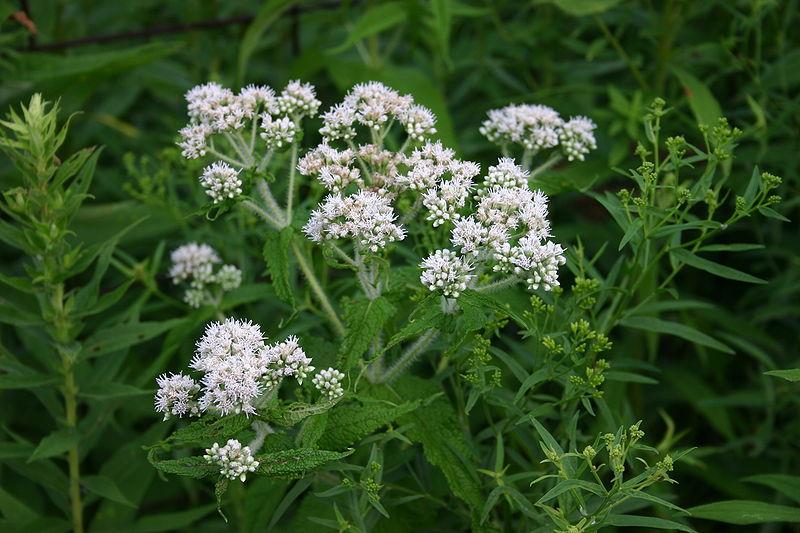
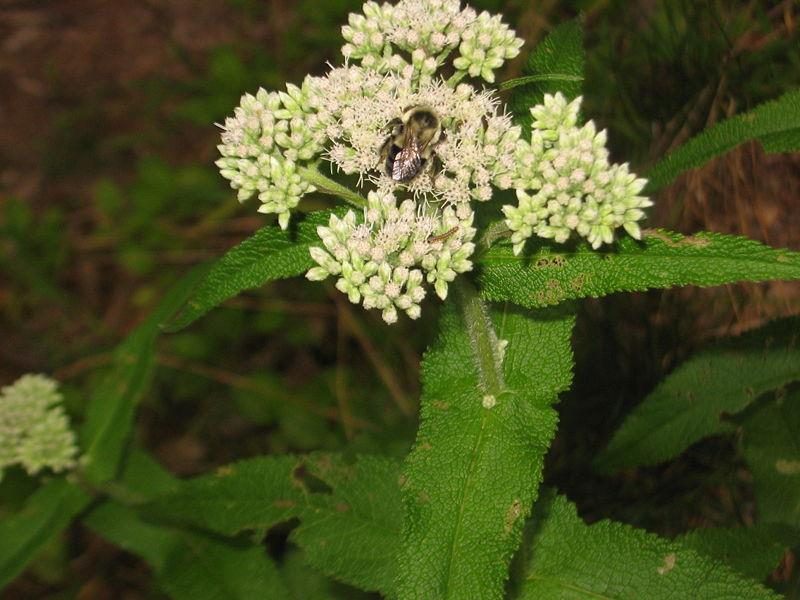
Boneset has erect, hairy stems that grow 2 to 4 feet high and branch at the top. The leaves are large, opposite, and united at the base. They are lance-shaped and 4 to 8 inches long with the lower ones being the largest. Each leaf tapers to a sharp point and has finely toothed edges, and prominent veins. The blades are rough on the top and downy, resinous, and dotted on the underside.
The leaves of boneset are easily distinguished. They are either perforated by the stem or connate; two opposite leaves joined at the base.
The flower-heads of Boneset are terminal and numerous, large and slightly convex, with 10 to 20 white florets, having bristly hairs arranged in a single row. The fragrance of Common Boneset is slightly aromatic, while the taste is astringent and strongly bitter. This plant shows considerable variety in its hairiness, size, form of leaves and inflorescence. Its flowering period is from July to September.
This plant is native to the Eastern United States and Canada, widespread from Nova Scotia to Florida, west as far as Texas, Nebraska, the Dakotas, and Manitoba. This plant prefers moist or wet conditions, rich soil, and full to partial sun. Boneset is found in a variety of wetland habitats across eastern North America from Quebec south to Florida and west to Texas and Manitoba.
Harvesting instructions
I harvest the leaves and flowering stems of Boneset in the summer before the buds open and dry them for later use. Seeds of Boneset ripen about a month after flowering and are collected when the heads are dry, split, and the fluffy seed begins to float away. If seeds are collected earlier, dry the seed heads for 1 – 2 weeks in open paper bags.
Medicinal Use
The major medicinal properties of Boneset include Antispasmodic; Cholagogue; Diaphoretic; Emetic; Febrifuge; Homeopathy; Laxative; Purgative; Stimulant; Vasodilator.
Colds, Flu, Bronchitis, Congestion and Excess Mucus
Boneset is an excellent choice for the treatment of the common cold, flu, and respiratory infections. It discourages the production of mucus, loosens phlegm and helps eliminate it from the body, fights off both viral and bacterial infections, and encourages sweating which helps reduce the associated fever. Patients given boneset early in the disease process have milder symptoms and get well faster. On average, boneset helps patients heal two days sooner than patients who treat only the symptoms. I treat these diseases with one ounce of Boneset Infusion, taken three times daily.
Dengue Fever, AKA Break Bone Fever
Dengue fever thrives in tropical environments, and while it is not yet a problem here in the United States, it is probably only a matter of time before we are fighting it here. Boneset is the herb of choice for fighting dengue. It reduces the fevers and fights the underlying causes of the disease. It also gives the patient some relief from the “bone-breaking” pain. I used it successfully to treat dengue fever during WWII, giving one ounce of Boneset Infusion, three times daily.
Malaria
My Native American friends use boneset to treat malaria. The sweating it promotes helps relieve the fevers associated with malaria and lessens the severity of the disease.
Yellow Fever, and Typhoid
Boneset is helpful in the treatment of yellow fever and typhoid, although not as effective as in the treatment of dengue and malaria. Its main advantage here is its ability to reduce the accompanying fevers.
CautionsDo not use boneset for pregnant or nursing mothers, or for young children.
Boneset Infusion
Take Boneset Infusion hot to relieve fevers and treat colds, flu, and similar diseases. Use it cold as a tonic. Take 1 ounce, three times daily.
Ingredients: 1-ounce dried boneset leaf, 1-quart boiling water, 1-quart jar with a tight-fitting lid.
Instructions: Put the dried boneset leaves into the jar and pour the boiling water over it to fill the jar. Tightly cap the jar and shake it gently to distribute the herb. Let the infusion steep for 4 hours. Strain through a coffee filter or a fine sieve. Warm it before drinking. It is very bitter, but warming it helps.
Chamomile, Matricaria Chamomilla
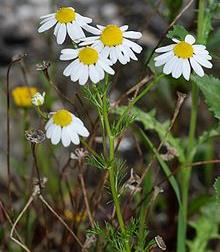
I first began harvesting chamomile as a young boy. It was Aiyana’s favorite remedy, and she taught me early how to harvest the blossoms and leaves.
When the flowers were blooming, we would pick only the most perfect blooms each day, coming back every afternoon to find the flowers at their peak. I became less exacting as I got older, but I still remember Aiyana carefully studying every flower to pick it at its peak.
Chamomile is an ancient remedy still in use today. Its longevity testifies to its usefulness and effectiveness. I think of it as a calming plant, and it does have sedative properties.
Plant Identification
The plant has daisy-like flowers with a hollow, cone-shaped receptacle, and tiny yellow disk flowers covering the cone. The cone is surrounded by more than ten (probably 10 to 20) white, down-curving ray flowers, giving it the ultimate appearance of a miniature daisy.
You can distinguish the plant from similar flowers by the pattern in which the flowers grow, each flower on an independent stem. The most common way of identifying the Chamomile is by plucking a small amount of the blossom and crushing it in between your fingers. Chamomile has a faintly fruity scent.
I find chamomile plants easily along the east coast states. It thrives in open, sunny locations like roadsides, pastures, cornfields, and in well-drained soil. It will not tolerate excessive heat or dry conditions.
Matricaria chamomilla is German chamomile. English chamomile is similar and has similar medicinal uses. The two plants can be distinguished by their leaves. German chamomile leaves appear to be very thin and hairy while those of the English Chamomile are larger and thicker.
The leaves of the German chamomile are also bipinnate; each blade can be divided again into smaller leaf sections. German chamomile stems are somewhat feathery while English Chamomile is hairless.
Depending on the growing conditions chamomile can grow to between 2 feet and 3 ½ feet tall.
Harvesting Chamomile
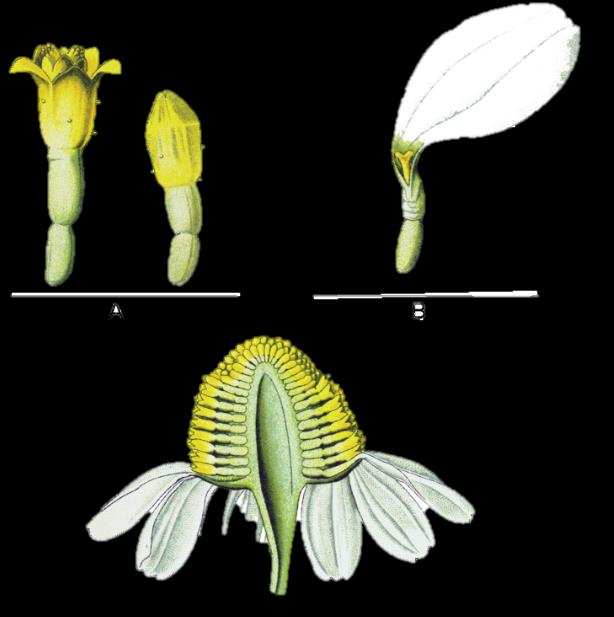
Harvesting of the Chamomile should be done as soon as the flower petals are full, and they lay flat around the center of the flower. Each bloom must be picked at its peak for the best flavor and benefit. I prefer to pick chamomile in the early afternoon, after the dew has evaporated and before the real heat of the day. Select flowers that are fully open and pinch or clip the flower head off at the top of the stalk. Dry the leaves and flowers for future use.
Edible Uses
I collect both flowers and leaves for medicinal use, but the flowers make the best tea. The flowers have a milled apple flavor, while the leaves have a delicate grassy flavor. I also make a delicate liqueur with dried chamomile flowers and vodka.
Medicinal Use
Most often, I prescribe chamomile tea as a treatment. I have had a few patients who preferred taking the remedy as a tincture or as a dried herb. To give chamomile as a dried herb, I divide 2 to 3 grams of dried chamomile into 3 to 4 capsules for the divided daily dose.
Digestive Issues
Chamomile relaxes the muscles, including the digestive muscles. This makes it a good treatment for abdominal pain, indigestion, gastritis and bloating. I have also used it with success for patients with Crohn’s disease and irritable bowel syndrome. I recommend chamomile tea for digestive issues: 1 cup, 3 to 4 times daily.
Colic
Chamomile is safe for use with babies and is my preferred treatment for colic. I recommend adding a cup of tea to the babies bath at night to soothe colic and help the baby sleep.
Muscle Aches
The antispasmodic action of chamomile relaxes muscle tension. It soothes aching muscles and body aches.
Insomnia
Chamomile is soothing and contains sedatives. One cup of chamomile tea, taken at bedtime or during the night, helps patients sleep. If more help is needed, use the tincture.
Eyewash, Conjunctivitis, and Pinkeye
For eye problems, I recommend an eyewash made by dissolving 5 to 10 drops of Chamomile tincture in some boiled and cooled water. This mixture relieves eye strain and treats infections.
Asthma, Bronchitis, Whooping Cough, and Congestion
I prefer a steam treatment for congestion and other respiratory conditions. Add two teaspoons of chamomile flower petals to a pot of boiling water. Inhale the steam until the phlegm is released or the condition is improved. Alternately, add 2 to 3 drops of Chamomile essential oil to a vaporizer and use in the room overnight.
Allergies and Eczema
For allergic conditions, including itchy skin and eczema, I prefer to use Chamomile Essential Oil remedies. The steam distillation process alters the chemical properties of the remedy, giving it anti-allergenic properties. Use the diluted essential oil directly on the skin or inhale it.
WarningsWhile it is uncommon, I have had patients with an allergic reaction to chamomile. Patients with allergies to the Asteraceae family, including ragweed and chrysanthemums, should not take chamomile.
Recipes
Chamomile Tea
Ingredients: 1 to 2 teaspoons of dried chamomile flowers or leaves and 1 cup boiling water.
Pour 1 cup of boiling water over the chamomile flowers or leaves. Let the herb steep for 5 to 10 minutes. Strain, if desired, and enjoy.
Chamomile Tincture
Ingredients: 1 pint loosely packed dried chamomile blossoms, vodka or brandy, or 80 proof or higher.
Place the blossoms in a clean, dry jar with a tight-fitting lid. Pour 80 proof or higher vodka or brandy over the herbs to cover them completely. Cover tightly and place the jar in a cool, dark place. Shake the jar every 2 to 3 days. Watch the alcohol level and add more if needed to keep the herb completely covered. Soak the blossoms for 4 to 6 weeks. Strain the mixture through a fine sieve or cheesecloth. Squeeze out all liquid. Discard the herbs. Place the alcohol extraction in a cool place, undisturbed overnight. Strain again through a coffee filter or decant to remove any remaining herb residue. Store the tincture in a tightly capped glass bottle in a cool, dark place. Use 4 to 6 ml per dose, three times daily, between meals.
Chamomile Liqueur
Ingredients: 1 pint of 80 proof vodka, 1 cup chamomile flowers, 2 tablespoons honey or to taste and zest of one lemon.
Combine all ingredients in a tightly covered jar and allow the mixture to steep for two to four weeks. Strain.
Horseradish, Armoracia rusticana
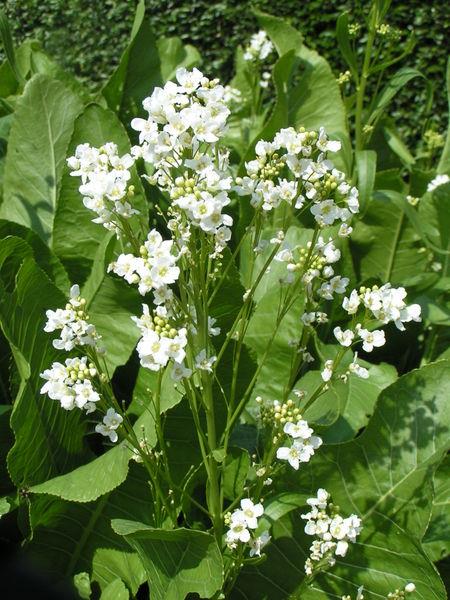
I have to admit that my favorite use for horseradish is as a relish on my roast beef sandwich, But I have become something of a bore on the subject of its medicinal value. Most people are unaware of its use as a medicine, and I end up telling this tale every time I use this tasty condiment.
I was called unprepared into the home of a man who was suffering severely with bronchial congestion and having trouble breathing. I did not have my herbs with me and began to go through my mind how to treat him when his wife opened the refrigerator and offered me a drink. Sitting on the shelf was a nearly full jar of horseradish. As you might guess, I smeared it on his chest and had him eat a heaping spoonful immediately. He thought I was a bit crazy, but before I left, he was breathing easily again.
So many of the foods we eat every day have medicinal value when used correctly, but most people have no clue.
Plant Identification
I’m not sure whether horseradish is native to the US, but it certainly is widely spread. I find it in the wild throughout the country.
Horseradish is a perennial plant that belongs to Brassicaceae Family and genus Armoracia. This plant is a root vegetable that is used as a spice or condiment. It is native to the Southeastern Europe and Western Asia. It is also known as Red Cole. Horseradish is a perennial plant growing up to 2 1/2 to 2 3/4 feet at a fast rate. Its flowering season is from May to June. It is a self-fertile plant.
The roots are thick and fleshy and are medium brown and are smooth to corky on outside. Roots are pure white on the inside and have a spicy flavor. The flowers of this plant are hermaphrodite (both male and female organs) and are pollinated by beetles, flies, bees and self-pollination.
It prefers arable lands and waste grounds. I often find it by streams and in other slightly damp soil.
Harvesting Instructions
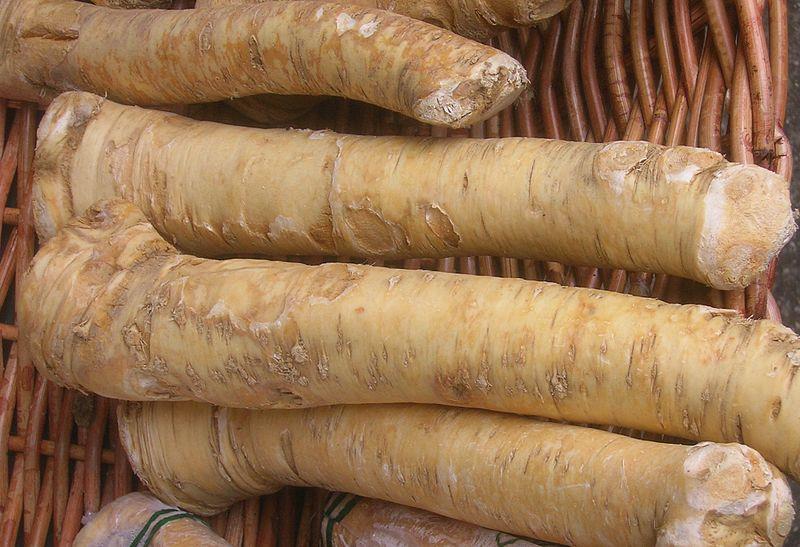
Harvesting starts in November once tops are frozen back and can be continued through the winter when soils are not frozen. Before digging, the dried tops are mowed or cut to the ground if still green.
Roots can be harvested best using a single-row potato digger.
Freshly dug roots release valuable volatile oils and begin to lose potency. To avoid this, store them in a box of moist sand in a cool place. Keep the soil moist. Grate it fresh, as needed. Once grated, use it immediately.
Edible Use
The root, leaves, and seeds are all edible, but the root is most often used.
Medicinal Use:
The roots of this plant are antiseptic, asperient, digestive, diuretic, stimulant, rubefacient and expectorant. It has a number of uses in treatment of health issues. It is a very pungent stimulant herb that controls bacterial infections, and it can be used both internally and externally. This plant is known to be a very powerful stimulant, whether used internally as a spur for digestive system or as a rubefacient, externally.
Colds, Flu, Fevers, and Respiratory Infections
My Horseradish infusion is of great value in the treatment of respiratory problems, colds, flu, and fevers. It is an expectorant, anti-bacterial, and weak diuretic, acting to reduce mucus, rid the body of excess mucus and fluids, and treat the underlying infection.
Urinary Tract Infections
The diuretic and anti-bacterial properties work well against urinary tract infections. Horseradish flushes the bacteria and toxins out of the body.
Arthritis, Rheumatism, Pleurisy, Chilblains
For arthritis, rheumatism, chilblains, and pleurisy, I apply a poultice made from freshly grated horseradish roots or rub the chest with Horseradish Massage Oil, when available. The herb brings blood to the skin surface and increases blood circulation in the affected area. It warms the skin, decreases inflammation, and promotes healing.
Infected Wounds
The anti-microbial agents found in horseradish are beneficial in treating infected wounds. It acts as an antibiotic against bacteria and pathogenic fungi. I prefer to use Horseradish Vinegar for infected wounds.
WarningsThis plant should not be used internally by the people who have stomach ulcers or thyroid problems. Caution should be used when applying horseradish to the skin. It can cause skin irritation and blistering.
Horseradish Vinegar
You’ll need freshly grated horseradish, apple cider vinegar and water. Place finely grated horseradish in a clear glass jar and cover it with apple cider vinegar. Place the jar in a sunny location for ten days. Strain the horseradish and store it in a cool place for later use. When ready to use the vinegar, dilute it with an equal amount of filtered or distilled water. Use horseradish vinegar externally on the skin or scalp.
Horseradish Massage Oil
To make the oil get freshly grated horseradish and cold-pressed olive oil or other suitable carrier oil. Cover the grated horseradish in oil. Cap the jar and allow the horseradish to steep in the oil for a few days. Strain out the horseradish. Use the oil as a massage oil for muscle aches and soreness.
Horseradish Infusion
Ingredients: 1 tablespoon freshly grated horseradish, 1 tablespoon grated ginger, 1 quart of boiling water and lime or lemon juice to taste. Add the ginger and horseradish roots to a container of boiling water. Cover the container and simmer gently for about 1 hour. Remove from heat, cool to drinking temperature and add lemon or lime juice to taste. Drink 1 cup of tea three to four times a day, as needed. Drink warm or cold.
Black-Eyed Susan (Rudbeckia hirta)
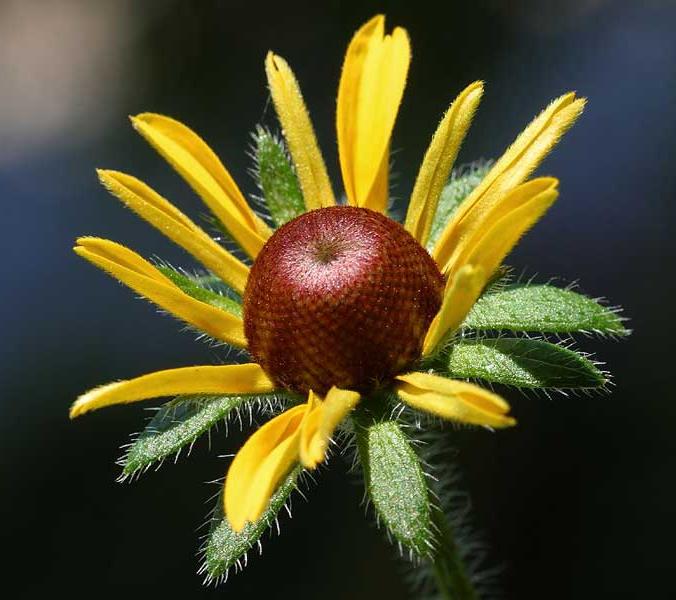
I recognize Black-eyed Susan as a member of the sunflower family, and I’ve been lucky enough to find it throughout eastern and central North America. In some places it is called brown-eyed Susan, brown betty, coneflower, hairy coneflower, gloriosa daisy, poor-land daisy, yellow daisy, yellow ox-eye daisy, or golden Jerusalem. I rely on this herb as a treatment for bacterial infections and skin irritations and I appreciate that I can find it easily in most areas.
Plant Identification
The plant is much like other daisies but differentiated by its attributes.
It is usually an annual; but sometimes a perennial, growing 1 to 3 feet tall and 12 to 18 inches wide. The leaves are alternate, 4 to 7 inches long, and covered by coarse hair. The stems are branching, growing from a single taproot. There is no rhizome and reproduction is by seed only.
Daisy-like composite flower heads appear in late summer and early fall. Flowers are 4 inches in diameter, with yellow ray florets circling a brown or black dome-shaped cone of disc florets.
The plant prefers full sun and moist to moderately-dry soil.
Medicinal Uses
Black-eyed Susan is a traditional Native American medicinal herb used for colds, flu, infection, swelling, and snake bite.
I’ve used the roots, and sometimes the leaves to boost immunity and fight colds, flu, and infections.
Black-Eyed Susan for Colds and Flu
I use a root infusion of black-eyed Susan to treat colds and the flu. Drink Black-eyed Susan Infusion daily until all symptoms are gone.
Black-Eyed Susan for Parasites
The Chippewa people have long used Black-eyed Susan Root Tea to treat worms in children, and I found the remedy to be quite effective. I prescribe between one to four tablespoons of the tea or infusion daily for two weeks, with the amount depending on the size of the child.
Black-Eyed Susan Poultice for Snake Bites
The Chippewa also used a poultice of black-eyed Susan to treat snake bites, but fortunately, I’ve had no need to use it. I was told to moisten chopped leaves or ground root and place over the affected area. Wrap with a cloth and keep it on the wound until the swelling is reduced. I am told you can also wash snakebites with Black-eyed Susan Root Infusion, but I suspect the poultice to be a stronger remedy if an adequate supply of root is available.
Black-Eyed Susan for Skin Irritations
I have found black-eyed Susan root infusion to be very soothing on irritated skin including sores, cuts, scrapes, and swelling. I use the warm root infusion to wash the irritated skin.
Black-Eyed Susan Treats Earaches
When I can get fresh roots, I use the sap or juice as drops to treat earaches. One or two drops in the affected ear treats the infection and relieves pain. Place the drops in the ear morning and night until the infection is completely cleared up.
Stimulates the Immune System
Like Echinacea, black-eyed Susan has immune-stimulant activity. I find that the root extract of black-eyed Susan is more effective than Echinacea in boosting the immune system and treating colds, flu, and other minor illness.
Black-eyed Susan to Treat Tuberculosis
In my study of herbal compounds, I learned that black-eyed Susan contains compounds which act against Mycobacterium tuberculosis, the bacteria that causes tuberculosis. I have used it with good results when the patient took the tea regularly, as prescribed. I recommend 1 cup of Black-eyed Susan Tea every morning and night.
Harvesting Instructions
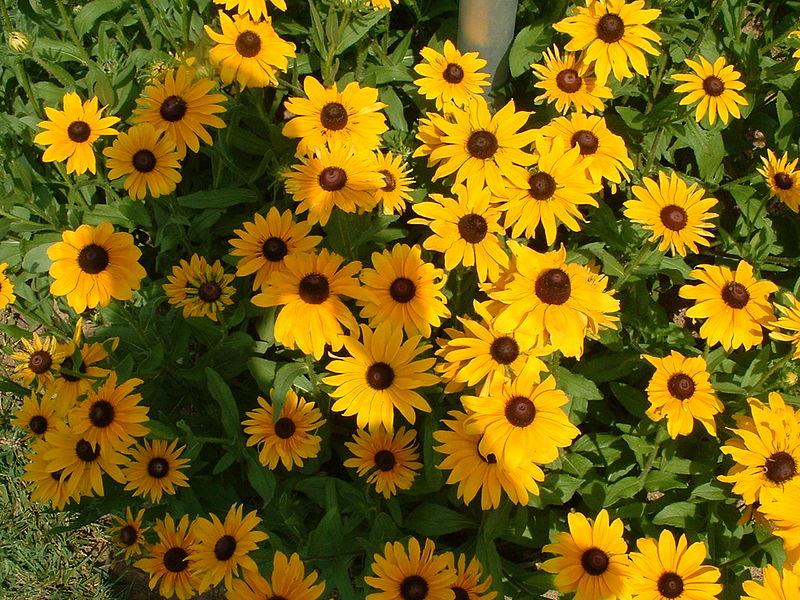
To harvest the taproot, I wait until the plant has produced seeds, then dig the plant up by the root. Black-eyed Susan has one central taproot with hairs, but no other rhizomes. Dig deeply to get the entire root. I use it fresh in season and also dry some root for future use. I like to keep a supply of dried root available for year-round use.
WarningsBlack-eyed Susan plants are toxic to cats and are reported to be poisonous to cattle, sheep, and pigs.
The seeds are poisonous.
Black-Eyed Susan Root Infusion or Tea
Steep 5 teaspoons of crushed dried root in the boiling water for a few minutes.
Strain the infusion to remove the hairy fibers.
Marshmallow, Althaea officinalis
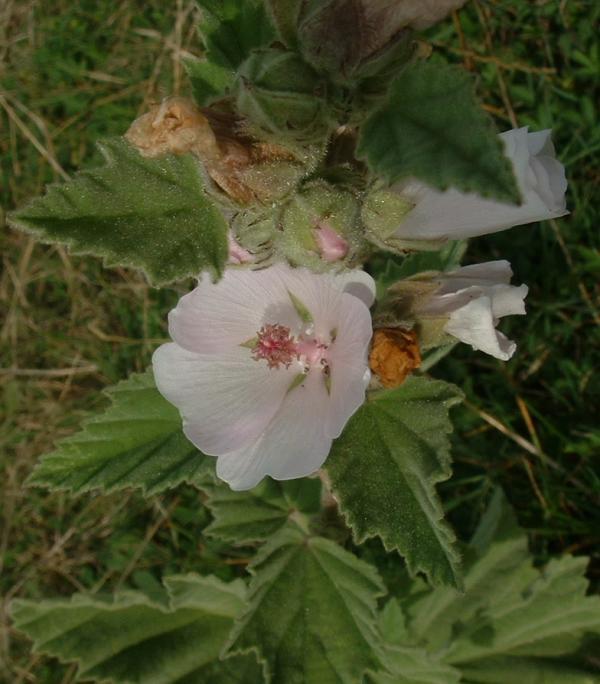
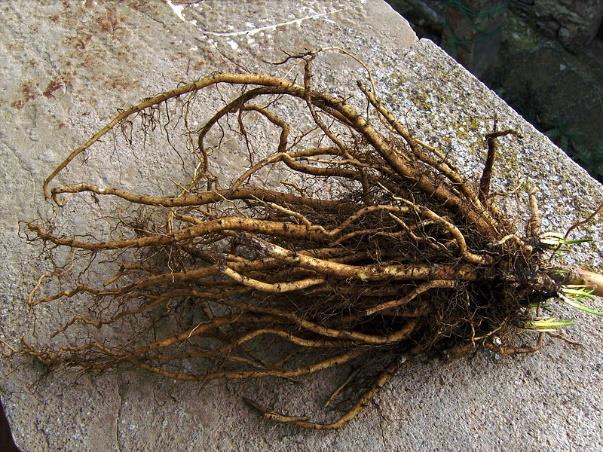
The common marshmallow plant is grown commercially for medicinal use, but it can be found in many places in the US growing wild. In my childhood, Aiyana would make marshmallow candies with the roots, and I absolutely loved it. They had more flavor than today’s supermarket version which is pure sugar.
The plant grows in cool, moist places such as the grassy banks of lakes and streams and on the edges of marshes. I have seen it in New York, Connecticut, Massachusetts, New Jersey, Delaware, Pennsylvania, Maryland, Virginia, Kentucky, North Dakota, Nebraska. Ohio, Michigan, Arkansas, and Wisconsin and it probably grows in other states as well.
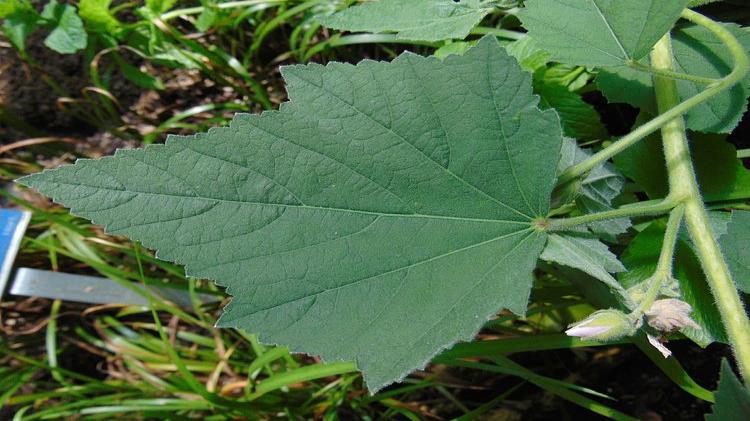
It is a green perennial with large white flowers that bloom from July to September. The plants grow to be from 4 to 6 feet tall and form clumps about 2 1/2 feet in diameter. The leaves vary in shape. Some are spearhead-shaped while others have three or five lobes or may be toothed. They are covered in a fine, velvety fuzz on both sides.
The plant has many branchless stems covered in soft white hairs. The stems have saw-toothed projections. The flowers are somewhat trumpet-shaped, about 2 to 3 inches across and roughly 3 inches deep. The flowers produce seedpods that ripen in August to October, popping open to release small, flat black seeds.
Edible Use
The leaves, flowers, roots, and seeds are all edible. The roots contain a mucilage which is sweet in flavor. They are sliced and boiled for 20 minutes, then removed from the liquid. The remaining liquid is boiled again with sugar to taste and whipped to make old-fashioned marshmallow candies.
Medicinal Use
The roots, leaves, and flowers are used for medicinal treatments.
They are especially valuable for treating problems with the mucous membranes. Dosage: Drink three to five cups of tea daily, either hot or cold. Alternatively, consume up to 5 or 6 grams of powdered marshmallow leaves and root daily. When using the Marshmallow Tincture, take 5 to 15 ml of tincture, three times a day.
Gastritis, Acid Indigestion, Peptic Ulcers, and Digestive Problems
I use the root of the marshmallow plant to treat stomach problems caused by excess stomach acid. It is effective in neutralizing the acid and relieving the symptoms that it causes. For digestive problems, I recommend the use of 5 to 15 ml of Marshmallow Tincture, three times a day. The root also has a moderate laxative effect which makes it useful in treating intestinal problems such as colitis, ileitis, irritable bowel syndrome, and diverticulitis.
Dry Coughs, Bronchitis, Bronchial Asthma, Congestion, and Pleurisy
Because marshmallow is so good at treating the membranes, it makes a good antidote for respiratory problems. It relieves the swelling and irritation of the mucous membrane and calms the respiratory system. It is not an expectorant. I recommend the tincture or tea for respiratory problems.
Teething Pain
Young children can be given a piece of peeled fresh roots to chew on. The chewing stick relieves teething pain and has a mildly sweet taste. Watch closely and replace it before it gets so chewed that it could become a choking hazard.
Skin Irritations, Inflammations, and Swellings
For skin irritations, I use an ointment or cream prepared from marshmallow root and slippery elm, or I make a poultice from the ground dried root of marshmallow. I simply add a little water to make a paste from the powdered root and water, then apply it to the irritation. Both are equally effective, but the ointment seems to be easier for patients and there is no need to worry about it falling off.
Skin Ulcers, Injuries, and for Removing Foreign Objects
My Marshmallow Root and Slippery Elm Ointment is highly effective in healing skin injuries of all kinds. It also helps in the extraction and healing of foreign objects below the skin such as splinters, and particles imbedded in scrapes and cuts.
Urinary Tract Infections and Cystitis
Urinary tract infections and cystitis respond well to a decoction of Marshmallow root. It soothes irritated tissues and relaxes them, which helps with the pain and allows the decoction to work on the infection.
Recipes
Marshmallow Leaf Tea
Use this tea for respiratory diseases. Take 1 teaspoon dried marshmallow leaves and 1 cup water. Bring 1 cup of water to a boil and simmer for 5 minutes. Cool to drinking temperature and drink warm or store in the refrigerator for up to 3 days.
Marshmallow Root Decoction
You’ll need 25 grams marshmallow root, 1 quart of water. Grind the marshmallow root or chop it fine. Bring the water and marshmallow root to a boil and reduce the heat to a simmer. Simmer over low heat until the liquid is reduced by one quarter.
Dosage: Take 2 to 3 tablespoons as needed up to three times daily.
Marshmallow Root Tincture
You’ll need 1 cup finely chopped marshmallow root and 1 pint 100 proof vodka or rum.
Place the finely chopped root in a clean, dry jar with a tight-fitting lid. Pour 100 proof or vodka or rum over the hulls to cover them completely. Cover tightly and place the jar in a cool, dark place. Shake the jar every 2 to 3 days. Watch the alcohol level and add more if needed to keep the roots completely covered. Soak the roots for 4 to 6 weeks. Strain the mixture through a fine sieve or cheesecloth. Squeeze out all liquid. Discard the root pieces. Store the tincture in a cool place.
Aloe Vera
I discovered Aloe Vera much later in my life when I had returned from the war. But once I did, I never looked back because besides being edible it is incredibly effective for so many afflictions.
It’s not native to the US, but it’s been naturalized in many states.
I find it readily in the southern and western states where the weather is warm and I’ve counseled my patients to grow some in pots around their house.
When I was foraging it in the wild here’s what I looked for to make sure I was getting the right plant and not a lookalike.
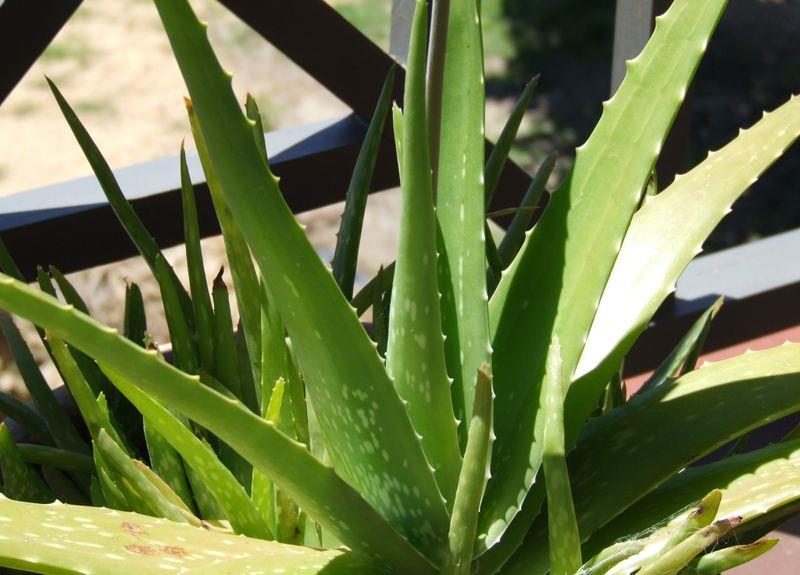
Aloe vera plants are composed of the leaves growing to 2 to 3 feet tall or more. The plant is stemless or has very short stems.
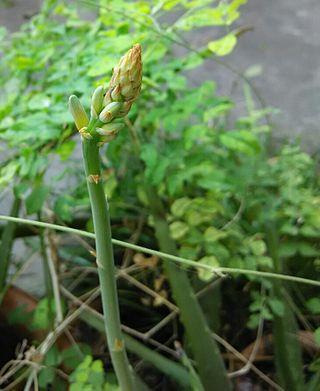
The leaves grow in clumps. Aloe vera leaves are thick, fleshy, and filled with gelatinous sap. The leaves are green to grey-green and may have white flecks on the leaf surfaces. The leaf margins are serrated with small white teeth. Flowers appear in the summer on a tall spike growing from the center of the plant. Flowers range in color from white and yellow to orange and red.
Edible Parts
I have eaten aloe vera leaves raw and cooked. The outer green skin can also be eaten, but I find it bitter and tough. Removing the skin with a sharp knife leaves the meat and gel inside the plant; both are edible.
Aloe is good poached or otherwise gently cooked. Fully cooked, it loses its slimy texture. Some people enjoy raw aloe as juice or by putting a chunk in their water.
Medicinal Uses
I use aloe vera gel, the gelatinous substance inside the leaf, as a relief for sunburn, wounds, and other minor skin irritations. However, it also has internal uses.
How to Use Aloe Vera
For external use, I split the leaf long ways with a knife and scrape the gel from the leaf interior. I most often use it as a soothing salve directly on the skin. For internal use, I recommend 1 to 3 ounces of the gel added to juice, since the gel can be unpleasant and bitter when taken alone.
Aloe Vera for Heartburn Relief and Irritable Bowel Syndrome
I recommend consuming 1 to 3 ounces of aloe vera gel with each meal to reduce the severity of gastroesophageal reflux disease and the associated heartburn. I find it also helps the cramping, abdominal pain, flatulence, and bloating caused by irritable bowels. The juice is soothing on the digestive tract. However, there are some safety concerns, so I recommend aloe only as needed.
As a Treatment for Bleeding or Swollen Gums
Aloe vera extract makes a safe and effective mouthwash that reduces swelling, soothes, and provides relief from bleeding or swollen gums. I recommend adding the gel to the final rinse water and swishing it around, holding it in the mouth for a minute, then spitting it out.
Lowering Blood Sugar in Diabetics
Ingesting just two tablespoons of aloe vera juice or pulp extract daily helps lower blood sugar levels in patients with type 2 diabetes.
Aloe Vera is a Natural Laxative
Aloe vera gel relieves constipation but should be used sparingly. A dose of 40 to 170 milligrams of dried juice is sufficient.
Skin Care
Aloe gel is soothing on the skin and an excellent remedy for sunburn, skin abrasions, infections and other mild skin irritations. It also keeps skin clear and hydrated. I recommend it as a moisturizer and pain reliever.
Cabbage, Brassica oleracea
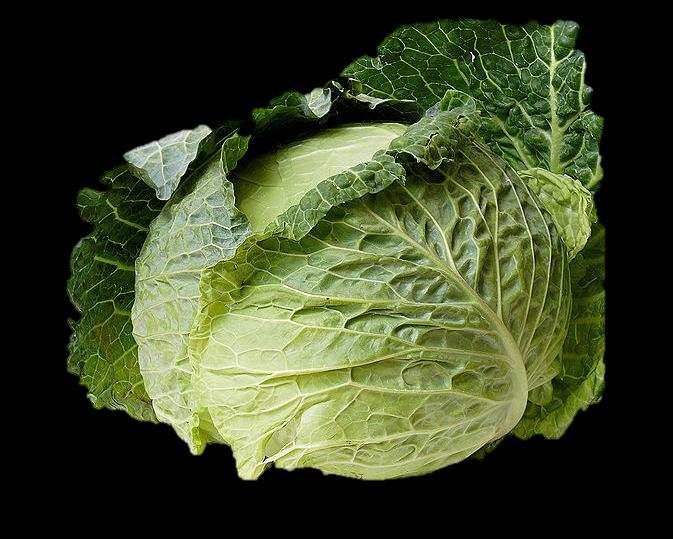
The common cabbage is familiar to gardeners across the country, but many don’t realize how valuable it is as a medicinal plant. The plant is a biennial or perennial, forming a round head that can reach up to 8 feet when fully mature. Most cabbages are harvested long before they reach such a size.
The leaves are gray with a thick stem. Yellow flowers with four petals appear in the spring. The leaves form a head during the late summer of the first year. Cabbage can also be reddish-purple, green, or white. All varieties have the health-giving benefits.
Edible Use
The cabbage is a common vegetable, especially in the winter because it keeps well in the root cellar. It is eaten raw and cooked.
Medicinal Use
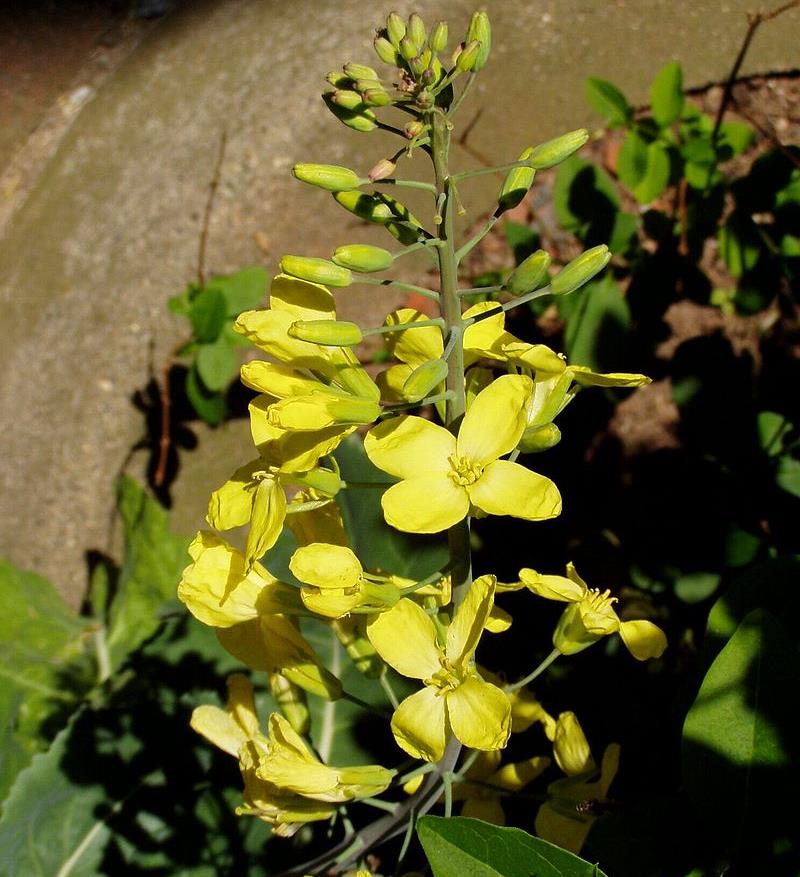
Treating Wounds, Leg Ulcers, Painful Joints, Arthritis, Skin Cancers
I have used cabbage wounds successfully for cleaning wounds and preventing infections. They are also useful to reduce swelling in painful joints and treat skin tumors. I chop the leaves and crush them to release the health-giving juices and heat them through in a small amount of water. I then apply the leaves as a poultice over the affected area. The cabbage detoxifies the skin and underlying tissue, prevents bacterial growth, and reduces inflammation.
Intestinal Problems
Cabbage is useful for treating intestinal problems because of its sulfurous compounds, but I have found the fermented cabbage in the form of sauerkraut is even more effective for treating intestinal problems of all kinds. Patients are advised to eat sauerkraut daily and drink a little of the juice. My Cabbage Decoction can also be used.
Diabetes
I have found that consuming sauerkraut juice, mixed with a little lemon juice helps patients control their diabetes and stabilize their blood sugars. The sauerkraut juice stimulates the digestion and pancreas.
Constipation
Cabbage, cabbage juice, and sauerkraut juice all have laxative properties. For best results, I recommend that patients drink a juice glass of sauerkraut juice mixed with equal parts tomato juice. This combination is powerful and loaded with healthy vitamins, minerals, and enzymes.
Treating Cancer
For treating cancer, especially cancers of the stomach, intestines, pancreas, and prostate, I recommend drinking cabbage juice or sauerkraut juice twice daily. Finely chopped cabbage should also be eaten as tolerated. Both cabbage juice and sauerkraut juice have many different beneficial compounds that fight the cancer and help heal the body. I prefer to alternate between cabbage juice and sauerkraut juice whenever possible so that the benefits of both are realized.
Mastitis, Painful Breasts in Nursing Mothers
For painfully engorged breasts and mastitis, I recommend a poultice made from cabbage leaves. I remove the large central vein from a cabbage leaf and crush or pound the leaf. I want the leaf to remain whole as much as possible, but I want it badly bruised so that the healing sulfur compounds are formed, and the juice is forming. Apply the bruised leaf to the breast or line the bra cup with the leaf. Repeat as needed until the problem is resolved. For mastitis, repeat for several days until the infection is cleared.
Recipes
Cabbage Decoction
Ingredients: 1 cup cabbage leaves, shredded and 2 cups water
Bring the water and cabbage to a boil. Reduce the heat and simmer for 1 hour. Strain the decoction, discarding the cabbage.
Drink 4 ounces at a time, as often as needed.
Chickweed, Stellaria media
Stellaria Media (chickweed) is an annual plant from the family Caryophyllaceae and genus Stellaria. The herb is naturalized to many parts of North America. This herb is sometimes referred to as common chickweed to distinguish it from other plants with the same name. The herb Stellaria media is also referred to as winterweed, maruns, chickenwort, and craches.
It is commonly grown as feed for chickens.
I think most people these days have become more concerned about having a nice grass lawn and have forgotten about the value of a diverse habitat. Unfortunately, chickweed is one of those plants that is often indiscriminately yanked up as a weed. I used to find it everywhere, but now I have to spend a bit of time looking for this useful little herb.
Plant identification
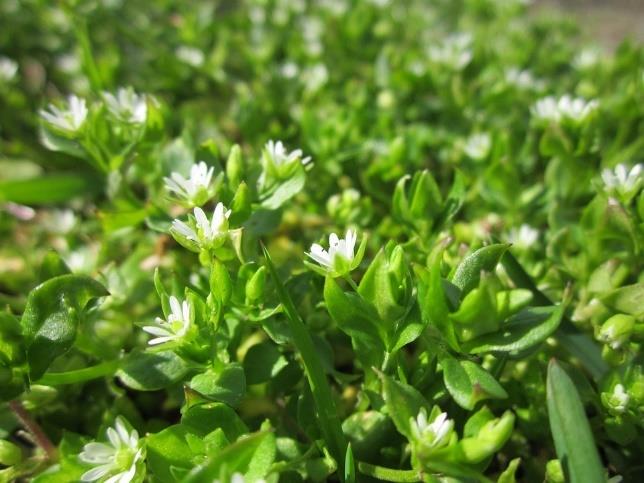
Common chickweed can grow from heights of 2 to 20 inches. It grows in a unique, intertwined manner covering large areas.
It has small white star-shaped flowers. The chickweeds leaves are oval with cup-like tips and are smooth with slightly feathered edges.
The flowers of this herb are small, white and star-shaped. They are produced at the tip of the stem. The sepals are green in color.
Edible Use
The leaves, stem, and flowers are edible. The leaves are used by adding them to sandwiches and raw to salads. These leaves can also be added to stews and soups as well. The flowers and stems can be used cooked as a vegetable or in soups.
Harvesting Instructions
Harvesting of this herb is done early in the morning or late in the evening.
Use scissors or clippers to cut the top six branches. Harvest as many branches as you can then clean them thoroughly. Use them fresh or dry them for future use.
Medicinal Uses
Rheumatism
I make a traditional tea or tincture from this herb as a remedy for rheumatism. Take one cup of tea, twice daily or up to 20 ml of the tincture. It relieves the inflammation and pain of rheumatism. I also recommend adding a strong tea to a warm bath and soaking to relieve rheumatism pains, especially on the knees and feet.
Roseola and Other Rashes
Children and adults suffering from roseola are plagued by an itchy rash. I recommend a poultice of moistened crushed chickweed leaves applied to the rash for relief of pain and itching. Adding a strong tea to the bathwater also helps.
Nerve Pain
Chickweed applied as a poultice has carminative properties that help relieve the pain and tingling caused by surface nerves misfiring.
Constipation and Digestive Problems
I recommend chickweed tea or small doses of the decoction to treat constipation. Be careful not to overdo it with the decoction; it has a strong purgative action. Chickweed also has analgesic properties that act on the digestive system to relieve pain, but it does not treat the underlying causes. Digestive problems are helped by taking small doses over time.
Skin Irritations, Dermatitis, Eczema, Urticaria, Shingles, and Varicose Veins
An ointment or poultice made from chickweed works well for skin irritations, especially on itches and rashes. It relieves the irritation very well and soothes the itch. It is also useful for varicose veins, urticaria, dermatitis, and eczema. For widely spread rashes or when large areas are affected, I tell my patients to add the decoction to their bathwater and take a soak.
Detoxification, Blood Purification, Tetanus, Boils, Herpes, and Venereal Diseases
Chickweed is an excellent detoxification agent and blood purifier. It is useful to draw poisons out of the body in cases of blood poisoning, tetanus, or from poisons entering the blood stream through a wound. For these purposes make a poultice from equal parts chickweed, ginger root and honey. Blend the mixture to a smooth paste and apply it directly to the wound and the surrounding area. Cover the poultice and replace it every six hours.
I also give the patient chickweed powder or tea to treat the problem from the inside out. This same protocol works for the treatment of boils, herpes sores, and other venereal diseases. Give both internal and external remedies for best results.
WarningsSome patients are allergic to chickweed. The herb is considered safe, but it should not be used by nursing women or pregnant women without the approval from a healthcare professional.
Recipes
Chickweed Decoction
Use fresh chickweed whenever possible to make this herbal decoction. It is an excellent internal cleanser and makes a good wash and external agent. You need 1 cup freshly picked chickweed leaves and 1 pint of water.
Bring the water to a boil and add the chickweed leaves. Reduce the heat to low and simmer the leaves for 15 minutes. Cool the decoction and use it internally or externally. The internal dose is 1 to 2 ounces.
Chickweed Tea
Make a traditional tea using 1 teaspoon of the dried herb or 1 tablespoon of fresh chopped chickweed. Pour 1 cup of boiling water over the leaves and cover it while it steeps for 10 to 15 minutes. Consume the entire cup for medicinal purposes.
Couch Grass, Agropyron repens
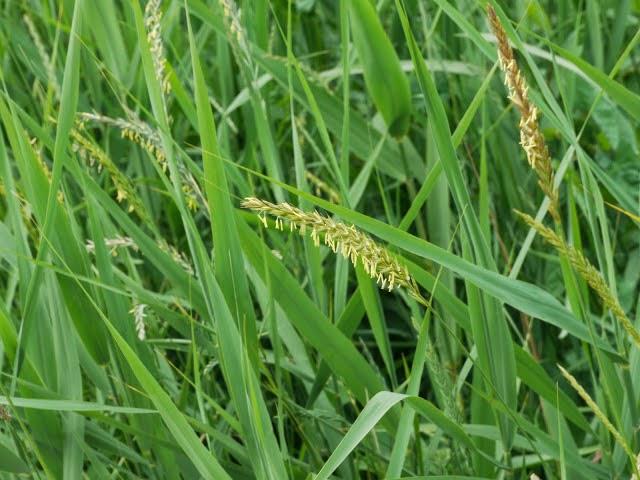
Couch grass, also known as dog grass, quack grass, and witchgrass, is usually considered a weed and a nuisance grass in the United States but is often used for livestock fodder in other places. It grows rapidly to a height of approximately 32 inches.
The crawling tubular root is elongated while the leaves are slender.
Each short stem produces five to seven leaves and possibly a flower spike at the terminal. Each flower spike is composed of oval-shaped spikelets less than an inch long. The flowers appear in late June through August. The seed heads look like a stalk of grain.
The roots are elongated, thin, tubular and whitish in color with yellow ends. Couch grass grows aggressively and is capable of crowding out agricultural crops and is often found on cultivated land. It like loose soils and will die out as the soil becomes compacted. I find it most often in sandy soils on the banks of beaches
Edible Use
The grain has food value as fodder for animals, and I am told that the root is sometimes eaten when food is scarce. I’ve never tried it. The roots can also be ground and roasted to make a coffee substitute.
Medical Use
The rhizomes of couch grass are used to make a tincture, infusion, and a decoction. I use these three preparations as medicine to treat various conditions.
Urinary Tract Problems, Kidney Stones, Cystitis, Gallbladder Diseases
Couch grass is effective at treating urinary tract problems including inflammations, infections, and slow and painful urination caused by muscle spasms of the bladder and urethra. It soothes the mucous membranes and relieves the pain. It is a diuretic that increases the production of urine. It also works to dissolve kidney stones and gravel and treat cystitis and diseases of the gallbladder. I use couch grass in combination with yarrow or bearberry to treat urinary tract infections.
Swollen Prostate
The herb is also effective for treatment of swollen prostate glands. I prescribe either the decoction or the tincture and often combine it with the use of saw palmetto.
Gout
I use couch grass decoction for treating gout. I prescribe 1 teaspoon of Couch Grass Decoction, diluted in a little water, taken three times a day.
Rheumatoid Arthritis
The diuretic properties, anti-inflammatory properties, and analgesic properties of couch grass make it effective in treating rheumatoid arthritis. I find that the infusion or decoction is best for treating rheumatoid arthritis.
Jaundice
The anti-inflammatory properties and diuretic properties, combined with the benefits to the urinary tract and gallbladder, make couch grass a good choice for treating jaundice. It helps the body eliminate toxins and allows it to heal. I prescribe the tincture or decoction for treating jaundice at the standard dosages listed in the recipes below.
Recipes
Couch Grass Infusion
You need 1-ounce couch grass root, chopped and 2 cups boiling water. Add the chopped couch grass root to the boiling water and turn off the heat. Allow the infusion to steep for 1 hour. Drink four to six ounces, twice a day. Store the remaining infusion in the refrigerator for up to three days.
Couch Grass Decoction
Ingredients: 4 ounces couch grass roots, chopped and 1-quart water.
Bring the water and the roots to a boil and reduce the heat to a simmer. Simmer the roots, uncovered, until the liquid is reduced by half, leaving approximately 2 cups of liquid. Store in the refrigerator for 3 days or freeze for longer periods.
Dosage: Give 1 teaspoon, diluted in water, three times daily.
Couch Grass Tincture
You require 1 1/2 cups couch grass roots, chopped and 1 pint 100 proof vodka. First chop the roots and place them in a pint jar with a tight-fitting lid. Pour the vodka over the roots to fill the jar. Cap the jar tightly and shake. Label the jar with the contents and date it. Place the jar in a warm, sunny window and allow the tincture to steep for 4 to 6 weeks, shaking daily. Strain the roots out with a fine sieve or coffee filter. Store the tincture in a cool, dark place for up to 5 years. Dosage: Take ½ to 1 teaspoon of tincture, three times daily.
Dill, Anethum graveolens
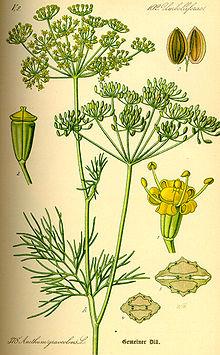
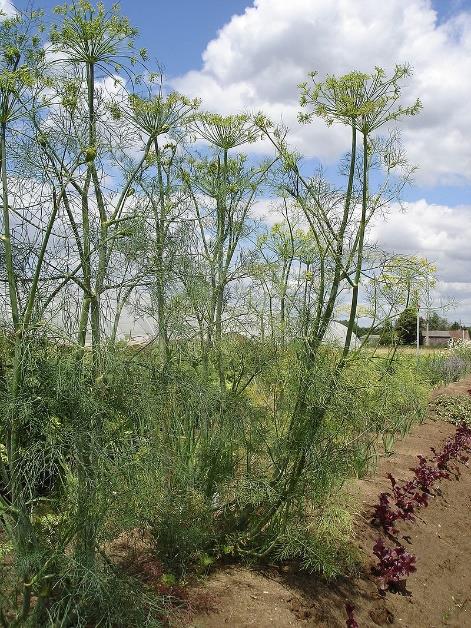
Dill is a familiar aromatic herb cultivated in herb gardens across the country. The plant grows to 30 inches tall with a slender, hollow, and erect stem and feathery leaves. Leaves are finely divided and delicate in appearance, 4 to 8 inches long. They are similar to fennel in appearance.
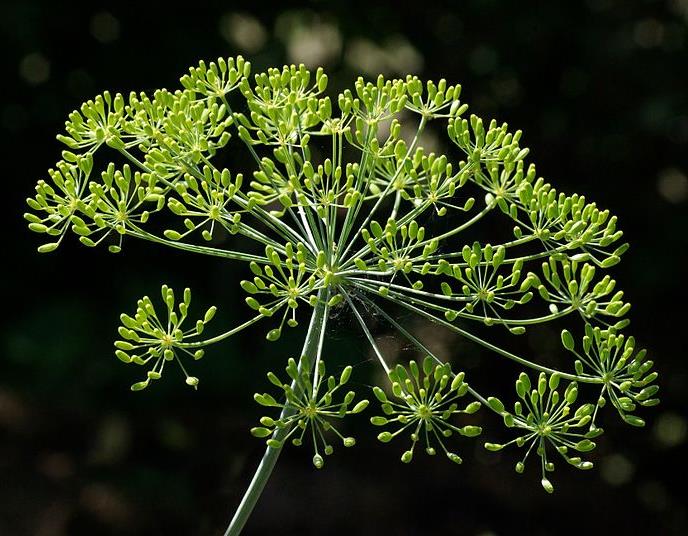
Numerous tiny yellow or white flowers appear on umbrellas that are 3/4 to 3 1/2 inches in diameter as soon as the weather turns hot. The seeds are small, up to 1/5 of an inch long with a ridged surface.
Collection and harvesting
I harvest leaves throughout the summer until the flowers appear in late summer. Gather leaves in the late morning after the dew has dried and use them fresh, freeze them, or dry them for later use.
I collect the seed heads once the flowers are fully open, if needed, or I allow them to completely ripen for seed collection.
The brown seeds are collected and dried for storage.
Edible Use
Dill is widely enjoyed as an herb, especially with fish and in pickles. The leaves, seeds, and stems are edible.
Medicinal Use
Colic
Colicky babies respond well to a dill infusion. The dill soothes the stomach and calms the baby. This is one of my most popular colic remedies because it is easily attained, effective, and known to be safe for the child.
Digestive Issues, Irritable Bowel Syndrome, Menstrual Cramps, and Muscle Spasms
Dill Leaf Infusion relieves cramping and muscle spasms including those in the digestive tract. It relieves the symptoms of painful spasms without treating the underlying cause. I use it to give immediate relief to patients while we look for the causes of the problem. My Dill Seed Infusion or Dill Tincture may also be used.
Stimulates Milk Flow
I recommend Dill Infusion for nursing mothers to increase the milk flow. It has a beneficial calming effect on both mother and child.
Halitosis
Temporary bad breath is easily solved by chewing on dill leaves or seeds; but the problem can be completely alleviated by chewing the seeds daily. Over the long term the seeds attack the causes of the problem and give a permanent solution.
Flatulence
For abdominal flatulence, I recommend Dill Seed Infusion taken before each meal.
CautionConsumption of dill can cause sensitivity to the sun in some people. Patients sometimes have a rash appear after exposure to sunlight.
Recipes
Dill Leaf Infusion
Ingredients: 1 Tablespoon chopped dill leaves and 1 cup boiling water. Pour the boiling water over the dill leaves and cover the cup. Let it steep until cool enough to drink, then strain out the leaves.
Dill Seed Infusion
You need 1 to 2 tablespoons dill seeds and 1 cup water. Bring the seeds and water to a boil, turn off the heat and cover the pot. Allow the infusion to steep for 15 minutes. Cool and strain out the seeds. Take one cup before each meal for digestive issues.
Dill Tincture
Ingredients: fresh Dill leaves, 1/4 cup dill seeds, crushed and 100 proof vodka or other drinking alcohol.
Mix the dill leaves and seeds together. Add the fresh dill leaves and seeds to the jar. Pour 100 proof vodka over the leaves and seeds and fill the jar, making sure all the leaves are covered.
Cap the jar tightly and place it in a cool, but sunny location such as a windowsill. Let the tincture marinate for 4 to 6 weeks, shaking the jar daily. Add more alcohol, if needed to keep the jar full. Pour the alcohol through a fine mesh sieve or a coffee filter to remove all the leaves and seeds. Store the tincture in a cool, dark cupboard for up to 7 years. Dosage: 1/2 to 1 teaspoon, three times daily.
Fennel, Foeniculum vulgare
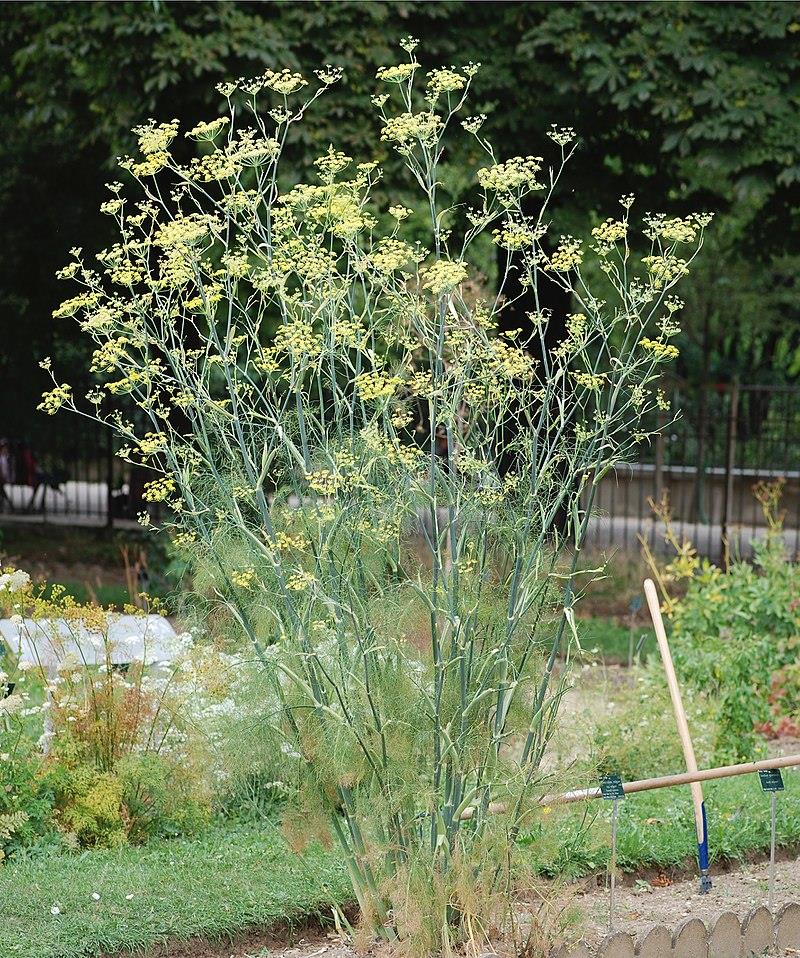
Fennel is a commonly used vegetable in the carrot family. It has a licorice flavor and is highly aromatic. It has escaped cultivation and is widely found across the United States. I grow it in my garden, but I am also able to find it along roadsides, riverbanks, and pasture lands.
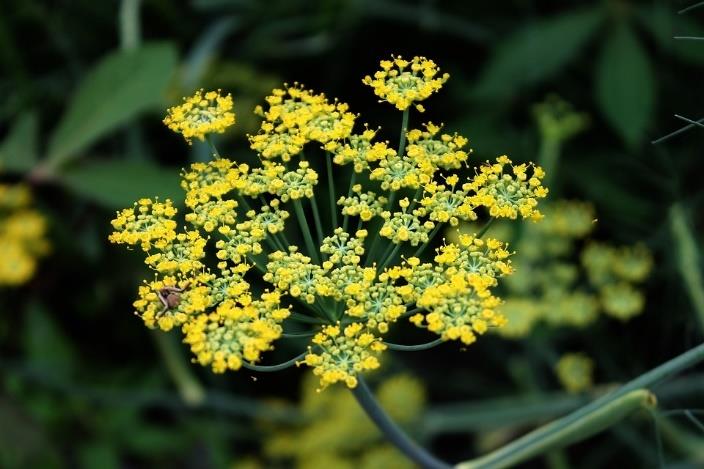
Fennel is a flowering perennial herb with yellow flowers. It looks a lot like dill, except for the bulb. The leaves are feathery, very similar to dill only finer. The stems are erect, smooth and green and grow to a height of eight feet. The leaves are finely dissected with threadlike segments.
Most, but not all varieties form a stem-bulb which sits on the ground or is lifted by a segment of stem. Leaf branches fan out from the stem, forming the bulb. Flowers appear on umbrels, 2 to 6 inches in diameter. The umbrels are terminal and compound, with each section containing 20 to 50 tiny yellow flowers. The fruit is a small seed, approximately 1/5 to 1/3 inch long with grooves along its length.
Harvesting Fennel
Harvest fennel seeds in the fall when they are fully mature. Dry them and store in an air-tight container in a cool, dark place.
Edible Use
The stems, leaves, and seeds are edible. I prefer to roast the bulbs and use the seeds for seasoning.
Medicinal Use
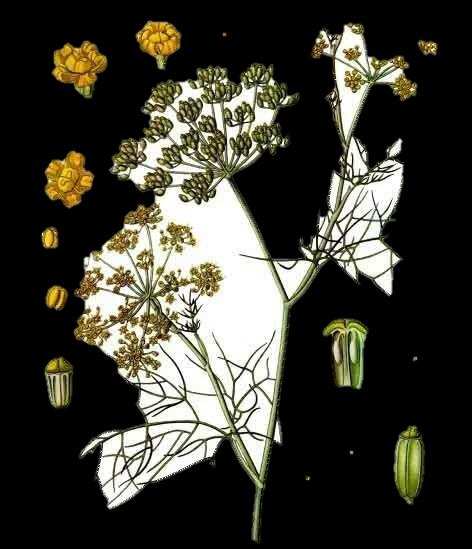
The seeds and root are used to prepare remedies, but eating the plant is also healthy.
Digestive Problems
An infusion made from the seeds is effective in the treatment of digestive problems. I prescribe it after meals for the treatment of indigestion, heartburn, and flatulence or several times daily for the treatment of other digestive complaints. It is also effective for the treatment of constipation and stomach pain. In addition to using the infusion, I encourage patients with digestive problems to add fennel seeds to their cooking.
Nursing Mothers and Colic
For the treatment of colic, I have the mother drink Fennel Infusion. It not only relieves the colic, but it also increases the milk flow. The beneficial ingredients are passed on and relieve colic in the baby. Non-nursing babies can take a spoonful of the infusion to relieve the symptoms.
Sore Throats, Laryngitis, Gum Problems
I also use Fennel Infusion as a treatment for sore throats. I have patients begin gargling with the Infusion to treat the infection and pain. This treatment is also effective for sore gums.
Urinary Tract Problems, Kidney Stones
For urinary tract infections, kidney stones, and other urinary tract problems, I use a decoction of the fennel root.
Skin Inflammations, Hidradenitis Suppurativa
One patient that I prescribed with Fennel for kidney stones also suffered from stage III Hidradenitis Suppurativa. I had never been able to help her with the disease beyond treating the secondary symptoms.
When she began eating fennel in her daily diet, her hidradenitis suppurativa also improved. She experienced a lessening of symptoms of existing lesions and no new lesions.
Although some of her pre-existing lesions remain, she still reports improvement. She ate fennel daily and took the Fennel Root Decoction initially, then continued with eating fennel daily.
Menstrual Problems
Fennel has the ability to regulate the menstrual cycle and the hormones affecting it. I prescribe Fennel Seed Tea for a variety of menstrual problems including cramping, pain and fluid retention and other menstrual symptoms. Fennel contains estrogen-like chemicals that work to restore the hormonal balance.
Detoxifying, Diuretic
Fennel is a strong diuretic and detoxifier. It cleans toxins from the body and flushes them out through the urinary tract. Drink Fennel Seed Tea up to three times daily to detoxify the body and remove excess fluids.
Eyesight, Eyewash, Conjunctivitis, Eye Inflammations
To strengthen eyesight, eat fennel with your meals. For inflammations and eye infections, use Fennel Seed Tea as an eyewash. It treats conjunctivitis, infections and reduces inflammations of the eye.
CautionA few rare patients have had problems with photo-dermatitis while taking fennel seed.
Fennel has hormonal effects and should not be consumed by pregnant women.
Recipes
Fennel Infusion
You need 1 teaspoon fennel seeds, crushed and 1 cup boiling water. Pour the boiling water over the fennel seeds and allow the infusion to steep, covered, for 10 to 15 minutes. Drink 3 cups daily. Take after meals for digestive issues.
Fennel Root Decoction
To make the decoction get 2 ounces chopped fennel root, fresh and 1 quart water. Bring the fennel root and water to a boil and turn the heat down to a simmer. Simmer the decoction for 1 hour. Turn off the heat and strain out the root. Store the decoction in the refrigerator for up to 1 week.
Garlic, Allium sativum
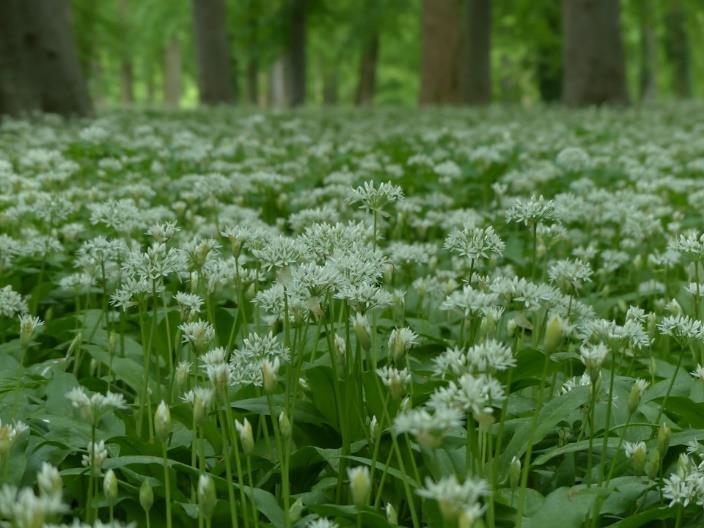
Garlic has strong medicinal value, and it tastes great. Most people would benefit greatly by eating more garlic, no matter how good or bad their health. I use garlic for nearly everything.
Most of the garlic that I use now is cultivated. It is found in nearly every herb garden and kitchen garden across the country and is easily found at supermarkets. Don’t fall for prepared garlic, however. Chop it fresh and make your own garlic products for maximum health.
Plant Identification
The garlic plant grows to about 2 feet tall. It is a bulbous herb with four to twelve long, flat, sword-shaped leaves growing from an underground stem. The bulbs are rounded and contain approximately 15 smaller cloves. Each clove and the bulb is covered by a thin white or pinkish papery coat. Flowers appear in a cluster at the top of a flower stalk that is about 10 inches long. Flower stalks grow from a common point on each plant. The flowers are green-white or pinkish with six sepals and petals, each about 3 mm long. The flowers do not usually accomplish fertilization, and most propagation is by bulbs.
However, bulbils which resemble tiny cloves, often appear among the flowers. Seeds are rarely produced.
Edible Use
The bulbs are the only part of the garlic eaten and are usually used for seasoning or as a condiment.
Medicinal Use
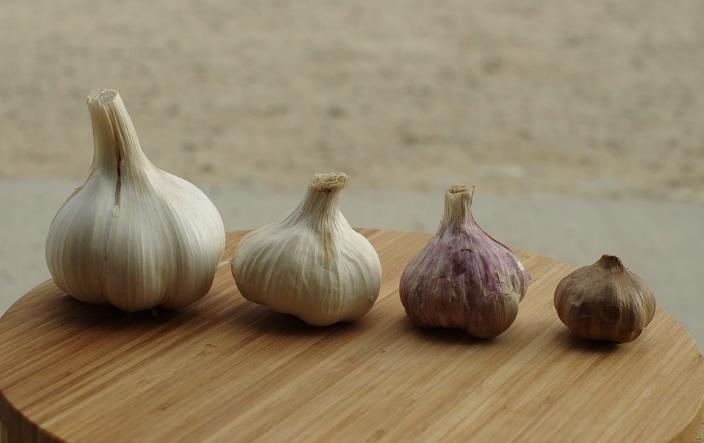
For internal use, I usually recommend that my patients simply eat more garlic in their foods. For best results, garlic should be chopped fine and allowed to rest for 10 minutes or so before cooking. Chopping, and allowing time for the sulfurous compounds to develop in the garlic, will make it more potent.
Some patients and their family members complain of a strong garlic smell in the sweat when consuming garlic. This is a natural response and indicates that the body is using the beneficial components. To alleviate this complaint, eat fresh parsley with the garlic.
Taking Garlic as Medicine
In general, I allow patients to use garlic in any way that best suits them. Patients who don’t like the strong flavor can put it into capsules, but I recommend that patients use garlic fresh and chopped fine or crushed to release the beneficial sulfurous compounds. It can be cooked into food or consumed raw. Patients can also take my tincture. For patients who like garlic, I recommend chewing one whole raw clove at each meal. Patients can also drink garlic juice daily.
Treating Viral, Bacterial, and Parasitic Infections
Components of garlic are a potent antibiotic, antifungal, and anti-parasitic substances that treat these infections as well as penicillin and other antibiotics. I use garlic to treat infections of all kinds, including colds, flu, sore throats, bronchitis, stomach flu, and intestinal worms.
Thrush, Yeast, and Fungal Infections
I use garlic preparations topically to treat thrush infections and other types of yeast or fungal infections. Spread a paste of garlic on the affected area several times a day. I also recommend eating garlic regularly to clear the infection internally.
Digestive Problems
Garlic improves the digestion and is useful to relieve excessive gas, bloating, and other digestive upsets. Take garlic in food with every meal.
Lowers Blood Sugars in Diabetics
Garlic helps lower blood sugar in diabetic patients by improving the function of the pancreas and increasing the secretion of insulin. This helps the body regulate blood sugar levels and alleviates the problems associated with high blood sugar.
To be effective, garlic needs to be eaten at every meal in significant quantities. Adding a couple of cloves of pickled garlic to the meal will usually be enough to get the full benefits.
Bronchitis, Whooping Cough, Congestion of All Causes
Garlic has a strong decongestant effect and expectorant action. It is useful for maladies where phlegm or mucous is a problem. I use it to treat respiratory problems that involve mucous. Garlic also reduces fevers and kills off the underlying infection. It is also useful for bronchial asthma where the breathing passages have swollen making breathing difficult.
Elevated Blood Cholesterol Levels, Blood Pressure
I’ve seen garlic effectively lower blood cholesterol levels in my patients when consumed regularly. And it usually had the added benefits of also lowering their blood pressures and clear plaque from their arteries. Many have escaped a deadly heart attack that way. Their whole-body blood flow improved as well.
Corns, Warts, and Acne
For corns, warts, and acne, I advise patients to rub a paste made from fresh mashed garlic on the affected spot. Garlic actually softens and soothes the skin and kills the viral or bacterial infection causing the problem.
Recipes
Garlic Infusion
Chop or grind garlic cloves and allow them to rest for 10 to 15 minutes before continuing. Place the garlic into a pot and cover with water. Heat the water gently to a simmer, then turn off the heat. Allow the garlic and water to steep overnight.
Use 2 to 4 ml of this infusion, 3 times a day with meals.
Keep the Infusion in the refrigerator for up to three days or in the freezer for up to a month.
Garlic Tincture
Chop 1 cup of garlic cloves fine and allow to rest for 10 to 15 minutes. Place the garlic cloves in a pint jar with a tight-fitting lid. Cover the chopped garlic with apple cider vinegar, preferably with the mother (live vinegar). Allow the jar to steep for 4 to 6 weeks, shaking it several times a week. Take 1 tablespoon of garlic tincture with each meal.
Greater Burdock, Arctium lappa
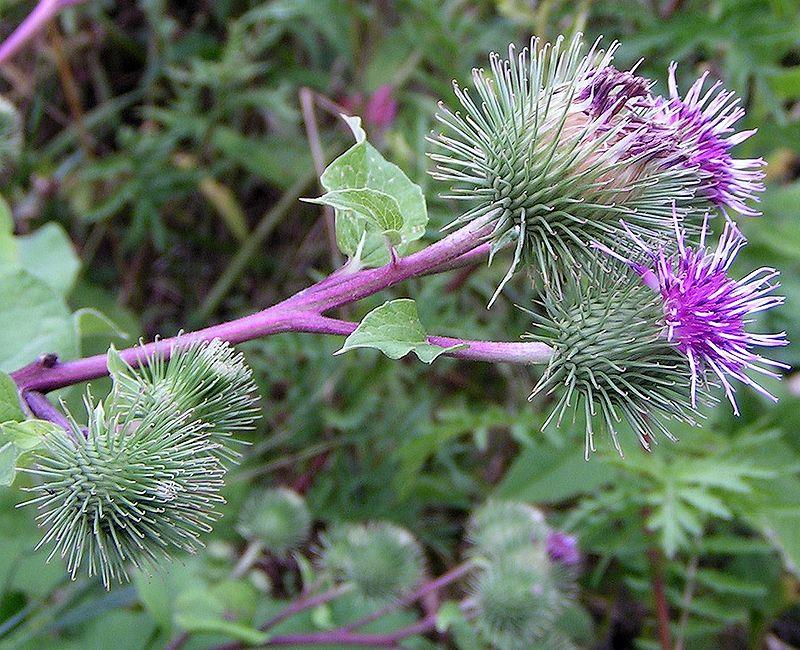
Arctium lappa belongs to Asteraceae family and genus Arctium. It is also commonly known as greater burdock, edible burdock, lappa, beggar’s buttons, thorny burr, or happy major. It is a Eurasian species of plants in the sunflower family and is cultivated in gardens for its root which is used as a vegetable. This plant has become an invasive weed in many places in North America. It’s is a giant weed with so much medicinal potential.
Plant Identification
Greater burdock is a biennial plant. It is rather tall, reaching as much as 3 m (10 ft). Its stems are branched, rough and usually sparsely hairy.
Its flowering time is from July to September. The fleshy tap-root of this plant can grow up to 3 1/4 feet deep.
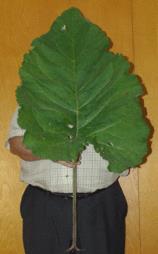
Greater Burdock forms a 1.4—1.6 inches wide, single flower-like flat cluster of small flowers surrounded by a rosette of bracts. This cluster of flowers has disk florets, either red or rarely white and tubular with 5 Stamens. Leaves of greater burdock are generally alternate and stalked. They are blade triangular—broadly oval and usually cordate based, with toothed margins. They have a white-grey-cottony underside.
The fruit is flattish, gently curved and is grey-brown in color. It has dark-spotted achene with short yellow hooked hairs on tip. Greater burdock is found almost everywhere, especially in areas with disturbed soils that are usually rich in nitrogen.
Its preferred habitat is yards and roadsides, around old dwelling areas, trash collection areas, and mills.
Collection and harvesting
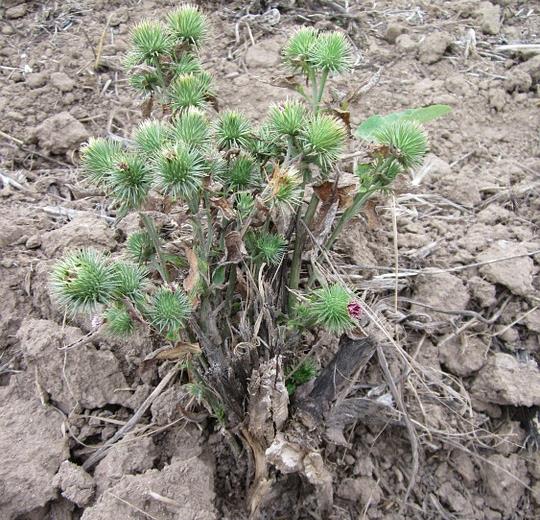
The root must be harvested before it withers at the end of the first year. The best time is after it seeds until late autumn when the roots become very fibrous. Immature flower stalks are harvested in late spring before the flowers appear. Care must be taken when harvesting the seeds. They have tiny, hooked hairs that can latch onto the mucus membranes if inhaled.
Edible Status
The leaves, stems, seeds, and roots are edible. Young roots are good raw in salads, but they become too fibrous as they mature and need to be cooked before eating. The leaves and stalks are also good either raw or cooked. I prefer to remove the outer rind before cooking or eating. The sprouted seeds are also eaten.
Medicinal Use
Greater Burdock is antibacterial, antifungal, carminative, diuretic, hypoglycemic, stomachic, and a blood purifier. It is a powerful detoxifier. The dried root is most often used for medicine, but the leaves and fruit can also be used.
Detoxing
I’ve often used this great herb to eliminate a condition caused by an overload of toxins in my patients, such as sore throat and other infections, boils, rashes and other skin problems. Its root is particularly good at helping to eliminate heavy metals and other resilient toxins from the body.
Cancer Treatment
Greater burdock is known to kill cancer cells. It flushes away toxins from the body, increases blood circulation to normal cells, protects the organs, and improves the health of the whole body. I have used it to treat breast cancers, colon cancer, and even the deadly pancreatic cancer with good results. I feel confident that it would be effective against other cancers as well.
In treating cancer, I have found the greatest success when herbs are used in combination to kill the cancer cells and support the body. I use burdock in combination with sheep sorrel and slippery elm to kill the cancer and detox the body during treatment. I also counsel the patient on eating a highly nutritious diet with a high concentration of vegetables and fruits and limited meats and fats.
Dosage: Mix 1/4 cup of Anti-Cancer Decoction with 1/4 cup of distilled water. Drink 3 times a day: 2 hours before breakfast, 2 hours after lunch and before bedtime on an empty stomach. Wait at least 2 hours after taking the decoction before eating again. The patient should also eat a nutritious diet with high concentration of fruits and vegetables.
Anemia
Greater burdock has a high concentration of iron which is bioavailable. My patients with iron deficiency anemia are able to increase their iron levels rapidly by taking daily supplements of greater burdock powder or eating greater burdock as a vegetable. One to two grams of the powdered root, taken three times daily is enough to build the iron levels in the blood.
Skin Diseases
Greater burdock is a very soothing herb for the skin. It has mucilaginous properties that enhance its ability to cure skin diseases such as herpes, eczema, acne, impetigo, ringworm, boils, insect bites, burns, and bruises.
I tell my patients to use greater burdock tea as a wash and to take it internally to clear the body of the toxins that are causing the skin problems.
For bruises, burns, and sores, I recommend crushing the seed and using it as a poultice on the affected skin.
Diabetes
Greater burdock root helps improve digestion and lower blood sugar in diabetics.
For this use the fresh root is best, but 1 to 2 grams of dried powdered root can also be taken 3 times daily. In my practice, the consumption of fresh burdock root is associated with a decrease of diabetic complications such as diabetic retinopathy.
Strengthens the Immune System and Protects the Organs
This herb strengthens the immune system and the lymphatic system which helps rid the body of toxins and ward off diseases. It also cleans the blood. I recommend Greater Burdock Tea to strengthen the immune system.
It is also beneficial to the spleen and helps it remove dangerous pathogens from the body and cleans and protects the spleen. It improves blood quality, liver health, blood circulation, and fights inflammation.
Stimulates the Kidneys, Relieves Fluid Retention
Greater burdock stimulates the kidneys, helping get rid of excess fluids in the body. This reduces swellings, increases urine output, and flushes waste and toxins from the body. I prescribe Greater Burdock Tea three times daily as a natural diuretic.
Osteoarthritis and Degenerative Joint Disease
The anti-inflammatory properties of greater burdock are powerful enough to reduce the inflammation of osteoarthritis. My patients show remarkable improvement when they consume three cups of Greater Burdock Root Tea daily. Improvement is slow and steady, taking about two months to achieve maximum benefits.
Sore Throats and Tonsillitis
For acute tonsillitis and other sore throats, I recommend Greater Burdock Tea, taken three times daily. It relieves the pain and inflammation, relieves the cough, and speeds healing. The greater burdock also acts as an antibacterial to kill the harmful bacteria and cure the infection.
Recipes
Anti-Cancer Decoction
To make 1 gallon you need 1 ounce greater burdock root, powdered, 3/4 ounces sheep sorrel, powdered, 1/4 ounces slippery elm bark, powdered and 1 gallon distilled water.
Equipment: 8 pint canning jars and lids, sterile, Large pot, capable of holding 1 gallon or more, with a tight-fitting lid and boiling water canner.
Bring the greater burdock, sheep sorrel, and slippery elm bark to a boil in 1 gallon of distilled water, tightly covered. Boil the herbs, tightly covered, for 10 minutes, then turn off the heat and stir the mixture. Cover tightly and let the decoction steep for 12 hours, stirring again after 6 hours. After 12 hours, bring it back to a boil and pour it through a fine mesh strainer or a coffee filter. Pour the decoction into pint jars while still hot, leaving ½ inch headroom. Cap the jars. Process the jars in a boiling water bath for 10 minutes. The decoction will keep for 1 year in sealed jars. Store in the refrigerator after opening.
Dosage: Mix 1/4 cup of the decoction with 1/4 cup of distilled water. Drink 3 times a day: 2 hours before breakfast, 2 hours after lunch and before bedtime on an empty stomach. Wait at least 2 hours after taking the decoction before eating again.
Greater Burdock Tea
To make the Burdock tea you need 2 Tablespoons coarsely chopped fresh burdock root and 3 cups water. Bring the burdock root and the water to a boil. Lower the heat and simmer for 30 minutes. Turn off the heat and let the tea steep for another 20 minutes. Serve hot. Drink one cup, three times daily, or sip throughout the day for detoxing.
Lavender, Lavandula angustifolia
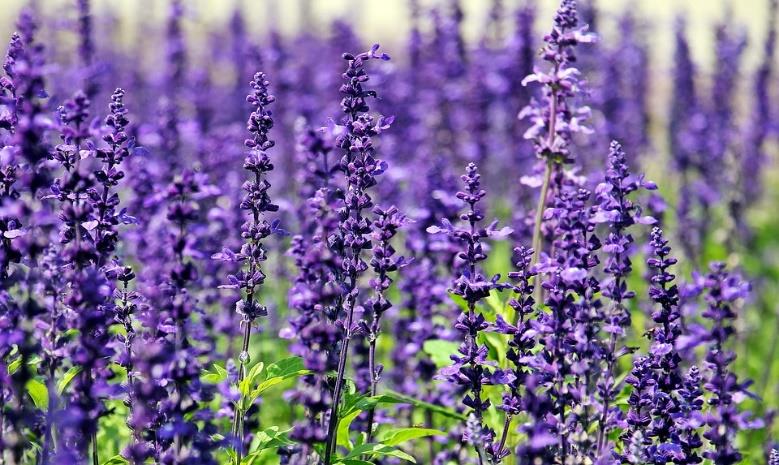
Lavandula angustifolia, common lavender, belongs to Family Lamiaceae and genus Lavandula. It is also known as garden lavender, common lavender, narrow-leaved lavender, true lavender or English lavender.
Plant Identification
The common lavender variety grows 1 to 3 feet high in gardens, occasionally somewhat taller and with a short, but irregular, crooked and much-branched stem that is covered with a yellowish-grey bark, which comes off in flakes. It has numerous, erect, straight, broom-like, slender, bluntly-quadrangular branches, finely pubescent, with fine hairs.
The leaves of Lavender are opposite, sessile, entire, linear and blunt. When young, they are white with dense stellate hairs on both surfaces and their margins strongly revolute. When full grown, they are 1 1/2 inch long, green with scattered hairs above and the margins only slightly revolute.
The flowers of Lavender are produced in terminating, blunt spikes from young shoots on long stems. The spikes are composed of whorls of flowers, each composed of from 6 to 10 flowers, and the lower whorls are more distant from one another. The flowers of Lavender are themselves very shortly stalked, 3 to 5 together in the axils of rhomboidal, and brown, thin, dry bracts.
The calyx of Lavender is tubular and ribbed, with 13 veins, purple-grey in color, 5-toothed (one tooth is longer than the others) and hairy. The shining oil glands amongst the hairs are visible through a lens. Most of the oil yielded by the flowers is contained in the glands on the calyx. The two-lipped corolla is a beautiful bluish-violet color.
It mostly lives and prefers dry grassy slopes amongst rocks, in exposed, usually parched, hot rocky situations often on calcareous soils. While not native to the United States, it is now grown in most states and spreads wild in many warm, dry areas.
Harvesting instructions:
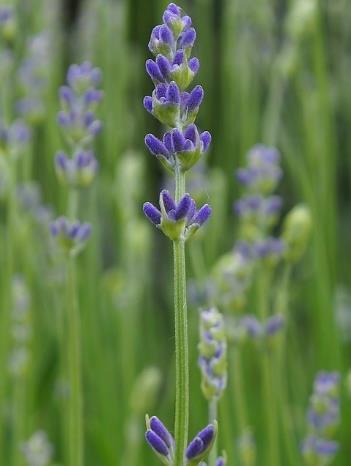
I usually go out looking for Lavender when the weather is dry and there is no wind. The morning and evening of a fine day are particularly favorable to the flower gathering because many of the oils are dissipated during the heat of the day. Lavender stems are cut at the base of the plant with a pair of scissors or pruning shears.
Edible Use
Several parts of lavender are edible including the leaves, flowering tips, and petals. They can be used as a condiment in salads, soups, and stews. They have an aromatic flavor that comes through nicely in tea made from fresh or dried leaves.
The fresh flowers are added to ice-creams, jams, and vinegars as a flavoring. Oil from the flowers is also used as a food flavoring.
Medicinal Use:
Medicinal properties of this plant include Anti-anxiety, Anti-halitosis, Antiseptic, Antispasmodic, Appetizer, Aromatherapy, Aromatic, and Carminative, Cholagogue, Diuretic, Nervine; Sedative, Stimulant, Stomachic, Tonic.
Aromatherapy
Lavender is an important relaxing herb, having a soothing and relaxing effect upon the nervous system. In most cases, all that is required is to breathe in the aroma from the oil. The aromatherapy is all that is needed to relax the body, relieve stress, calm the nervous system, and ease headaches. The same effects can be achieved by adding whole fresh or dried flowers to the bathwater or placing the flowers under the pillowcase at bedtime.
Aches and Pains
Its relaxing effects extend to the muscular system as well. A massage with lavender oil can calm throbbing muscles, relieve rheumatism pain, ease and help heal sprains and strains, and relieve backaches and lumbago pain. The oil also contains analgesic compounds that help ease the pain from muscle related stress and injuries.
Kills Lice and Their Nits
The essential oil of lavender nourishes the hair, gives it a nice shine, and makes it smell wonderful. However, it also helps keep the hair free from lice.
Use the essential oil, diluted with a carrier oil such as coconut oil or olive oil, to coat the scalp and hair completely. Give it an hour to soak in and do its magic. Then wash away the oil and use your nit comb. From this point forward, add a drop or two of lavender oil to your shampoo or rinse water to keep lice away.
Respiratory Problems
Lavender essential oil is an excellent treatment for respiratory problems like colds, flu, sore throats, coughs, sinus congestion, asthma, laryngitis, bronchitis, whooping cough, and tonsillitis. Apply it topically to the skin on the chest, neck, and under the nose where it will be easily breathed; or add it to a vaporizer or a pot of steaming water. The nicely scented steam opens the air passages and loosens phlegm while it kills the germs that cause the infection.
Urinary Tract Infections, Cystitis and Retained Fluids
The diuretic effects of lavender help it to flush the body from excess fluids and toxins and relieve swellings that may be present. As the fluid is removed, the oil also exerts an antibiotic influence which kills any underlying infection, and it removes toxins which may also be causing problems. For these purposes, I recommend lavender tea, taken 2 or 3 times a day.
Lowering Blood Pressure
Removing excess fluids help lower the blood pressure and reduce swellings of all kinds, and the relaxing effects of the lavender help get rid of stresses that may be contributing to the problem. For blood pressure control, I recommend two to three cups of lavender tea daily or 5 ml of tincture.
Recipes
Lavender Tea
You’ll need one teaspoon of dried lavender or 1 tablespoon of fresh lavender flowers or leaves and 1 cup of boiling water.
Pour the boiling water over the lavender and cover it to keep it warm. Let the tea steep for 10 to 15 minutes to absorb the medicinal qualities. Strain it, and drink warm several times daily.
Lavender Tincture
Ingredients: 1 ½ cups of chopped lavender flowers, stems, and leaves, 1 pint 100 proof vodka or brandy. Place the lavender in a glass jar and cover with vodka. Seal the jar tightly and place it in a cool dark place to brew. Allow the tincture to steep for 4 to 6 weeks, shaking the jar daily. Strain the tincture through a coffee filter. Store it in a cool, dark place for up to 3 years.
Leeks, Allium porrum
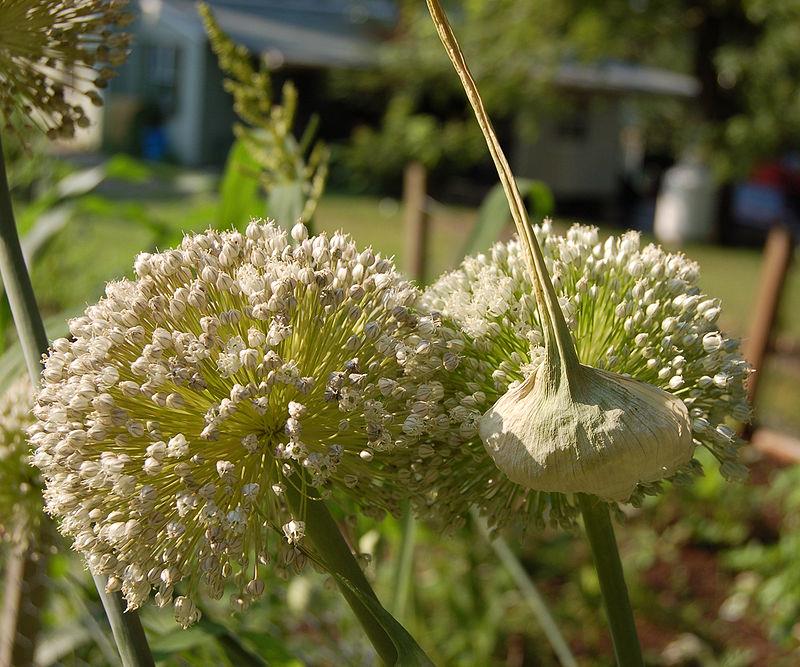
Leeks belong to the onion family, also known as the Alliaceae family. It is eaten as a vegetable and is quite tasty roasted or in soups. The flavor is mild compared to most members of the onion family.
Plant Identification
The leak grows from a compressed stem with leaves wrapped in overlapping layers and fanning out at the top. Commercial leeks are white at the base, caused by cultivation methods of piling soil at the base of the stem. Wild leeks will not exhibit this blanching.
Shallow, fibrous roots grow from the stem plate, and the plant grows upward reaching approximately 3 feet. If left in the ground, it produces a large umbrel of flowers in the second year. The flowers produce small black, irregular seeds. The flower appears from July to August and has both male and female parts. I’ve often found this plant in sunny locations even as temperatures plummeted as it is tolerant to frost.
Edible Use
The leek is used extensively around the world as a vegetable and as a flavoring. It contains health-giving vitamins, antioxidants, and minerals and is low in calories and high in fiber.
Medicinal Use
Heart Disease, High Blood Pressure, Lowers Cholesterol
Leeks are beneficial to the heart and circulatory system in a number of ways.
They contain enzymes that help reduce the harmful cholesterols in the body while increasing the beneficial HDL cholesterols. They also relax the blood vessels, arteries, and veins, reducing the blood pressure and they reduce the formation of clots and help break down existing clots. In these ways, they reduce the chances of developing coronary heart disease, peripheral vascular diseases, and strokes. Consuming leeks on a regular basis conveys these beneficial properties.
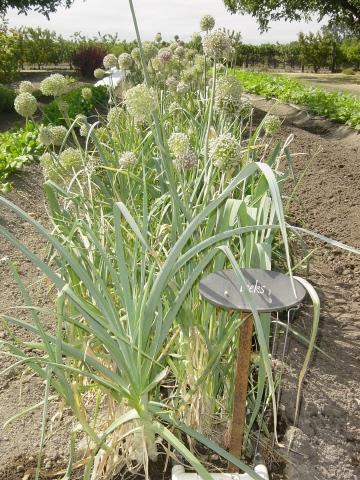
Stabilize Blood Sugar Levels
Leeks help the body maintain a steady blood sugar level by helping the body metabolize the sugars. Leaks also contain nutrients that also benefit blood sugar levels. I advise diabetic and pre-diabetic patients to eat leaks regularly as part of their healthy diet.
Anti-Bacterial, Anti-Viral, and Anti-Fungal Properties
Eating leaks regularly and often during infections helps your body fight these infections and eliminate them from the body. Leeks have anti-microbial properties similar to those of garlic and onions that help the body fight internal and external infections. I recommend that patients eat an extra portion of leeks with meals when fighting infections. For external infections, chop the leaks finely and use them as a poultice on infected tissue.
Prevents Cancer
Plants in the Alliaceae family have multiple cancer-fighting properties, and leeks are included. Eating leeks on a regular basis reduces the chances of prostate and colon cancers. Patients who eat a lot of leeks also have fewer ovarian cancers.
Eat Leeks During Pregnancy
Leeks contain high levels of folate which is beneficial for the developing fetus and prevents several different birth defects of the brain and spinal cord.
Anemia
Leeks are also high in iron and therefore beneficial for treating iron deficiency anemia. They also contain significant levels of vitamin C which helps the iron absorption in the body.
Gout, Arthritis, Urinary Tract Inflammation
Arthritis, gout, and urinary tract problems benefit from the anti-inflammatory and antiseptic properties of leeks to treat these diseases. High doses of leeks are best, so I recommend eating several servings daily or drinking the juice of the vegetable.
Regular Bowel Movements
The high concentrations of both soluble and insoluble dietary fiber in leeks helps the function of the intestinal tract. They facilitate digestion and reduce bloating and associated pain.
Whole Body Cleanse
Drinking leek juice regularly helps cleanse the body of toxins and waste products.
WarningsLeeks contain oxalates which may crystalize in the body to cause kidney stones and gravel in the gallbladder.
Lemon Thyme, Thymus citriodorus
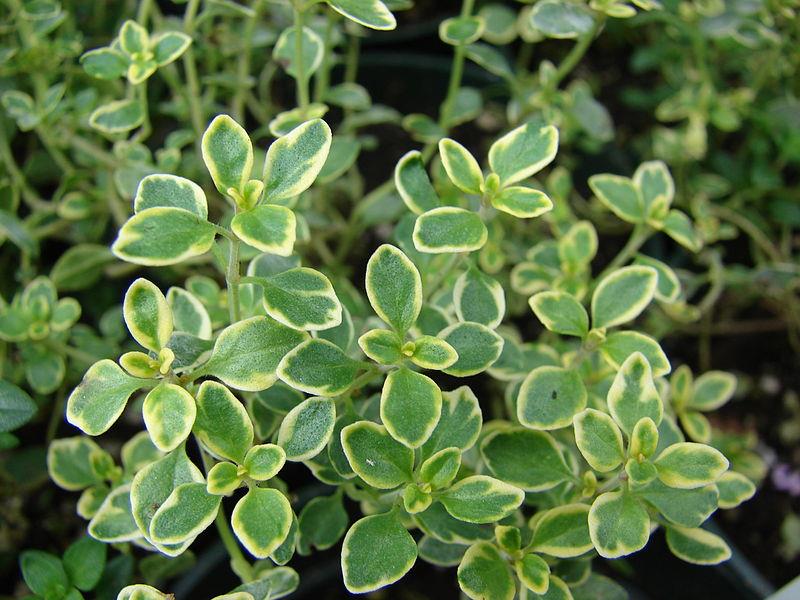
Lemon thyme is also called citrus thyme, but the lemon name fits it well. It is easy to recognize lemon thyme by its aroma and flavor which are both very much like lemon. I love the smell of lemon thyme and often use freshly cut stems as an air freshener. However, even better than the smell is the relaxing benefits and medicinal value of the herb.
Plant Identification
Lemon thyme is an evergreen perennial that grows as a mat on the ground. It grows to a height of 4 inches and spreads to over a foot away. Its appearance and growth habit is close to that of English thyme.
The leaves are shiny-green with a pale-yellow border around the margins. Some plants have more lemon-yellow leaves or green leaves with pale yellow splotches.
The plant produces flowers in mid to late summer. Flowers may vary from pink to lavender and attract butterflies and bees.
Edible Use
Lemon thyme is used widely in cooking to flavor chicken, fish, and vegetable dishes and to make a relaxing tea.
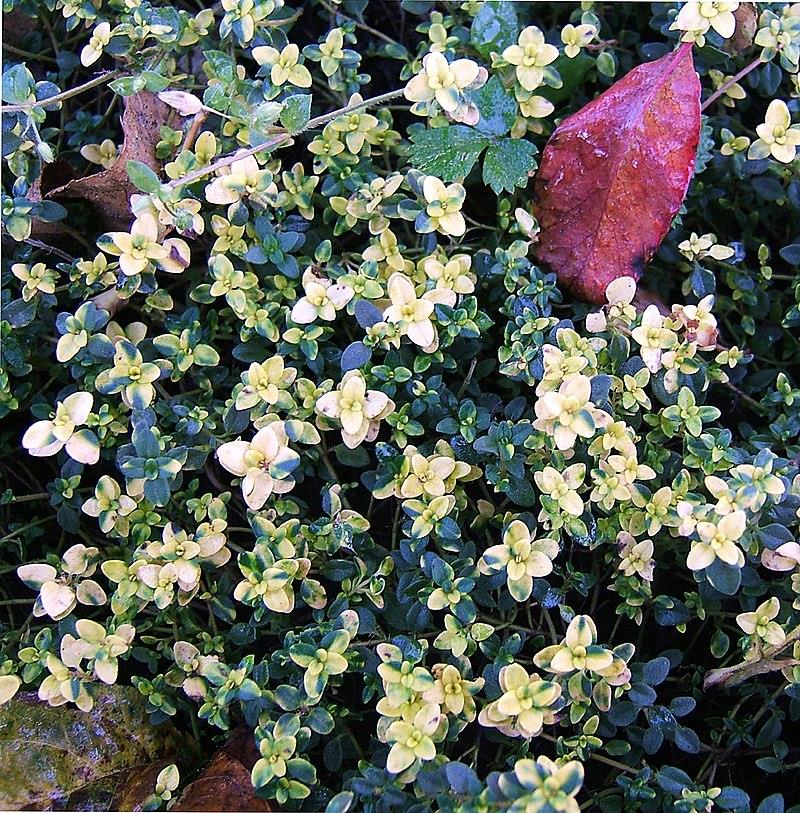
Immune Function
Lemon Thyme Tea is a relaxing drink that is effective in the treatment of infections and boosting the immune system. It makes a good tonic for regular use.
Viral, Bacterial, and Fungal Infections
The anti-microbial properties of lemon thyme make it effective in the fight against most bacterial, fungal, and viral diseases. I prefer to recommend Lemon Thyme Tea for internal use in fighting infections.
Respiratory Problems, Asthma, and Releasing Congestion
Lemon thyme contains many different beneficial compounds for general health and for respiratory health. It is anti-microbial and decongestant. It opens the airways to help asthmatics breath better and to allow phlegm and other mucous to be released from the body.
Aromatherapy for Asthma
Asthma patients find relief by placing a small pillow filled with dried lemon thyme under their regular pillow. Sleeping on this pillow releases the oils that open the airways and induce better sleep.
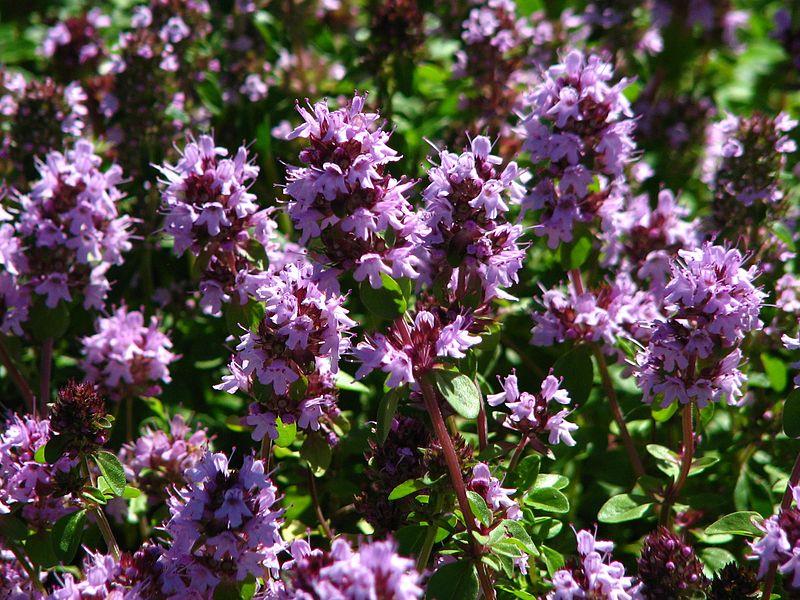
Lemon Thyme Tea
You’ll need 1/2 teaspoon of dried lemon thyme or 1 teaspoon of fresh lemon thyme leaves, 1 cup boiling water and honey, optional. Pour the boiling water over the lemon thyme leaves and allow the tea to steep for 5 to 10 minutes. Strain the tea and drink warm. Add honey as desired for sweetening. Drink two to three cups daily.
CautionsLemon thyme causes allergic reactions in highly allergic patients.
Do not give lemon thyme tea during pregnancy or while nursing.
Lemon Verbena, Aloysia triphylla
Oh, how I love lemon verbena. I love to crush a stalk in my hand and breath in the fragrance and flavor. It immediately lifts my mood and soothes away the stresses of the day. The herb is highly aromatic with an herbaceous lemony scent.
Plant Identification
Lemon verbena is readily identified by its scent and the plant growth. It grows to a height of 6 to 15 feet in good soil. It has thin, pointed leaves that are about 3 to 4 inches in length. The leaves are shiny and coarse to the touch.
The flowers are light purple and grouped on the stems. They appear throughout the summer.
Harvesting
I look for plants that grow in full sun and are highly aromatic. These shrubs have higher amounts of the beneficial oils.
Edible Use
Lemon verbena leaves are useful as a flavoring or as an addition to salads. It has a mild lemon flavor.
Medicinal Use
I use lemon verbena both internally in the form of an herbal tea and externally as a poultice, oil, or wash.
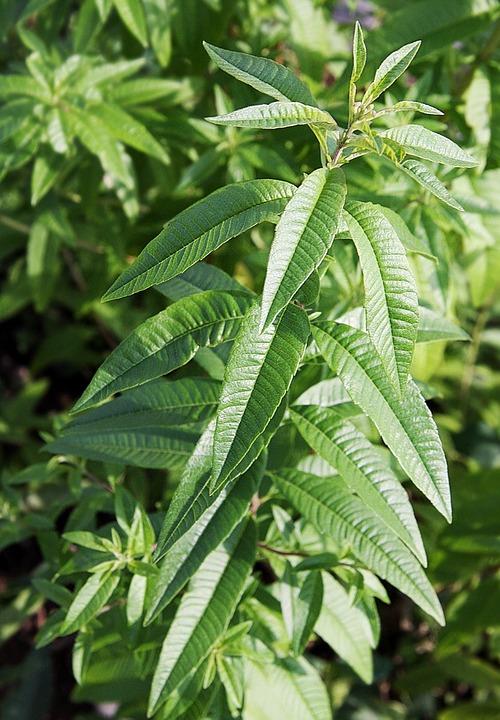
Bronchial Congestion
I recommend a tea made from lemon verbena to treat bronchial and nasal congestion. It loosens phlegm, acts as an expectorant, and calms the system.
Both are effective for relieving congestion. Do not use lemon verbena tea before driving or operating heavy machinery, it has a mild sedative effect.
Staph Infections of the Skin
Staph infections can become serious quickly if left untreated. Fortunately, lemon verbena works quite well for staph infections of the skin when treated quickly. It prevents the infection from spreading and kills of the existing bacteria. For this purpose, I use Lemon Verbena Tincture made with 100 proof alcohol, applied to the skin. When the extraction is not available, a poultice of freshly crushed lemon verbena is applied.
Rheumatism, Arthritis, Bursitis, and Joint Pain
My patients with joint pain have been able to find significant relief from taking lemon verbena tea. It takes time for the effects to build, but over a period of two to three month of taking the tea twice daily, patients report that joint pain is gradually reduced and significant improvement is gained.
Digestive Issues
I prescribe Lemon Verbena Tea for digestive problems because of its soothing effect on the digestive system. It relieves indigestion and calms the stomach and intestinal spasms to relieve cramping and bloating. I recommend drinking a cup of tea after meals.
Calms Anxiety
I can feel the calming effects of lemon verbena just walking through a field of it or crushing a few leaves. However, for serious anxiety issues, I recommend the Lemon Verbena Tea. It soothes the nervous system, relieves stress, and lifts the mood.
Harvesting Lemon Verbena
Lemon verbena likes rich soil and plenty of sunlight. I collect the leaves throughout the year, but I prefer to pick as many as possible before the herb blooms. Extra leaves are dried for future use and are equally beneficial in dried form.
Recipes
Lemon Verbena Tea
1/4 cup lemon verbena, fresh and crushed, 2 cups boiling water.
Pour the boiling water over the herb and allow it to steep for 5 to 8 minutes. Strain and Drink 1 cup.
Lemon Verbena Tea with Mint
You’ll need 1/4 cup fresh lemon verbena leaves or 1 tablespoon dried lemon verbena, 1 strip of lemon zest, 1 teaspoon dried mint leaves or 1 tablespoon fresh, and water. Pour boiling water over the herbs and lemon zest. Allow the herbs to infuse for 5 to 8 minutes. Strain and serve warm. You can add lemon juice and sugar if desired, but I enjoy the fresh flavor alone.
Lemon Verbena Tincture
Take fresh Lemon Verbena flowers, chopped, 100 proof vodka or other drinking alcohol and a jar with a tight-fitting lid.
Add the lemon verbena to the jar, packing it about three quarters full. Pour 100 proof vodka over the leaves and fill the jar, making sure all the leaves are covered. Cap the jar tightly and place it in a cool, dark place, such as a cupboard. Let the tincture steep for 4 to 6 weeks, shaking the jar daily. Add more alcohol, if needed to keep the jar full. Pour the alcohol through a fine mesh sieve or a coffee filter to remove all the herb. Store the tincture in a cool, dark cupboard for up to 7 years.
Meadow Rue, Thalictrum occidentale
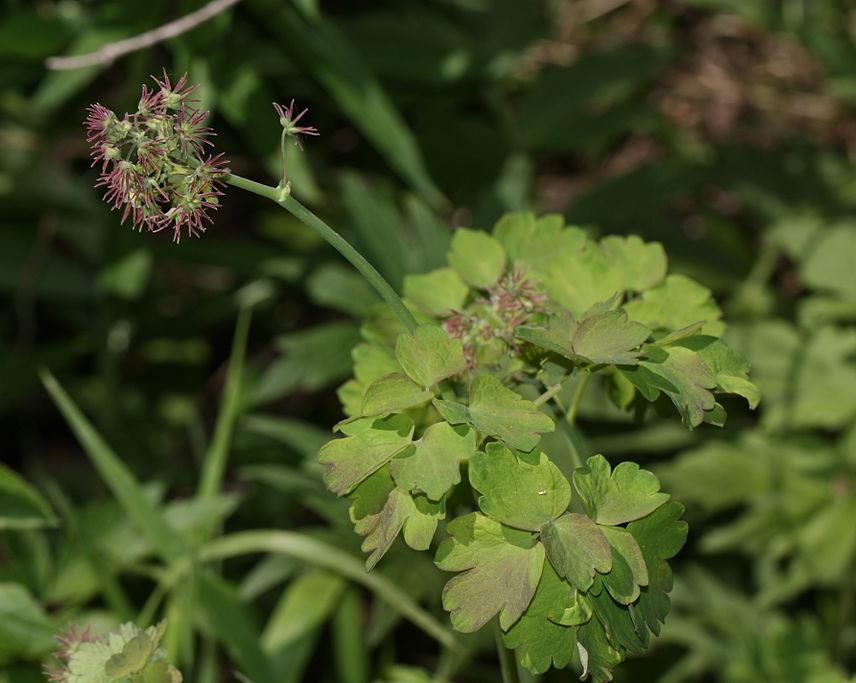
Meadow Rue, Thalictrum occidentale, is an herbaceous perennial flowering plants species. The herb is from the family buttercup, Ranunculaceae. Despite its name meadow rue, the species thalictrum is unrelated to the rue family Rutaceae.
Meadow rue is native to the western US, growing from Alaska and western Canada to California, Wyoming, and Colorado. It grows in moist and shady habitats such as meadows and forest understory.
Plant Identification
Meadow rue is an herbaceous perennial flowering plant that grows to about 3 feet tall.
The leaves of this herb are green in color, bipinnately compound and are also alternate. Leaves are divided into segments, often with three lobes, and grow on long petioles. The inflorescence upright or bent panicle of flowers, with male and female flowers growing on separate plants. The male flower is greenish white or purple, grows no petals, but instead has numerous dangling purple stamens. The female flower grows a cluster of up to 14 immature fruits with purple styles.
Edible Use
The only edible parts of meadow rue are the roots and young leaves. These roots have a bitter flavor and are rarely eaten. Instead, they are used as remedies to treat different ailments. Young leaves of meadow rue can be cooked and consumed as spinach.
Harvesting Meadow Rue
Meadow rue can be harvested year-round. I uproot the plant then pluck off the young leaves and the roots. I wash the roots and the leaves and then dry them in a well-shaded place away from direct sunlight.
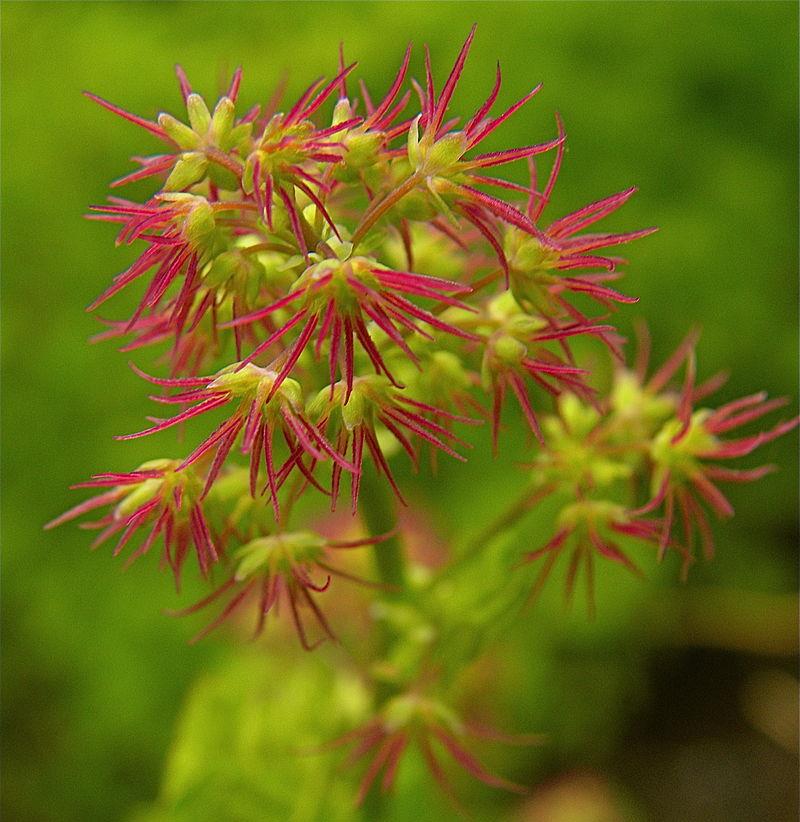
Medicinal Uses
Urinary Problems
I use a root decoction of meadow rue for the treatment of urinary problems. It removes obstructions in the urinary tract and helps with bladder function. I give 1 to 2 tablespoons of the decoction, morning and night.
Reducing Fevers
I use a decoction from the roots or an infusion of the leaves to suppress fevers. I give 1 to 2 tablespoons of Meadow Rue Decoction, morning and night.
Cleans and Purifies the Body
Meadow rue is a general tonic that purifies the blood and cleanses the body. I recommend taking the decoction daily for a week, then reevaluating the general health of the patient. I give 1 to 2 tablespoons of the decoction, morning and night.
Sores, Skin Infections, Piles
I recommend a poultice of meadow rue for healing sores and skin infections. I crush and mash the root and leaves with a small amount of water for moisture. Then I apply the macerated herb to the area and cover it snuggly with a clean cloth to hold it in position.
Kill Lice and Other Vermin
I use the freshly made and warm Meadow Rue Decoction to wash the hair and other body areas infected with lice, crabs, or other vermin. Leave it on the skin for 30 minutes, then rinse it well. I find meadow rue to be an excellent remedy that totally eradicates the problem. You still have to follow up with a nit comb after killing lice.
Other Uses
I’ve been told by other healers that Meadow Rue was used to treat asthma, epilepsy, measles, cholera, and other eye problems, but in my practice I have not tried it for any of those conditions.
Meadow Rue Decoction
You’ll need 1-ounce meadow rue roots and 1-pint water. Crush or chop fine 1 ounce of meadow rue roots. Boil the root for 15 minutes or more to release the medicinal qualities into the water. Cool the decoction and strain it to remove the root fibers.
Mormon Tea, Ephedra nevadensis
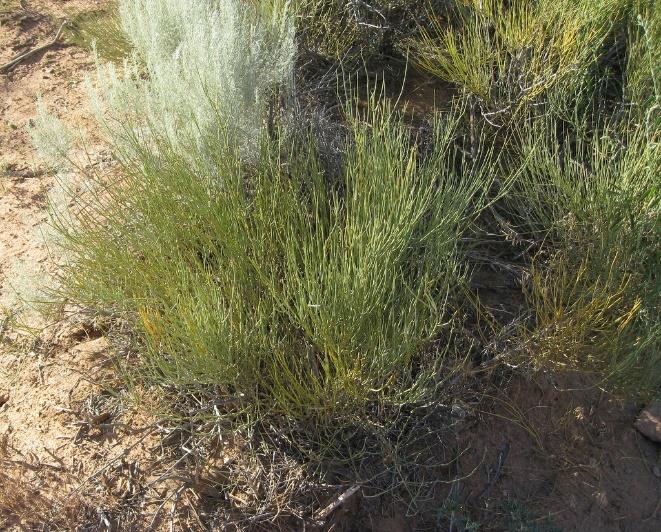
Ephedra nevadensis belongs to Ephedraceae Family and genus Ephedra. It is also known as Mormon Tea and Nevada jointfir. This herb is said to have gotten its name, Mormon tea because it is used as a form of a caffeine-free beverage by the Mormons. It is native to dry areas of western North America.
Plant Identification
This plant is a dioecious, xerophytic shrub with jointed or fluted stems and scale-like leaves. Leaf scales of Mormon tea are in twos, 3/4 inch to 2 1/2 inches long, with sheathing to about the middle, and obtuse to acute at the apex. The inflorescence of this plant is cone-like, and the staminate flowers have united filaments. The ovulate spikes of Mormon tea are distinctly stalked, and the seeds are usually paired.
This plant occurs naturally on flats and slopes in all the creosote bush deserts at mostly 1,000 to 4,000 ft elevation and also sometimes it is found in the desert grasslands that are up to 5,000 ft in elevation. It grows in California in the eastern Mojave and Colorado deserts, southwestern Utah, southern Nevada in Clark and Lincoln counties, Arizona in the Grand Canyon area and in the Mojave Desert.
The plant also grows in other regions like Arizona and Colorado deserts, New Mexico along the Gila and Pecos river drainage, Trans Pecos Texas, the Edwards Plateau, and at scattered locations on the Rio Grande Plain, Baja California to Coahuila and Central Mexico. The Characteristic species of this plant are creosote bush, white bursage, Joshua tree, black-brush, catclaw, burro-bush, big galleta, Indian rice grass, black grama, bush and desert needle-grass.
It naturally occurs in the south western regions of the United States and adjoining areas of Mexico.
Harvesting Instructions
I harvest the seeds of this plant by hand from native stands. Its stems can be harvested at any time of the year, and I usually dry them for later use. On good years abundant collections of ephedra seeds can be obtained by flailing the fruiting branches over an open tray. Stems can be harvested at any time of year.
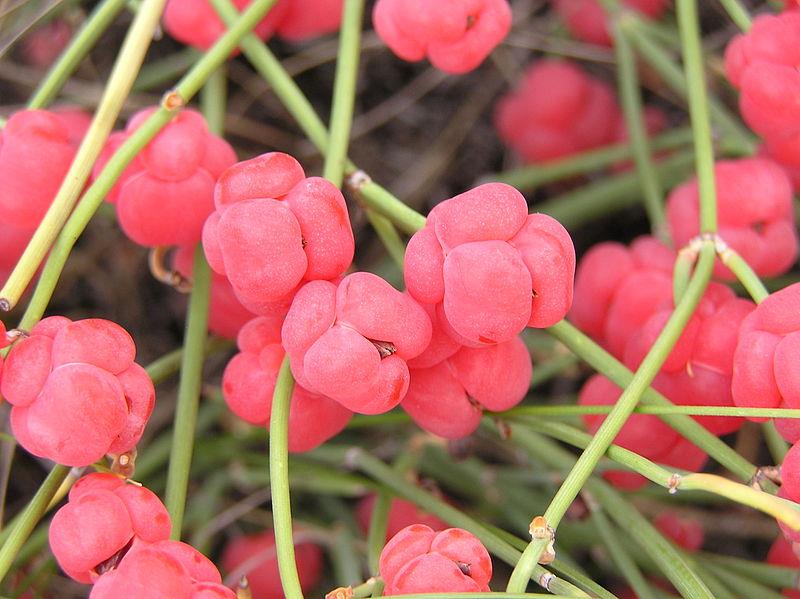
Edible Status
Both the fruit and seeds are edible. The fruit is sweet with a mild flavor, while the seed has a bitter taste and can be used cooked. It is sometimes roasted and ground to make bread. However, this plant is famous for its tea. I’ve managed to make a delicious tea by steeping the green or dried twigs in boiling water until the tea turns an amber or pink color.
Medicinal Use
Mormon tea foliage is considered toxic but is sometimes used for medicinal purposes. It is a blood purifier, diuretic, febrifuge, poultice, and tonic. For medicinal use, I prefer to use the stems. Tender stems can be eaten raw, while older stems are best prepared as an infusion.
Urogenital Complaints
I use the stems for urogenital complaints including kidney problems, gonorrhea, and syphilis. I prescribe the Mormon Tea Infusion for these problems with great results. For treatment of syphilis, it is necessary to catch the disease in the early stages, as I have not had good results once the disease has progressed. For venereal diseases, I prescribe 50 to 100 ml of Mormon Tea Infusion, 3 times daily.
Asthma and Respiratory Problems
I find Mormon tea and other members of the ephedra family valuable in the treatment of asthma and other complaints of the respiratory system. It does not cure asthma, but it opens the airways and relieves the symptoms of the attack. I also use it for allergies and hay fever. I recommend 2 tablespoons of Mormon Tea Infusion or 1 cup of Mormon Tea, 3 times daily, for these problems.
Heart Stimulant (Caution)
Members of the ephedra family are known to contain ephedrine which stimulates the heart and central nervous system.
However, Ephedra nevadensis has little to none of the stimulant effects of ephedrine. However, drug potency varies from plant to plant, so I am careful with it and do not use it on patients with known arrhythmias or other problems where ephedrine is contraindicated.
Sores, Skin Infections
A poultice made from the powdered stems can be applied to sores for effective treatment. I change the poultice three times daily for four to six days or until the sores are healed.
WarningPregnant women and breastfeeding mothers should never use Mormon Tea
Recipes
Mormon Tea Infusion
Break the stems into small pieces and wash them well. Add them to water and bring to a boil. Reduce the heat and simmer the twigs for 8 to 12 minutes. Once cooled, strain the liquid. Use two tablespoons per dose, three times a day.
Mormon Tea
To make Mormon Tea, follow the instructions for Mormon Tea Infusion, then dilute the infusion with water until it is the strength you like. I dilute it to the color of tea. You can sweeten it with honey or sugar, if desired.
Mormon Tea Powder
Powder the branches and twigs of the Mormon Tea Shrub. Moisten the powder to make a paste and use to make a poultice for sores and burns.
Milk Thistle (Silybum marianum)
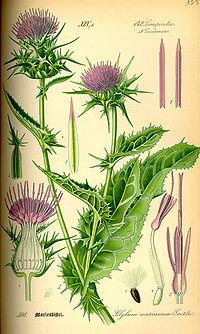
In addition to its medical uses, I enjoy milk thistle leaves as a vegetable in the spring, and I like the raw flowers in my summer salads. Milk thistle is known by many names, including cardus marianus, blessed milk thistle, blessed thistle, Marian thistle, Mary thistle, Saint Mary’s thistle, variegated thistle, Mediterranean milk thistle, and Scotch thistle. I find it mainly in California, but it is reported to grow worldwide. I noticed that it prefers a warm climate.
Plant Identification
Milk thistle is an annual or biennial plant member of the Aster Family (Asteraceae or Compositae). It grows to be from 1 foot to 6 1/2 feet tall with a base of up to five feet or more.
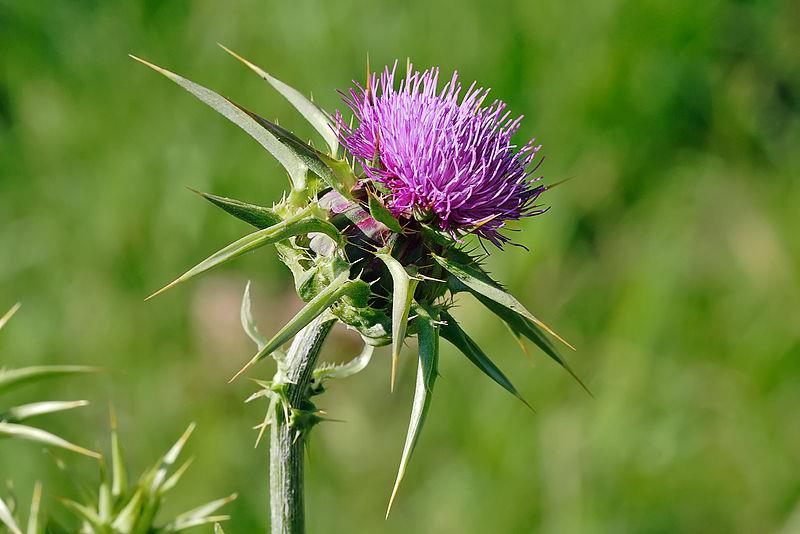
The shiny green leaves are oblong or lance-like and can be either lobed or pinnate. They are hairless with spiny edges and white veins. The stem is grooved and hollow in larger plants.
Reddish-purple flowers appear from June to August. They are 1 ½ to 5 inches across.
Edible Parts
I enjoy milk thistle roots raw, boiled, par-boiled, or roasted.
I enjoy the young shoots, harvested in the spring boiled like spinach. Some people peel the stems and soak overnight, then stew them. I rarely eat them this way, since the stems tend to be too bitter for my taste. I find it necessary to trim the leaves and stems to remove the spines before cooking or eating.
I eat the spiny bracts on the flower-head like a globe artichoke. I usually boil or steam them until tender.
Milk Thistle is high in potassium nitrate and is not suitable for cattle or sheep.
Medicinal Uses
I recommend consuming the leaves and seeds of the plant for most patients. The seeds can be eaten raw, while the leaves are best used as a tincture, extract, or tea. I sometimes grind the milk thistle herbs and seeds into a powder and put it into capsules for patients who find the flavor disagreeable or need an easy way to take it.
Milk Thistle Supports and Detoxifies the Liver
I get good results from milk thistles ability to decrease or even reverse liver damage caused by disease, environmental pollutions, and drug or alcohol abuse.
Milk thistle dramatically improves liver regeneration in hepatitis, cirrhosis, and other liver diseases. I use it for cirrhosis, fatty liver syndrome, jaundice, hepatitis, and liver poisoning caused by chemicals, drugs, or alcohol abuse.
Helps Lower High Cholesterol
Milk thistle is a powerful anti-inflammatory with heart-healthy benefits, including lowering high cholesterol by cleaning the blood, decreasing inflammation, and preventing oxidative stress damage within the arteries. Recent use by many patients shows that milk thistle is effective in lowering total cholesterol, LDL cholesterol, and triglyceride levels in patients with diabetes and I also prescribe it for patients with heart disease.
Prevent or Control Diabetes
Milk thistle helps control the blood sugar and decreases blood sugar levels in insulin-resistant patients. For best results, I recommend regular milk thistle use. When patients are diligent and don’t give up too soon, I notice that blood sugar levels improve over time. The improved blood sugar control is due to the improved health of the liver and its function in releasing insulin and other hormones into the bloodstream.
Milk Thistle Helps Prevent Gallstones and Kidney Stones
Milk thistle supports the endocrine and gastrointestinal systems and helps clean the blood. It works closely with the liver and other digestive organs to purify the body and reduce the risk of gallstones and kidney stones.
Antidote for the Ingestion of Poisonous Mushrooms
Milk thistles ability to protect the liver is so strong that it is even able to treat patients poisoned by Amanita mushrooms which destroy the liver. In fact, it is the only treatment option for these patients. I always counsel patients to be careful when harvesting and eating mushrooms, but when I believe mushrooms are the problem, I start the patient on regular doses of milk thistle immediately.
Milk Thistle’s Estrogen-Like Effects
Milk thistle has some estrogen-like effects that stimulate menstruation and increases the flow of milk in breast-feeding mothers. I have read reports that it is now to be used as a treatment for prostate cancer in men, but have not verified this yet in my patients.
Milk Thistle Tea for Acne
Milk thistle is high in anti-oxidants, anti-inflammatories, and flavonoids that reduce the inflammation of acne. I recommend one to two cups of milk thistle tea daily for acne and other skin inflammations and irritations such as rosacea and hives.
Harvesting Instructions
I always wear protective clothing and heavy gloves when harvesting milk thistle.
One time, I forgot to wear protective clothing, and I doubt that I will ever make that mistake again. The skin irritation lasted longer and was more irritating than I expected. I cut off young flower heads with scissors and young leaves from the stalk.
I harvest milk thistle seeds by cutting off the seed-heads and placing them in a paper bag in a cool dry spot. After the seeds dry, I remove them from the seed head, one at a time, and brush away the debris. The cleaned seeds store best in a container with a tight lid.
WarningsPregnant women should not use milk thistle. Women with estrogen-related conditions such as endometriosis, fibroids, and cancers of the ovaries, breast, or uterus should not use milk thistle. Do not use milk thistle if you are allergic to the Asteraceae Compositae plant family. It can cause a severe allergic reaction that could be life-threatening.
Recipes
Milk Thistle Tea
Crush or grind 1 teaspoon of milk thistle seeds. Add one cup of boiling water and allow the tea to steep until lukewarm.
Milk Thistle Extract
Take 3/4 cup milk thistle seeds, 1 cup vodka or other alcohol, 100 proof or better.
Grind, crush or blend ¾ cups of milk thistle seeds. Place the crushed seeds into a sterile pint-sized jar with a tight-fitting lid.
Pour 1 cup of vodka over the seed, more if needed to cover the seeds. Stir well to mix the ingredients. Cap the jar tightly and place it in a cool, dark place for three to five weeks, shaking the jar daily. Add more alcohol, if needed, to keep the seeds covered with liquid. Strain the mixture and reserve the liquid. Discard the seed. Store your extract tightly covered in a cool, dark place.
To Use Milk Thistle Extract: This is a highly concentrated extract. Use three drops of Milk Thistle Extract up to three times daily. If this dosage is well tolerated, you can gradually increase the dose.
Diseases: Liver diseases of all types, Acne, Adrenal disorders, Inflammatory Bowel Syndrome, High Cholesterol, Food Allergies, Candida
Mullein, Verbascum thapsus
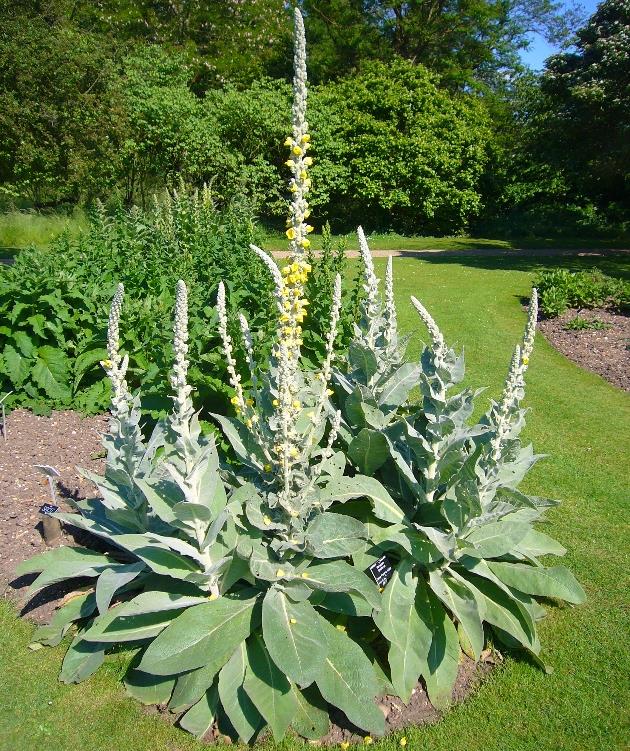
Mullein, Verbascum Thapsus, belongs to Scrophulariaceae family and genus Verbascum. It also most commonly known as great mullein or common mullein. Its other names include Aaron’s rod, Flannel Plant, Hag Taper, Mullein, Torches, and Velvet Plant.
Mullein is a widely distributed plant in North America and is exceedingly abundant as a naturalized weed in the eastern States. I find it on hedge-banks, by roadsides, and on waste ground, especially on gravel, sand or chalky soil. This plant grows in a vast range of habitats but prefers well-lit and disturbed soils making it one of the first plants to arrive when the ground receives enough light.
Mullein is widely used for herbal remedies, with well-established emollient and astringent properties. This plant has also been used to make dyes and torches.
Plant Identification
Mullein is a soft (almost velvet-like) biennial plant. When in its second year, Mullein is an erect stem that can grow very tall. It can reach nearly 7 feet of height. It has soft leaves, and yellow colored flowers at the top of the plant giving it a very unique appearance.
The central stem of the mullein terminates in a dense spike of pale yellow flowers. These flowers generally measure anywhere from two inches to two feet long. Each flower of Mullein is about 3/4 inch across and consists of five pale petals, 5 hairy-green sepals, five stamens, and one pistil. The 3 upper stamens are covered with white or yellow hairs, while the 2 lower stamens are almost hairless.
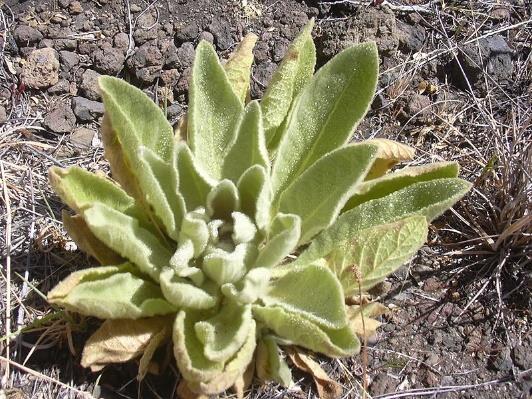
In its first year, mullein leaves form a basal rosette, with large, velvety-like, long-oval, gray-green leaves that can grow up to 20 inches long. In the 2nd year, the basal leaves precede a stout, erect flower stalk. On flowering plants, the leaves are alternately arranged up the stem.
This plant produces small, ovoid capsules of approximately 1/4 inch each that split open by into two halves. Each capsule contains large numbers of minute, brown seeds that are less than 1 mm (0.04 in) in size, marked with longitudinal ridges.
Harvesting instructions
The leaves of Mullein are best harvested in the summer of the second year as the plant is growing its stalk. I prefer to bundle the leaves and hang them upside down to dry. The buds and flowers are harvested when they are in bloom, usually between July and September. I use them fresh or I dry them for later use.
Edible Status
The leaves and flowers are edible, although enjoying a cup of tea made from these parts is generally preferable. I sometimes use leaves and flowers fresh in a salad.
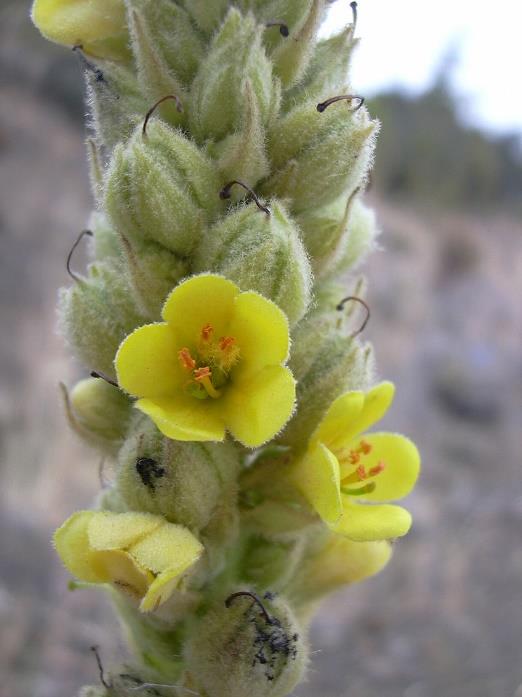
Medicinal Use
The leaves and the flowers of Mullein are anodyne, anti-inflammatory, antiseptic, antispasmodic, astringent, demulcent, diuretic, emollient, expectorant and vulnerary. This plant combines well with other expectorants such as coltsfoot and thyme and combined with the anti-inflammatory benefits of St. John’s Wort.
Bronchitis, Emphysema, Tracheitis, Asthma, and Tuberculosis
Mullein is a commonly used herbal remedy. I value it for its efficacy in the treatment of chest complaints such as bronchitis, tuberculosis, and asthma. It reduces the formation of mucus and stimulates the expulsion of phlegm. It is a specific treatment for tracheitis and bronchitis. I prescribe the infusion, taken three times daily, for the treatment of a wide range of chest complaints.
For emphysema, I prefer to prescribe mullein infusion with some coltsfoot.
The mixture of herbs acts well as an expectorant for emphysema patients and helps them breathe easier. It also relieves the coughing spasms and wheezing.
I have the patient sip on the tea throughout the day, drinking up to three cups daily. Patients improve with long term use.
Skin Wounds, Ulcers, Tumors, and Piles
Externally, I use a poultice prepared from mullein leaves to heal wounds, ulcers, tumours and piles. I mash the leaves, apply them directly to the skin, and cover them with a clean cloth. My Muellin Infused Oil also works well on piles.
Earaches
An infusion prepared from its flowers in olive oil is used as earache drops. The flowers are strongly bactericidal. Warm a few drops of mullein oil over a lighter for 45 seconds or until it is lukewarm. Then drop it into the ear canal with a dropper and plug the ear with a cotton plug. I prefer to treat both ears, even if only one is affected, since the sinuses are connected.
Do not use mullein for punctured eardrums.
Hemorrhoids, Sunburn, and Inflammatory Skin Conditions
Mullein is anti-inflammatory, which helps it to calm inflammatory skin conditions, especially those of the mucus membranes. For this purpose, I prefer to use a few drops of Mullein Infused Oil applied directly to the affected area. The oil also is anti-bacterial which helps prevent infection and speed healing. I sometimes use St. John’s Wort with mullein to make the oil.
Warts
Powdered mullein roots rubbed onto warts helps to kill the virus to the roots and remove the wart. I rub it in several times a day until the wart is completely resolved and the skin is healed. The juice of the plant can also be used.
Cramps, Muscle Spasms
For cramping and muscle spasms, the patient can get fast relief with one cup of Mullein Infusion, taken as needed or up to three times daily. For muscle spasms, Mullein Infused Oil can also be rubbed into the affected muscle.
Gastrointestinal Issues
Mullein Infusion made from the roots is very good for getting rid of intestinal worms and healing other gastrointestinal issues. I prescribe one cup of Mullein Infusion, three times daily.
WarningsDo not use mullein if you are pregnant or breast feeding. In some patients, it can cause skin irritations, stomach pain, breathing difficulties. These are allergic reactions, discontinue use if these symptoms occur.
Recipes
Mullein Infusion
Ingredients: 1/2 teaspoon mullein root, powdered and 1 cup water. Bring the water and powdered mullein root to a boil and reduce the heat to a simmer. Simmer for 10 minutes. Drink three times daily.
Mullein Infused Oil
Take 2 cups sweet almond oil or olive oil and 1 1/2 cups of mullein flowers, fresh or dried. Place 1 ½ cups of mullein flowers into a pint jar with a tight fitting lid. Pour the oil over the flowers and allow them to infuse for 8 to 10 days. Filter the oil and store it in a dark bottle in a cool, dry place. Use for earaches, hemorrhoids, piles, and common skin conditions.
St. John’s Wort can also be added.
Plantain, Plantago Major
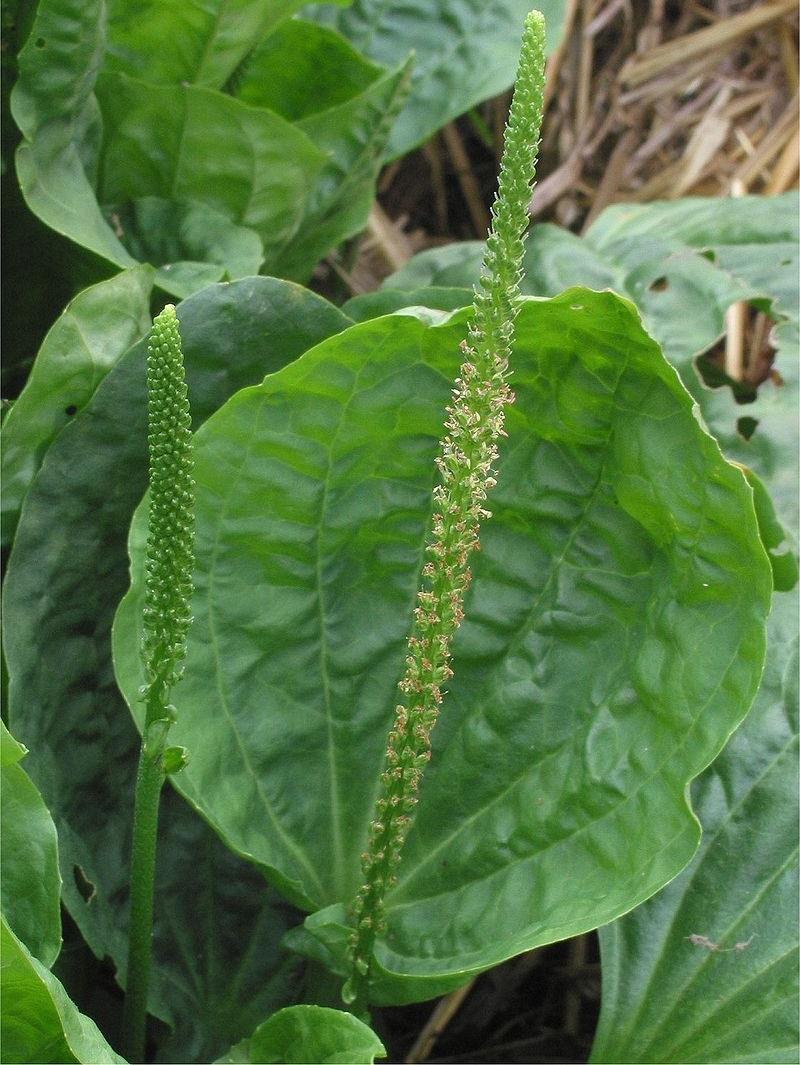
Plantago major is a small perennial, similar to a dandelion weed, not the banana like fruit found in the grocery store. It is often found growing wild in gardens, lawns, backyards, and along the roadsides across the US. The leaves give away their identity. They have a ruffled texture as if strung on veins of elastic. They are also slightly bowl-shaped.
The leaves are oval or almost round and have a chunky footstalk. The leaves grow in a rosette at the base of the plant. Each leaf is 2 to 8 inches long and only slightly longer. It has a smooth margin and five to nine veins.
The greenish-white flowers have purple stamens grow on densely packed stems to a height of 7 to 20 inches. The flowers are tiny and mostly eclipsed by the greenish-brown sepals and bracts. The flowering stalks rise high above the foliage. The plants produce many tiny, bitter-tasting seeds.
Edible Use
The leaves and seeds are edible. I enjoy the leaves in a salad if gathered while they are still very young and tender.
As they age they become tough and fibrous, but they can be cooked in soups and stews. The seeds are sometimes ground into a flour extender or substitute, but they are so tiny that it takes a lot of time and energy to gather enough to make it worthwhile.
Medicinal Use
The plantain herb has many medicinal qualities. It is anti-inflammatory, analgesic, antioxidant, immune modulating and a weak whole-body antibiotic.
Healing Wounds, Sores, Insect Bites
A poultice made from crushed plantain leaves is a good choice to promote healing in minor wounds, sores and insect bites. It will ward off infection and reduce inflammation. If the wound is infected, I would combine plantain with an herb with more antibiotic action such as juniper, or goldenseal.
To make a poultice, crush or bruise fresh plantain leaves and apply them directly to the affected skin. Cover the leaves with a gauze wrapping to hold it in place. Change the poultice two to three times daily.
A piece of cotton soaked in Plantain Tincture is also effective.
Snake Bite
For snakebite, I use plantain both internally and externally. I apply a poultice of fresh plantain leaves directly to the bite to draw out the venom and have the patient take 2 tablespoons of freshly pressed plantain juice or 1 teaspoon of Plantain Tincture. The tincture can also be used as a poultice if fresh leaves are not readily available. For snake bite, much depends on the kind of snake and the quick administration of remedies.
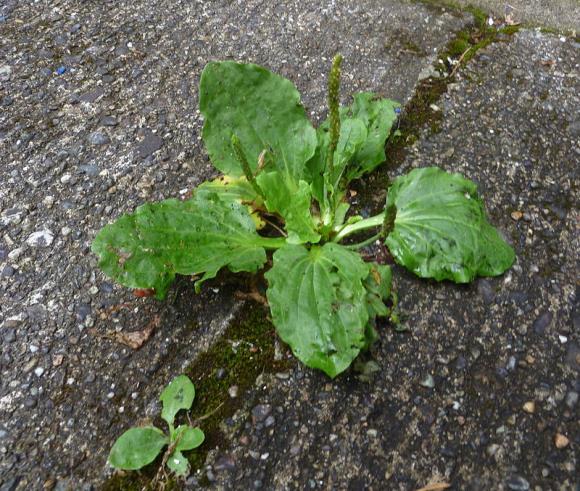
Cystitis, Diarrhea, Respiratory Tract Infections
The juice of common plantain is beneficial for calming inflammation of the mucous membranes, including the membranes of the respiratory tract, digestive tract, and urinary tract. I recommend that patients take 2 teaspoons of freshly pressed plantain juice, three times daily. For heavy mucus and allergies, I recommend using Plantain Tincture.
Toothache
I have patients place bruised plantain leaves on sore teeth to relieve swelling, infection, and pain. Hold in place as needed, until the pain is gone. Dried leaves can also be used.
Sore Throats, Swelling of the Gums
Add a tablespoon of pressed plantain juice to a half cup of water and use this as a gargle at the first sign of a sore throat. It is also good at reducing the inflammation in gum tissue.
Constipation
Plantain seeds are excellent at relieving constipation because of the fiber and mucilage released in the infusion. I recommend drinking 1 cup of Plantain Seed Infusion at bedtime to relieve constipation. Be sure to consume the liquid and seeds.
Plantain for Autoimmune Diseases
For autoimmune conditions and other chronic diseases, I have patients drink Plantain Tea twice daily. The benefits build up over time and patients must drink daily to see the full benefits.
Recipes
Plantain Seed Infusion
Take 1 teaspoon plantain seeds and 1 cup boiling water. Pour the boiling water over the seeds and allow it to steep while it cools. Drink the mucilage tea and the seeds.
Plantain Tincture
You’ll need fresh plantain leaves, 100 proof vodka or other drinking alcohol and jar with a tight-fitting lid.
Fill the jar with fresh plantain leaves that have been sliced into thin ribbons or chopped into small pieces. Pour 100 proof vodka over the leaves and fill the jar, making sure all the leaves are covered. Cap the jar tightly and place it in a cool, but sunny location such as a windowsill. Let the tincture marinate for 4 to 6 weeks, shaking the jar daily. Add more alcohol, if needed to keep the jar full. Pour the alcohol through a fine mesh sieve or a coffee filter to remove all of the herbs. Store the tincture in a cool, dark cupboard for up to 7 years. Dosage: 1/2 to 1 teaspoon
Plantain Tea
Place 1 teaspoon dried plantain leaves or 1 tablespoon of fresh plantain leaves into a cup of boiling water. Let steep for 10 minutes. Strain out leaves and drink.
Pot Marigold, Calendula officinalis
Pot marigold is a short-lived, perennial herbaceous plants in the daisy family and is often grown as an annual. They are commonly used as ornamentals and sometimes for medicinal preparations. The plant is not originally native to the US, but it is widely cultivated in flower gardens across the country and has escaped cultivation into meadows and roadsides.
The pot marigold grows to be approximately 30 inches tall with branched sprawling or erect stems. The leaves are oblong and lance-like, approximately 2 to 7 inches long and hairy on both sides. The margins can be smooth, wavy, or even weakly toothed.
The flowers are yellow or orange with a 2- to 3-inch flowerhead, two rows of hairy bracts and a single or double ring of ray florets around the central disc florets. Flowers appear year-round when the weather is suitable.
The fruit is a thorny achene.
Edible Use
Pot marigold flowers are edible. They are used in salads and as a garnish in some dishes. The leaves are also edible, but bitter and unpalatable.
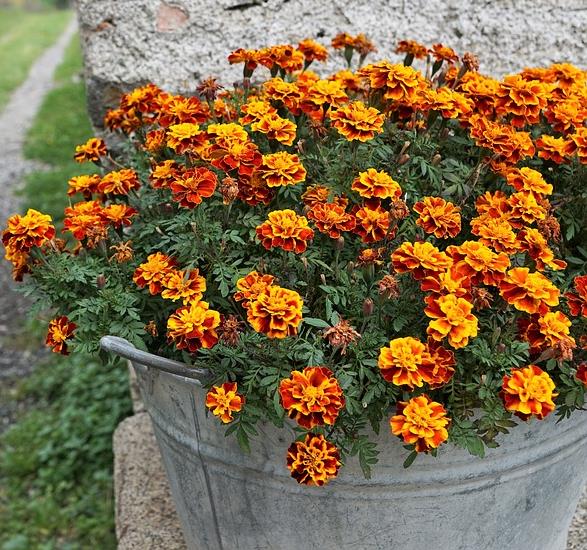
Medicinal Use
Skin Diseases, Cuts, and Irritations
Pot marigold leaves and flowers are soothing to the skin, and I use them to treat all kinds of skin problems from acne to sunburn and rashes. The leaves make a healing poultice for minor cuts, scratches, and skin irritations. Place the bruised leaves directly on the skin. The leaves soothe inflamed skin and help it heal.
I use the flowers to make a healing salve for skin irritations. The leaves and flowers have anti-bacterial and anti-fungal effects. To treat fungus infections and bacterial skin infections, including ringworm, athlete’s foot, thrush, diaper rash, and cradle cap, I use Calendula Extract applied to the effective area several times daily.
Stomach and Intestinal Diseases
I use calendula combined with comfrey root for all kinds of stomach and intestinal problems including duodenal ulcers, intestinal colitis, and gastroenteritis. I prescribe a decoction made from equal parts calendula and comfrey root.
Immune System and Lymphatic System
Calendula stimulates the functioning of the immune system and the lymphatic system. Additionally, the astringent and antiseptic properties help the body fight off infections and viruses. Calendula also reduces congestion and swelling in the lymph glands.
Liver, Gallbladder, and Whole-Body Detoxification
Calendula helps remove toxins from the body and helps cleanse the liver and gallbladder. It is a good treatment for diseases affecting these organs. The detoxification properties also have a positive effect on the skin and help clear up chronic skin problems such as eczema and acne caused by the bodies efforts to rid itself of toxins. For detoxification, I prescribe Calendula Extract.
Recipes
Soothing Calendula Salve
Ingredients: 1/2 cup olive oil, 1/3 cup solid coconut oil, 3 tablespoons dried calendula flowers, 1 1/2 tablespoons dried chamomile flowers, 3 ounces beeswax.
In a small pan, melt the olive oil and the coconut oil together. Add the flower petals and allow the mixture to steep for one hour. Strain out the flower petals, if desired, or you can leave them in. Return the pan to the heat and add the beeswax, stirring. Remove the pan from the heat as soon as the wax is melted. Allow the salve to cool completely before use. Apply gently to irritated or inflamed skin.
Calendula Extract
Take 1-pint calendula flowers, loosely packed and 1-pint 80 proof vodka or other drinking alcohol of 80 proof or higher.
Place the flowers in a pint jar with a tight fitting lid. Fill the jar with alcohol so that the flowers are completely covered. Allow the extract to steep in a cool, dark place for 4 to 6 weeks. Shake daily. Strain out the flowers and store the extract tightly covered in a cool, dark place. Use within 3 years.
Calendula and Comfrey Root Decoction
You’ll need 1 tablespoon calendula flowers, 1 tablespoon comfrey root, crushed and chopped fine or ground and 1-quart water. Bring the water and herbs to a boil and reduce the heat to a simmer. Simmer for 5 minutes. Cover the decoction and allow it to steep for 45 minutes. Strain out the herbs. Store the decoction in the refrigerator for up to 3 days or up to one month in the freezer. Take 1 cup of the decoction, twice daily, for stomach and intestinal distress.
Skin Healing Oil or Salve
This salve is an all-purpose salve for healing skin irritations, minor burns, sunburn, cuts, wounds, insect bites, eczema, diaper rash, ringworm, and athlete’s foot. This combination of herbs is soothing and anti-inflammatory, anti-bacterial, antifungal, analgesic, and promotes rapid wound healing and tissue growth.
This combination also helps minimize scarring, so it is a good choice for facial wounds and other wounds in exposed areas.
Olive oil, almond oil, and other carrier oils can be used for this salve, but I prefer coconut oil. On a cool day or under refrigeration coconut oil is solid. I store it in the refrigerator and use it as a cooling salve for irritations and sunburn.
Skin Healing Oil
You’ll need 1 cup coconut oil, olive oil or other carrier oil, ¼ cup calendula flowers, dried, ¼ cup St. John’s Wort, dried 1/8 cup chamomile, dried and 20 drops lavender essential oil.
1. Fill a clean quart jar with the herbs and add the carrier oil. Cover the jar tightly and shake to combine. The jar will not be full, but the herbs will swell over time.
2. Shake the jar daily and add oil if needed to keep the herbs covered.
3. Infuse the oil in a warm, sunny spot such as a windowsill for two to four weeks.
4. Strain the oil through a fine mesh strainer to remove the herbs.
5. Add the lavender essential oil and shake to combine.
The oil can be used as is or it can be made into a salve. If you use coconut oil and refrigerate the oil, it will have a salve texture without adding the beeswax.
Prickly Pear Cactus, Opuntia Ficus-indica
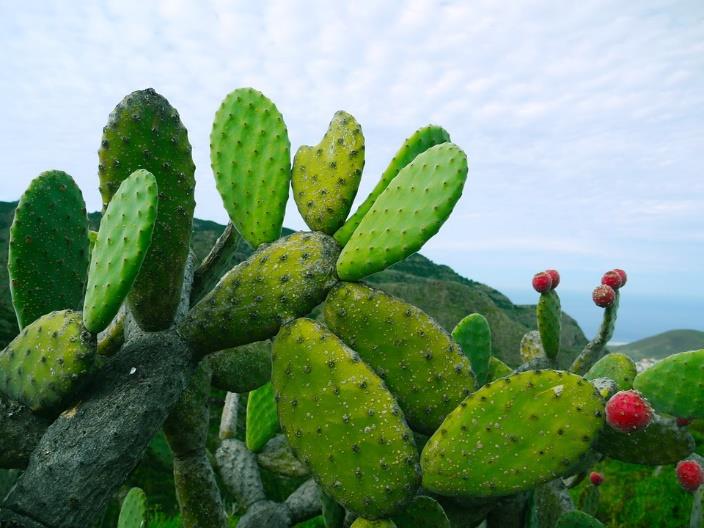
The prickly pear cactus is another plant that I value highly. I take the juice of the tuna (fruit) of the plant and find it to be highly anti-inflammatory and healing. I use it as often as possible for my own arthritis and find that it works well and reduces inflammation of all kinds in my body. I had used it often with patients, but I was truly amazed when I began using it myself.
With daily use over the course of two to three months, many old inflammations and injuries that I took for granted began to clear up. I now keep a supply of the dried fruit with me when I travel, but I find that the fresh juice is best. As a further benefit, the fruit is highly nutritious.
Plant Identification
The prickly pear cactus grows to be up to 16 feet tall with flat, rounded leaf pads that branch off. The flower and, later, the fruit grow directly on the leaf pad. The entire cactus, including the fruit are covered with two different kinds of spines. There are large, fixed spines that are easily seen and small, hair-like spines that are more difficult to see and easily detached. It is these smaller glochids that will attack you if you are not careful.
The flower are large, solitary, and bisexual. A perianth consists of spirally arranged tepals and a hypanthium with numerous inferior ovaries. It has numerous stamen arranged in whorled clusters.
The fruit is a berry covering numerous hard seeds. Prickly pear cactus are found in semi-arid and desert-like conditions and have been cultivated in containers in many places. Prickly pear cactus grow in bushy clusters.
Harvesting Prickly Pear
Harvesting prickly pear must be done carefully. I dress in thick long sleeves, long pants, boots, and gloves. I do not want to come into contact with the small, hairy spines. I use tongs to pick the ripe fruit and place them carefully into a bucket for processing. If I want leaf pads, I pick them in the same way.
Once back home, I hold each fruit or leaf pad over a flame and burn the spines off completely, charring the skin. When they cool, I peel off the skin. Other people use sand paper to sand off the spines, but I want to make sure that I get every spine and the charred appearance gives me that assurance.
Edible Use
Both the leaf pads and the fruit are edible. Peel them carefully before use. (See Harvesting above.) I drink the juice of the tunas and use the pads in stir-fries, salads, and soups.

Medicinal Use
The anti-inflammatory effects of the prickly pear fruit are exceptional, comparable to any other herb I have used. I am sure these properties are the root of its healing power. For maximum benefits, I recommend drinking at least 2 ounces of juice every day. There are no health risks with long term use.
Diabetes
The prickly pear cactus is beneficial to the pancreas which is vital to the production of insulin. By restoring health to the pancreas, the blood sugar is balanced as much as possible.
Arthritis and Joint Pain
The inflammation caused by arthritis and the joint pain caused by inflammation is greatly benefitted by a regular consumption of 2 ounces of prickly pear juice every day. Relief takes time (one to two months) and increases with use until the maximum benefits are achieved.
Heart Healthy Benefits
The anti-inflammatory benefits assist in the reduction of plaques in the arteries and veins, reducing the chances of heart disease. Pickly pear juice also reduces cholesterol and enhances blood circulation to all parts of the body. I prefer to start patients on prickly pear juice as soon as there is any hint of heart problems.
Fatigue and Muscle Soreness
The high vitamin and other nutrient levels combined with the health inducing properties of prickly pear make it an excellent choice for the treatment of fatigue and muscle soreness caused by over use or injury.
All Inflammatory Diseases
The juice is indicated for all inflammatory diseases including skin diseases like psoriasis, eczema, and hives. I now prescribe it for all types of diseases when I suspect the problem is inflammatory.
Pulsatilla, Anemone pulsatilla
This pretty little flower is also known as anemone, Easter flower, Wild Crocus, Windflower, and Prairie Smoke. It is a perennial that grows to about 18 inches tall. The leaves are feathery, delicately divided, and covered with silky hairs. They are silver-gray in color. Each plant produces a single light purple or white flower with yellow stamens. The stamens produce downy seeds.
Growing up, I had a small patch of pulsatilla growing in my yard. They were always the first flower to arrive in the spring, sometimes pushing through snow to make an appearance. To me, it was confirmation that warmer days were ahead. It usually makes its appearance around Easter. The root structure is a vertical rhizome. The roots dig 3 feet or more into the ground. When the fruit head matures, the hair-like threads blow in the wind, giving the impression of smoke in the wind.
Medicinal Use
I use pulsatilla as either an infusion or a tincture. Pulsatilla must be used carefully and in small doses. In large amounts, it can be harmful or deadly. Avoid touching the fresh plant and only use dried flower heads in medicinal preparations.
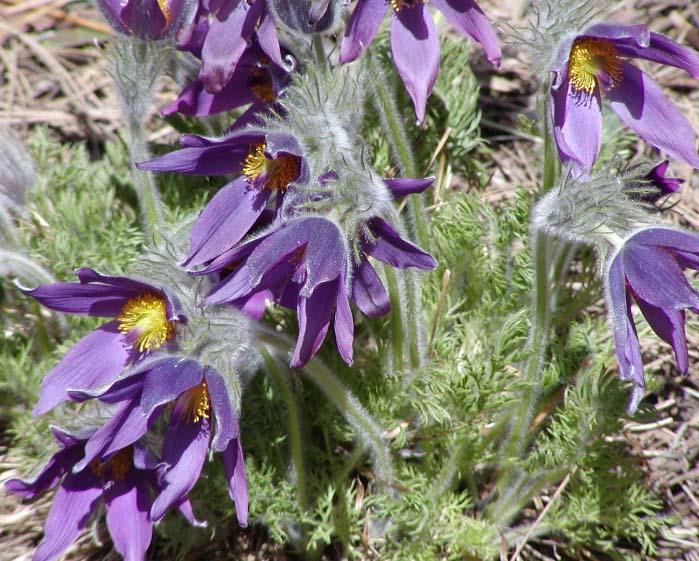
Skin Problems
For skin diseases, I prefer to use a mixture of pulsatilla and echinacea. Echinacea is an antibiotic and antiviral, and it stimulates the immune system. It is helpful to relieve skin infections and it works well with pulsatilla to relieve skin problems related to inflammation and infection. I recommend using Pulsatilla and Echinacea Tea as a skin wash over the affected areas and internally to resolve the underlying problems.
Menstrual Problems
Pulsatilla is very effective for menstrual pain, premenstrual tension, dysmenorrhea, amenorrhea, and menstrual cramping. I prescribe 1/2 to 1 teaspoon of Pulsatilla Tincture for menstrual problems. It also relieves symptoms of menopause such as headaches, hot flashes, and moodiness.
Childbirth and Postpartum Depression
Pulsatilla stimulates the uterus and makes childbirth easier. It also has analgesic properties which help with labor pain. It is also given after childbirth to relieve symptoms of depression. Either the tea or the tincture can be used.
Headaches and Sleep Problems
Pulsatilla relaxes the nervous system and treats headaches and insomnia in this way. It calms the body and spirit allowing patients to sleep soundly when taken in small doses. Take 1 cup of Pulsatilla Tea at bedtime or use ½ teaspoon of Pulsatilla Tincture.
Mental Disorders
Because of its actions on the nerves, pulsatilla is useful for treating nervous conditions including: hyperactivity, senile dementia, panic, depression, and schizophrenia. Use either the tea or tincture.
Urinary Tract Disorders
Patients with urinary tract infections, inflammation of the bladder, and other urinary tract disorders can find much relief with pulsatilla. It relieves the inflammation and the underlying infections.
Eye and Ear Problems
Pulsatilla possesses many properties that are beneficial to the eyes and ears. It is useful in treating cataracts, conjunctivitis, glaucoma, and tics. I also use it to treat earaches, loss of hearing and inflammations of the ear. Use Pulsatilla Tea for eye and ear problems.
Heart Health
Pulsatilla is beneficial to the heart in numerous ways. It is used to cure thickening of the heart muscle and clear venous congestion. It relieves inflammation in the circulatory system and helps restore normal function. I prefer to use Pulsatilla Tea for heart problems.
Drug Withdrawal
Pulsatilla is useful to help patients with withdrawal from sedatives, hypnotic drugs, anticonvulsants, and muscle relaxants. Be careful to give only the prescribe dosages of Pulsatilla Infusion or tincture.
Harvesting
Pick pulsatilla flowering stalks when the plant is in full bloom, usually in the early spring near Easter.
WarningPulsatilla should never be used internally for pregnant women. Given in large doses, pulsatilla can be harmful and may cause coma, seizures, asphyxiation, and death. Wear gloves when harvesting pulsatilla flower heads. Use only the dried flower heads in herbal preparations. The fresh herb is an irritant.
Recipes
Pulsatilla Infusion
1/2 teaspoon of dried pulsatilla flowers, 1 cup boiling water. Pour the boiling water over the herbs and allow it to steep for about 15 minutes. Drink 3 times daily or as needed.
Pulsatilla Tincture
Dried Pulsatilla flowers, 100 proof vodka or other drinking alcohol and jar with a tight-fitting lid.
1. Add the dried flowers to the jar, filling it about three-quarters full.
2. Pour 100 proof vodka over the flowers and fill the jar, making sure all the flowers are covered.
3. Cap the jar tightly and place it in a cool, dark place, such as a cupboard.
4. Let the tincture steep for 4 to 6 weeks, shaking the jar daily. Add more alcohol, if needed to keep the jar full.
5. Pour the alcohol through a fine mesh sieve or a coffee filter to remove all the herb.
6. Store the tincture in a cool, dark cupboard for up to 7 years.
7. Dosage: 1/2 to 1 teaspoon, three times daily.
Red Clover (Trifolium pretense)
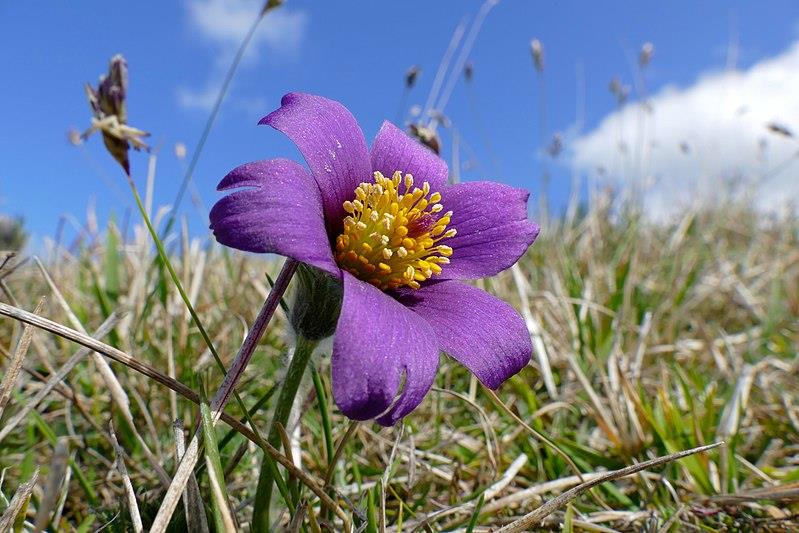
Red clover is an herbaceous member of the Pea Family (Fabaceae). I often find it growing as a weed on roadsides and fields throughout the US. It is a biennial or short-lived perennial that grows to 18 inches tall.
Plant Identification
The plant grows from a long, deep taproot and slender, hairy, hollow stems. The leaves are alternate, divided into three leaflets, and green with a pale crescent in the outer half of the leaf. Leaflets are 1/2 to 1 1/5 inches long and 1/2-inch wide and fine-toothed with prominent “V” marks. Pink to red flowers appear in rounded heads from May to September.
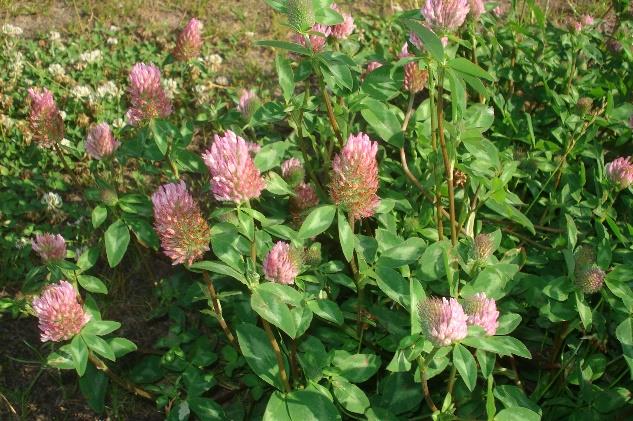
Edible Parts
I eat the leaves and young flowering heads both raw and cooked. I use a sweet herbal tea from the flowers medicinally and I have used the ground seed pots and flowers to use as a flour. I also eat the taproot cooked. Some people sprout the seeds and use the sprouts in salads, but I have not tried that yet.
Medicinal Uses
How to Use Red Clover
I recommend the use of red clover as supplements, dried herbs, tincture, or as a tea made from the blossoms. For general health purposes, I prescribe several cups of red clover tea a few times a week. For specific medicinal purposes, drink 2 to 3 cups per day for two to ten weeks. Alternatively, take 1 to 2 teaspoons of tincture daily.
Relieves Symptoms of Menopause
Because of its phytoestrogen isoflavone content, red clover works as a natural alternative to hormone replacement for my female patients. Patients report that it relieves symptoms of menopause, including reducing the frequency of hot flashes and night sweats.
Osteoporosis
By acting as a natural hormone replacement, red clover may slow bone loss and even boost bone density in pre- and peri-menopausal women.
Cardiovascular Health
Red clover helps protect against heart disease by increasing HDL (good) cholesterol in pre- and post-menopausal women. It also has blood-thinning properties which improve blood flow and prevents clotting.
Skin Conditions Including Eczema, Psoriasis, and Other Skin Irritations
I have found that red clover tea, supported with yellow dock and nettles is an excellent remedy for skin irritations that crack and ooze. I also use an external poultice made from chopped red clover flower heads and soaked in a little water applied directly to skin lesions.
Harvesting Instructions
Harvest red clover from fields, away from heavy pollution areas such as roadsides. Unlike most herbs, red clover needs to be harvested in the early morning while there is still some dew present on the flower. I pick the blossoms one to two weeks after blooming and harvest up to three times a year, snapping the blossom head off and leaving the rest of the plant alone.
I use the blossoms fresh or place them on a drying rack in a warm dark, ventilated, and dry place. I turn them frequently until the blossoms are dried through. Store the dried herb in a cool, dry, and dark place.
When harvesting young leaves, I try to get them before the plant flowers. I use them cooked as a green, in soups, and salads. The leaves can also be dried and powdered for use as a flavoring on foods. They tend to be more bitter after the flowers appear.
WarningsIn general, I consider red clover to be very safe, with few side effects, except for occasional gas. The anticoagulant effect and hormonal effects may be undesirable for some patients.
Due to its hormonal activity, I don’t recommend red clover for women with a history of endometriosis, breast cancer, uterine cancer, fibroids, or other estrogen-sensitive conditions.
Red clover contains coumarin derivatives and must be used with caution in individuals taking anticoagulation therapy. Also, I do not prescribe red clover before surgery or childbirth. It can inhibit blood clotting and healing.
Recipes
Red Clover Tea (hot)
Red clover blossoms, fresh or dried, few peppermint leaves, as desired to enhance flavor (optional) and 1 cup boiling water Steep three fresh red clover blossoms or 2 to 3 teaspoons of dried flower and a few peppermint leaves in 1 cup boiling water. Allow the tea to steep while cooling for 15 minutes. Drink warm or allow to cool for external use. Drink up to three times daily for maximum benefits.
Red Clover Tea (Cold)
Add one-half cup of red clover blossoms to a quart of water and allow it to steep in the refrigerator for 24 hours.
Red Clover Tincture
You’ll need fresh or dried red clover blossoms and vodka or brandy, or 80 proof or higher.
1. Chop the fresh flowers or grind dry herbs.
2. Place the red clover blossoms in a clean, dry jar with a tight-fitting lid.
3. Pour 80 proof or higher vodka or brandy over the herbs to cover them completely.
4. Cover tightly and place the jar in a cool, dark place. Shake the jar every 2 to 3 days.
5. Watch the alcohol level and add more if needed to keep the red clover completely covered.
6. Soak the herbs for 4 to 6 weeks.
7. Strain the mixture through a fine sieve or cheesecloth. Squeeze out all liquid.
8. Discard the herbs. Place the alcohol extraction in a cool place, undisturbed overnight.
9. Strain again through a coffee filter or decant to remove any remaining herb residue.
10. Store the tincture in a tightly capped glass bottle in a cool, dark place.
11. Use 1 to 2 teaspoons of tincture daily divided into 2 to 3 doses.
Sheep Sorrel, Rumex acetosella
Sheep sorrel is one of the most useful medicinal herbs and, yet most of us pull them out or spray them to rid the yard or field of it.
Well, I pull the plants for medicinal use and dry them, putting only the roots in the compost heap.
Sheep’s sorrel is also known as red sorrel, sour weed, and field sorrel. It is a member of the buckwheat family, Polygonaceae. The plant grows as a common perennial weed in most areas. It has small green leaves shaped like arrowheads and deeply ridged, upright red stems that are branched at the top. The plant achieves a height of 18 inches at most. The plant grows from an aggressively spreading rhizome.
The plant blooms from March to November and are either all male or all female. Yellowish-green male flowers or maroon colored female flowers grow on a tall, upright stem. The maroon female flowers develop into red achenes. I usually find sheep’s sorrel in grasslands with acidic, sandy soils. It is one of the first weeds to appear when an area has been disturbed.
Edible Use
Sheep’s sorrel is edible as a salad green or as a garnish. The flavor is tart and lemony. It can be used as a curdling agent during the cheese-making process.
Livestock will eat the plant, but it is not very nutritious and can cause problems if too much is consumed because of its high concentration of oxalates.
Medicinal Use
I use sheep sorrel as a juice, tea, and powder or capsules. For powder or capsule use, I prescribe 1 gram of powdered root twice daily.
Detoxification
Sheep’s sorrel is useful for detoxifying. It has a diuretic effect and flushes the body when ample water is consumed. It also has laxative effects. For detoxification, I recommend freshly juice made from the sheep sorrel leaves or I sometimes use Sheep Sorrel Tea. The tea and powder are less effective than the fresh juice.
Gastro-Intestinal Problems, Kidney, and Urinary Tract Diseases
Because of its ability to flush the system and remove toxins, it is particularly useful for chronic gastro-intestinal problems, kidney problems, and urinary tract diseases.
Cysts, Swellings, and Skin Cancers
For tumors, swellings, cysts, and cancers close to the skin surface, relief can be found by making a poultice from the macerated leaves of sheep sorrel. Apply the poultice directly over the affected area several times daily until the problem is resolved.
Intestinal Parasites and Worms
I use the tea as a vermifuge to kill and flush worms and intestinal parasites out of the system. One cup of tea, taken twice daily for two weeks does the job.
Colds, Flu, and Sinusitis
Sheep sorrel is an excellent treatment for reducing the inflammation and pain that accompanies colds, flu, and sinusitis. The tannins help reduce the production of mucus and the anti-microbial effects help kill bacterial infections. My patients recommend eating or taking sheep sorrel as soon as the illness begins to reduce the severity of the disease. They tell me that the sheep sorrel makes a big difference in the outcome.
WarningsBecause of its high oxalate content, people with kidney stones, arthritis, rheumatism or hyperacidity should not use sheep sorrel.
Sheep Sorrel Tea
You’ll need 1 teaspoon dried sheep sorrel leaves and 1 cup water. Bring the water to a boil and pour over the dried sheep sorrel leaves. Cover and let the tea steep for 5 to 10 minutes. Drink warm.
St John’s Wort, Hypericum perforatum
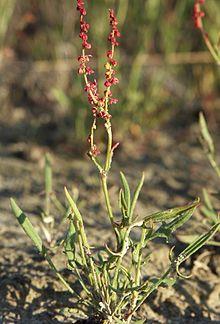
St. John’s Wort is recognized as an invasive weed in most parts of the United States. It gets its name from its uncanny ability to bloom on June 24, the birthday of St. John the Baptist. I choose to commemorate the day by harvesting the leaves and flowers on that day.
Plant Identification
St. John’s Wort is a herbaceous perennial with creeping rhizomes. The stems are erect growing to 40 inches tall. The stems branch in the upper section and produce narrow, yellow-green leaves that are less than 1 inch long. The leaves have tiny oil glands in the leaves that appeal like windows when the plant is held to the light.
Bright yellow flowers, measuring 1 inch across, appear in broad cymes on the upper branches from late spring to mid-summer.
The flowers have five petals with pointed sepals. The sepals have noticeable black dots. The stamens are grouped into three bundles. The seed pods produce a reddish or purple liquid when crushed.
The plant is widespread in the US now, and I can usually find it in the spring and summer, growing in pastures, on the river banks, and along the railroad tracks. It likes dry soil and sunny locations.
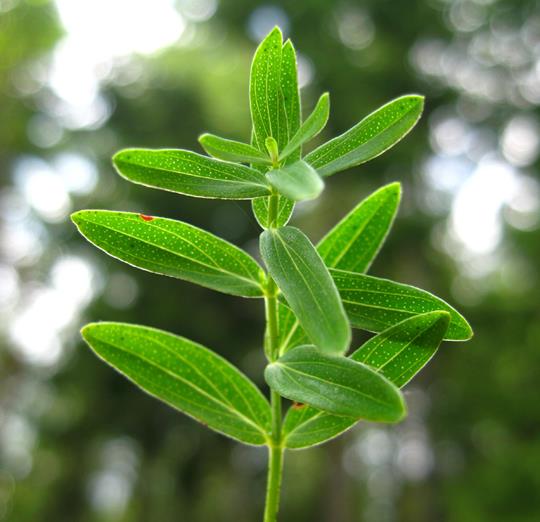
Medicinal Use
Nerve Stimulant
St Johns Wort is a nerve stimulant useful for treating depression, restlessness, anxiety, and insomnia without adverse effects. It should not be taken by patients with bipolar disorder since it seems to increase the risk of mania. I prescribe the tincture taken daily for 2 months or more or the tea may be used three times daily.
Menopause and Menstrual Cramping
St Johns Wort reduces the symptoms of hormonal imbalances in menopause including depression and fatigue. It helps balance the hormones and stimulates the organs, increasing the tone of the uterus. It is also beneficial for relieving cramping, bloating, and the symptoms of PMS. I recommend drinking a cup of tea three times daily before and during the menstrual bleeding and when menopausal symptoms are troublesome.
Reduces the Physical Symptoms of Opiate Withdrawal
I have used St John’s Wort to alleviate the symptoms of mild opiate withdrawal. It calms the nervous system and alleviates the physical symptoms of withdrawal from opiate-based drugs. For drug withdrawal I recommend internal use of St John’s Wort Tincture.
Cuts, Bruises, Burns, and Other Injuries
Extracted St John’s Oil is an excellent antiseptic and anti-viral and contains tannins that facilitate healing. I apply it topically to heal burns, injuries, wounds, and infections. I use extracted oil that has been diluted 1 part oil to 9 parts olive oil or other carrier oil as a salve.
Neuralgia
Nerve pain and neuralgia benefit from topically applied oil. I use it for sharp and convulsive trigeminal neuralgia and sciatica and shingles. I usually recommend tea to calm the nerves and the oil applied over the affected areas. Take 1 cup of tea one to two times daily or take the St John’s Wort tincture three to four times daily.
Muscle Pains
For back pain, muscle pain, and general body aches, I recommend the use of the Oil of St John’s wort. It is useful taken internally and when massaged into the muscles.
Peptic Ulcers, Gastric Problems
St John’s Wort attacks ulcers and gastric problems by calming the digestive organs and by attacking the bacteria and viruses that cause the problems. It is effective against infective digestive problems such as gastroenteritis, dysentery, and diarrhea. I use the diluted oil in divided doses, three times daily.
Hemorrhoids
The oil of St John’s Wort is almost a miracle cure for hemorrhoids. It effectively reduces the inflammation, relieves the pain, and speeds the healing process. Use my recipe for St John’s Wort Extracted Oil and apply topical to the affected area.
Lowers Blood Pressure
The healing properties of St John’s wort help lower the blood pressure and restore the flexibility of capillaries. Take 1 cup of tea one to two times daily, preferably in the morning and late afternoon or use St John’s Wort tincture 3 to 4 times daily.
Removes Fluids and Toxins from the Body
The diuretic properties of St John’s wort help to remove the fluids from the body and flush away toxins through urination. Take 1 cup of tea one to two times daily, preferably in the morning and afternoon.
Bedwetting in Childhood
Children with bedwetting problems can be helped by giving 5 to 10 drops of St John’s wort tincture in the late afternoon. Flushing the excess fluids out of the system before beds help prevent the buildup of fluids in the bladder during the night and helps the child to learn better bladder control.
Arthritis, Rheumatism, and Gout
Painful joints are relieved by taking two to three cups of the tea daily or use St John’s Wort tincture. It reduces inflammation and pain, relieving the symptoms of these joint diseases. For best results, I recommend daily consumption of St John’s wort. The benefits increase over time as the inflamed joints heal.
Chest Colds, Congestion, and Respiratory Disease
In addition to its anti-inflammatory and anti-microbial benefits of St John’s wort, it is also an effective expectorant that helps clear chest congestion and phlegm. It speeds healing of infections and common coughs and colds. I have also used it against influenza and tuberculosis. Either the tea or the oil can be used for respiratory problems.
Recipes
St John’s Wort Tincture
Ingredients: St John’s wort flowers and leaves, 80 proof grain alcohol or vodka, a clean jar with a tight-fitting lid
1. Loosely pack the flowers and leaves into the jar, filling it to the top.
2. Add the alcohol to the jar, covering the flowers and leaves. Cap the jar tightly and leave it to steep in a cool, dark place.
3. Add more alcohol as needed to replace evaporation. Shake the jar daily and allow it to steep for 4 to 6 weeks.
4. Strain the herbs out. Cap the jar and keep it in a cool, dark cupboard.
5. Take the tincture for a prolonged period as needed to cure chronic conditions. Adults, use 20 to 30 drops, 3 to 5 times daily. For children, use 5 to 10 drops.
St John’s Wort Tea
1 teaspoon of dried St John’s Wort and 1 cup of boiling water
Pour the boiling water over the herbs and steep for 10 minutes. Strain out the herbs and add honey, sugar or lemon as desired. The tea is bitter, and I find that the addition of honey and lemon reduces the objectional bitterness. Take 1 cup of tea one to two times daily.
St John’s Wort Extracted Oil
Two ounces of St John’s wort flowers and 2 cups olive oil
1. Mix the herbs and olive oil and place them over very low heat. Steep the oil and herbs for 2 to 3 hours, keeping the oil at a low simmer.
2. Strain the oil and remove the herbs.
3. Store your infused oil in a cool, dark cupboard.
St John’s wort oil works well on its own, however, it can be even more healing when mixed with other herbs. For healing burns, relieving muscle or joint inflammations, and nerve pains, add lavender oil or yarrow oil. The oil will keep longer if you add 5 percent lavender oil to the mixture.
Household Remedies
Activated Charcoal
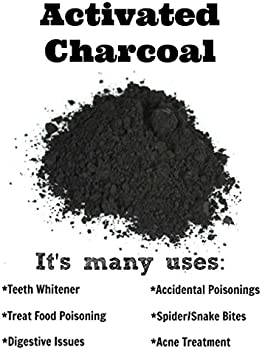
Activated charcoal is an effective way to remove toxins and poisons from the body. It reduces bloating, and gas traps toxins and acts as an antidote to some poisons.
Bleach

Bleach is a good disinfectant for most household surfaces. It kills most bacteria, viruses, and fungus. I use it to sanitize surfaces in treatment areas, disinfect laundry, decontaminate blood spills, and disinfect equipment. In addition, it has medicinal uses for treating skin.
Boric Acid
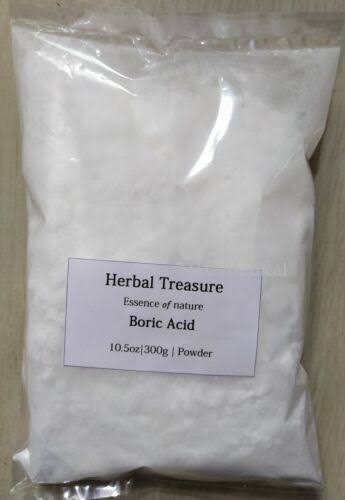
I use boric acid for a number of different purposes. It is especially effective for treating fungal infections of all kinds. Boric acid is not the same as borax. For medicinal use, always use therapeutic grade or pharmaceutical grade boric acid.
Cayenne Pepper
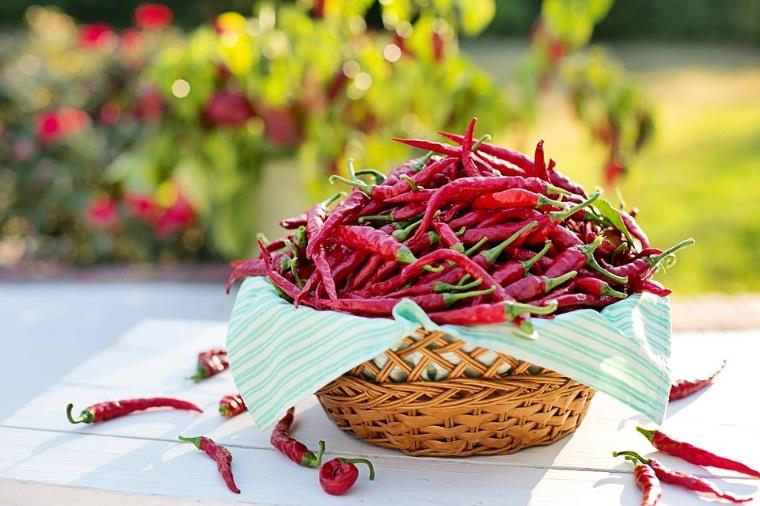
Cayenne is used sparingly as a seasoning agent because of its spicy heat. It is a spice found in most home spice cabinets but has significant medical benefits.
Epsom Salts
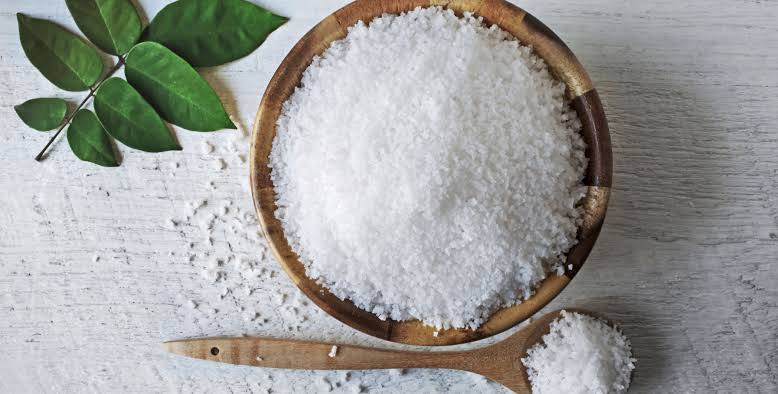
Epsom salts is a crystalline mineral salt with the chemical formula MgSO4. When mixed with water, the salt breaks down into magnesium, sulfur, and oxygen. All of these are beneficial for the body and can be absorbed through the skin, one of the reasons that Epsom salt baths and foot soaks are so popular. It is also a powerful anti-inflammatory used to treat muscle soreness and skin inflammations.
Listerine
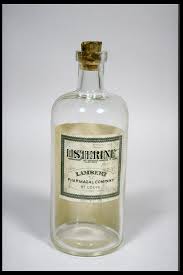
Listerine is a combination of alcohol and essential oils that are good for killing bacteria and fungus on the body. In addition to sanitizing the mouth and sweetening the breath, it is useful for killing bacteria and fungus in wounds and on the skin.
Potassium Permanganate
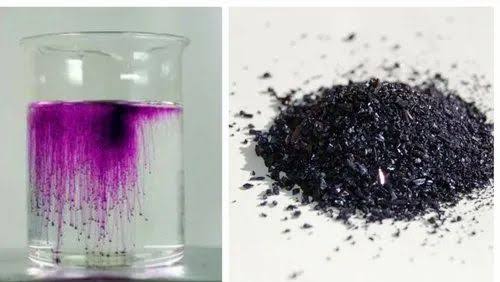
Potassium permanganate is a chemical compound with medicinal use for the cleaning of wounds, treating skin conditions, and disinfecting water. It is a strong oxidizer, capable of starting fires when in contact with oxidizable materials.
Diatomaceous Earth
Diatomaceous earth (DE) is composed of fossils formed by tiny algae-like organisms called diatoms. It is a slightly abrasive powder that is safe for consumption by humans and animals. It has health and medicinal benefits to the body. Be sure that your DE is marked as food-grade. Non-food grade DE is not safe for human consumption.
How to Take Diatomaceous Earth
Mix one teaspoon full of diatomaceous earth in a glass of water.
Drink it one hour before eating or two hours after eating. Repeat this dose for 10 days, then wait another 10 days before repeating the cycle. Do this for 5 full cycles of 10 days on and 10 days off.
Diatomaceous earth can also remove medications from the body, so check with your doctor before use, if you are taking medications.
Diatomaceous Earth Detoxifies the Body
Diatomaceous earth is negatively charged which allows it to attract positively charged toxins and heavy metals from the body and flush them from the body.
Kills Parasites
Diatomaceous earth naturally kills parasites and viruses in the digestive tract. By using the 10 days on and 10 days off schedule, it kills parasites in all stages of the reproductive cycle, ending the infestation.
Improves Joint and Bone Health
DE is a natural source of silica and other trace minerals required by the body. Silica is essential for healthy joints, ligaments, and bones.
Encourages Heart Health
Diatomaceous Earth helps lower cholesterol and blood pressure which encourages a healthy heart and circulatory system.
Clean Teeth
DE is an abrasive that is safe to use as a toothpaste.
Other Uses
Diatomaceous earth has many uses around the home. One of its most valuable household and garden uses is in killing fleas, bedbugs, cockroaches, spiders and other insects. You only need to dust it in the areas where infestations exist. It is completely safe with kids and pets.
It is also valuable as an abrasive cleanser, an absorbent, deodorizer, and in water filtration.
Cautions
Diatomaceous earth is a fine abrasive powder. It can be harmful if inhaled or if it gets in the eyes. Wear proper protective clothing when using.
Recipes
DE Toothpaste
½ cup of diatomaceous earth
½ cup coconut oil
1 to 2 drops peppermint essential oil
Vegetable glycerin, as desired for texture
Mix together and use as toothpaste.
— End of The Lost Book of Herbal Remedies —
Share this content:
About the Author